

Electric Liquid & Process Fluid Heaters
Introduction
Xiangyuan designs and manufactures electric liquid and process fluid heaters for thermal oil, water, hydraulic oil, crude oil, heavy oil, wastewater, chemical liquids, and marine fluid systems.
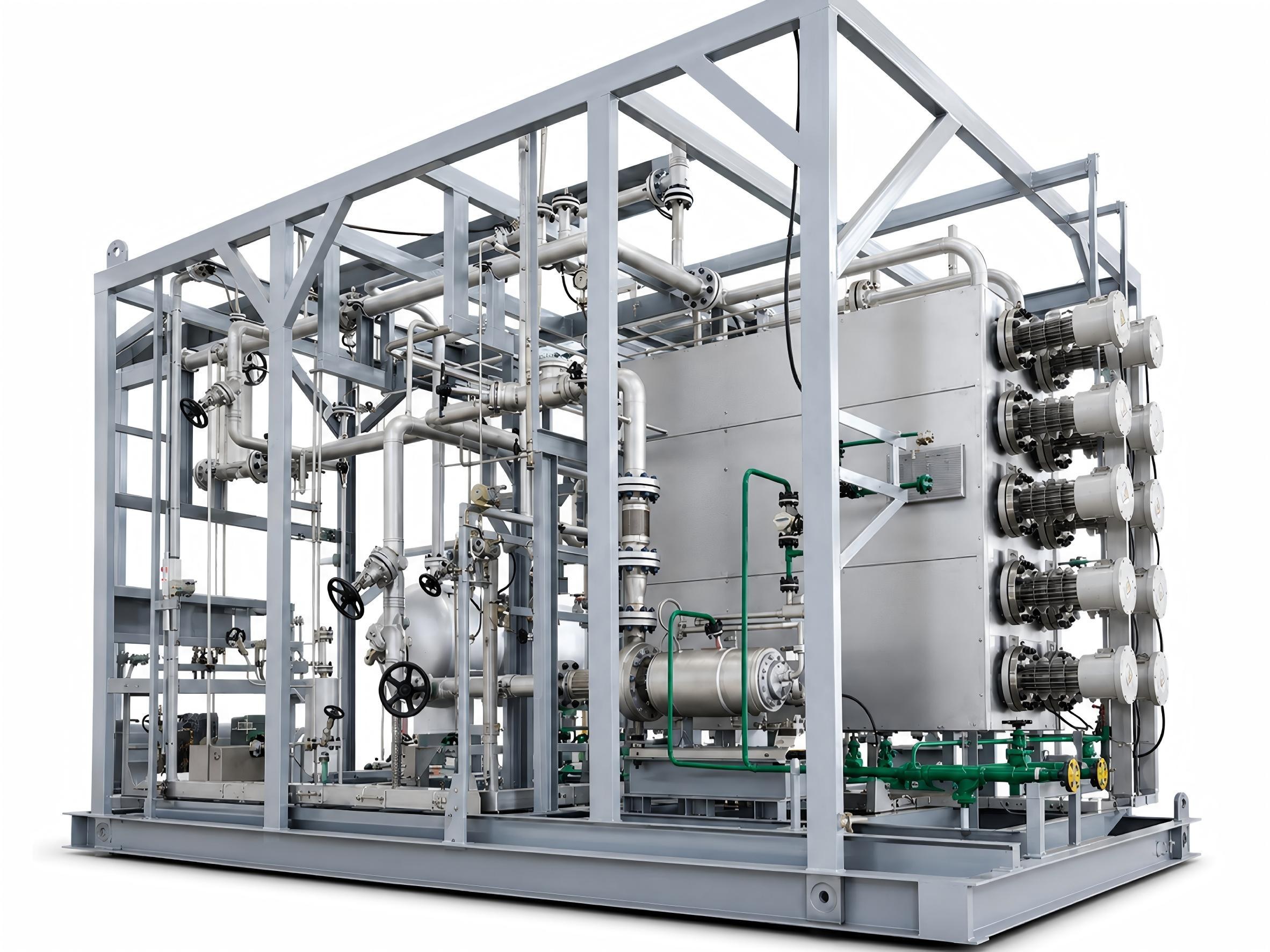
Our liquid heating products can be supplied as inline heaters, flanged immersion heaters, tank heaters, circulation heaters, skid-mounted heating units, or complete electric heating systems with integrated temperature control and safety protection.
Each heater can be customized according to fluid type, viscosity, flow rate, inlet and outlet temperature, operating pressure, material compatibility, installation layout, and control requirements.
Why Choose Our Electric Liquid & Process Fluid Heaters
✔ Custom-engineered for thermal oil, water, hydraulic oil, crude oil, heavy oil, wastewater, chemical liquids, and marine fluids
✔ Stable temperature control for continuous liquid and process fluid heating
✔ Inline, immersion, tank-mounted, circulation, vertical, horizontal, and skid-mounted configurations
✔ Material options for high-temperature, high-pressure, corrosive, and viscous fluid applications
✔ Integrated temperature control, sensors, pumps, control cabinets, and safety interlocks available
✔ Explosion-proof design available for hazardous-area liquid heating projects
✔ Custom heating power, voltage, flange, connection, and control logic according to project requirements
Typical Technical Parameters
The following parameters are for reference only. Final heater design can be customized according to fluid type, viscosity, flow rate, inlet and outlet temperature, pressure, installation method, material compatibility, and control requirements.
| Parameter | Typical Range / Options |
|---|---|
| Heating Medium | Thermal oil, hydraulic oil, water, process liquid, crude oil, heavy oil, wastewater, chemical liquid, marine fresh water, and marine lube oil |
| Heating Power | 2 kW - 2000 kW, customized according to process requirements |
| Outlet Temperature | 0°C - 350°C for general liquid heating; higher-temperature designs available for thermal oil systems |
| Operating Pressure | Atmospheric pressure to 1.0 - 2.5 MPa; higher-pressure designs available upon request |
| Heater Materials | Carbon steel, SS304, SS316L, SS310S, Incoloy 800/840, nickel-based alloys, or selected corrosion-resistant materials |
| Installation Type | Inline, flanged, immersion, tank-mounted, vertical, horizontal, circulation, or skid-mounted |
| Temperature Control | PID control, SCR/thyristor control, staged power control, or PLC control optional |
| Safety Protection | Over-temperature protection, low-level protection, low-flow protection, pressure monitoring, leakage protection, and system interlock |
| Explosion-Proof Option | Explosion-proof design available for hazardous-area liquid heating applications |
| Custom Design | Fluid viscosity, flow rate, pressure, temperature rise, material, voltage, and control logic can be customized |
Engineering, Safety & Documentation
Each liquid heater can be engineered according to actual fluid properties, viscosity, operating temperature, pressure, installation layout, control method, and safety requirements.
Fluid Compatibility Review
Heater materials, sealing structure, and heating element design can be selected according to fluid type, viscosity, corrosion level, and operating temperature.
Heating Element & Watt Density
Heating element surface load and layout can be designed to support stable heat transfer and reduce overheating risk for different liquids.
Flow, Pressure & Safety Protection
Flow rate, pressure drop, low-flow protection, over-temperature protection, and pressure monitoring can be reviewed according to process conditions.
Project Documentation
General arrangement drawings, wiring diagrams, inspection records, and operation guidance can be provided according to project requirements.
Typical Process Fluid Heating Applications
Xiangyuan electric liquid and process fluid heaters are used for thermal oil, water, hydraulic oil, crude oil, heavy oil, chemical liquid, wastewater, marine fluid, and other industrial fluid heating applications.
Thermal Oil Systems
Electric thermal oil heaters and heat transfer oil systems for reactors, dryers, circulation loops, and high-temperature process heating.
Inline Fluid Heating
Electric inline liquid heaters and circulation heaters for water, process fluids, hydraulic oil, thermal oil, and closed-loop pipeline systems.
Crude Oil & Heavy Oil Heating
Liquid heating systems for crude oil, heavy oil, fuel oil, viscosity reduction, oil transfer, pipeline heating, and storage heating.
Tank & Vessel Heating
Electric tank heaters and flanged immersion heaters for storage tanks, process vessels, water tanks, oil tanks, and chemical tanks.
Chemical Liquid Heating
Custom liquid heaters for chemical solutions, corrosive liquids, aggressive process fluids, acid and alkaline media, and compatible materials.
Wastewater Treatment
Electric wastewater heaters for industrial effluent systems, treatment liquids, sludge processes, temperature maintenance, and environmental applications.
Marine Fluid Heating
Marine electric heaters for fresh water, lube oil, fuel oil, offshore process fluids, compact installation, and shipboard heating systems.
Lubrication & Hydraulic Systems
Electric oil heaters for hydraulic stations, lubrication systems, industrial machinery, low-temperature startup, and oil viscosity control.
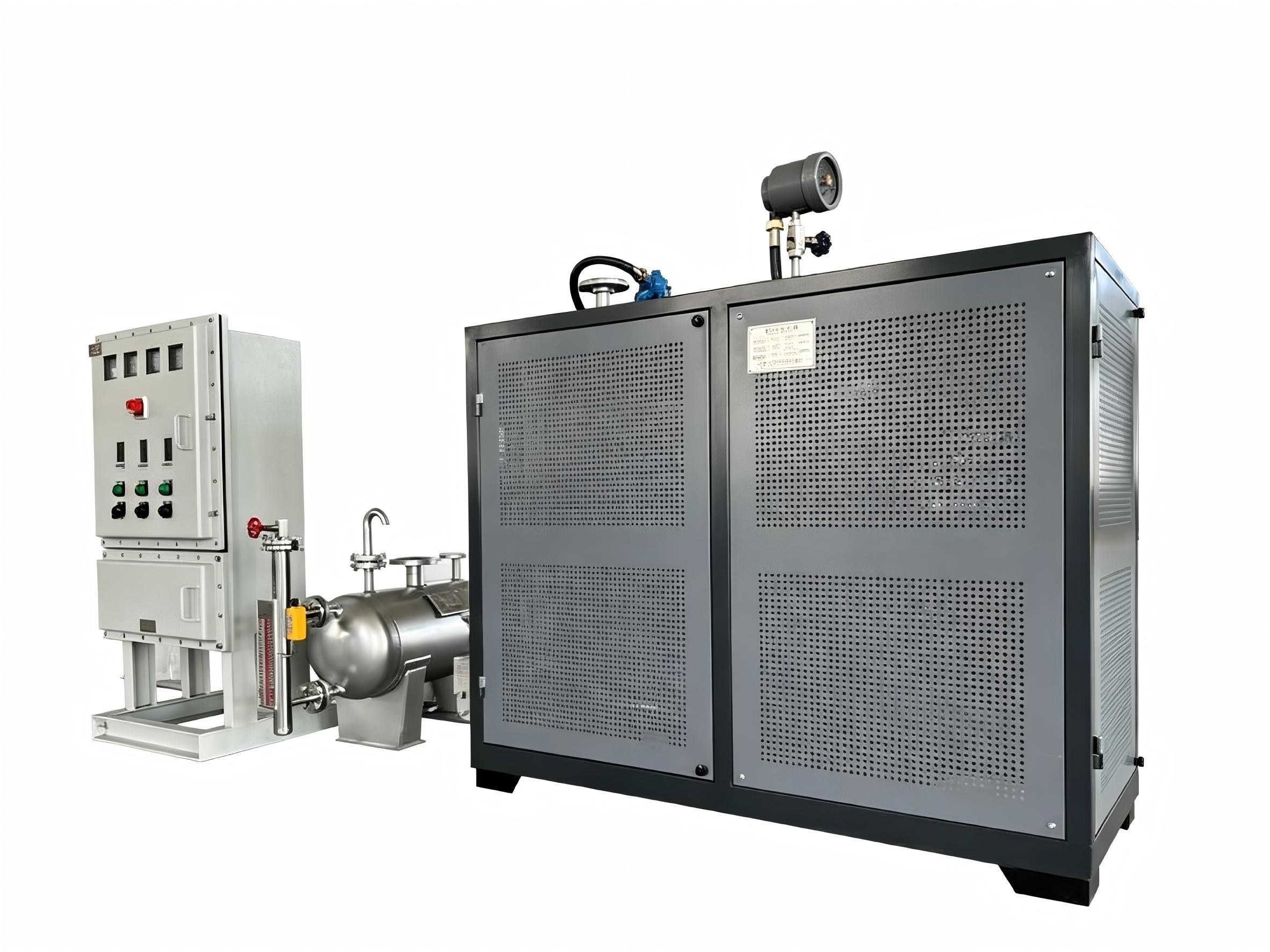
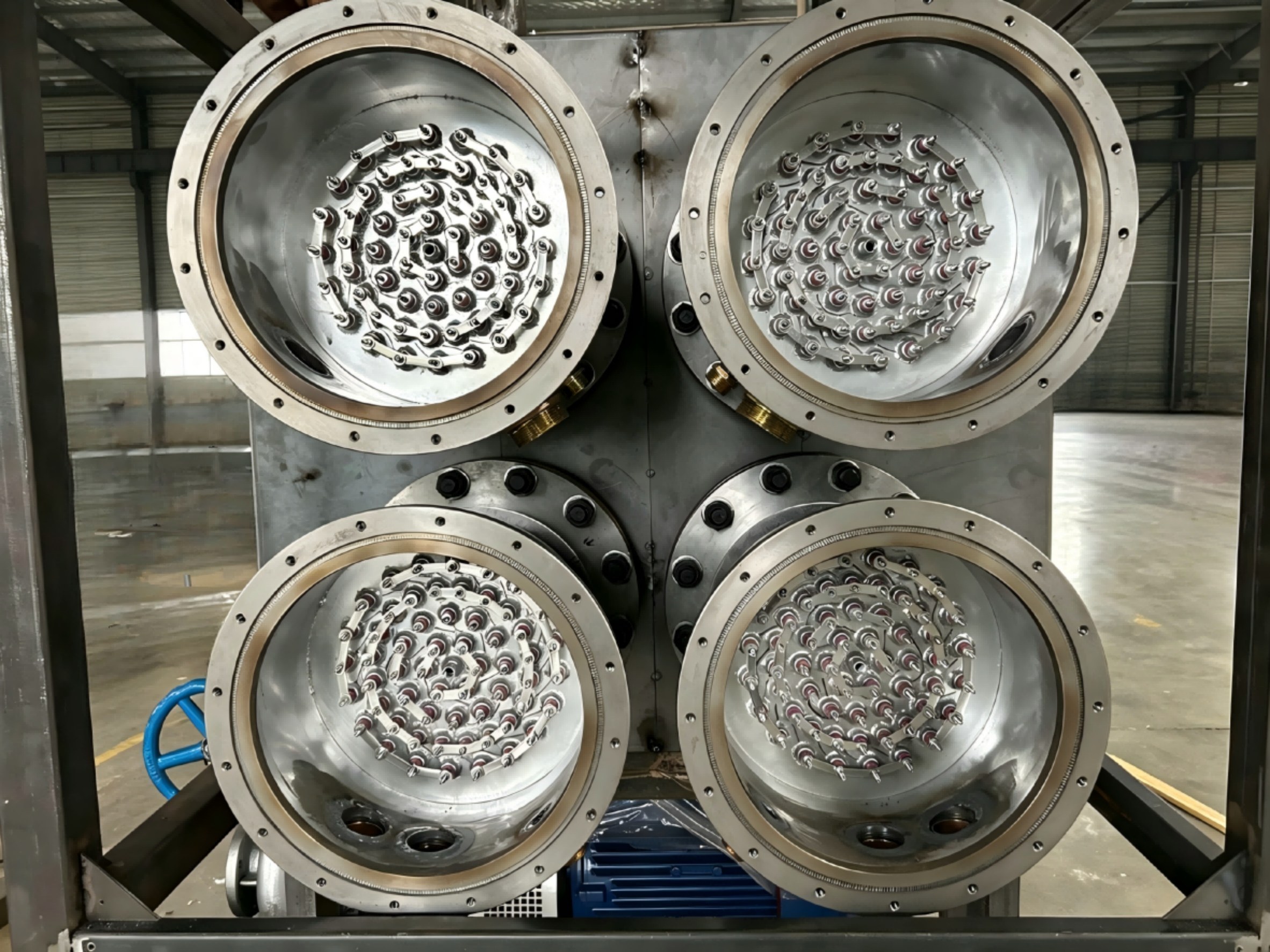
Electric Thermal Oil Heater
Description
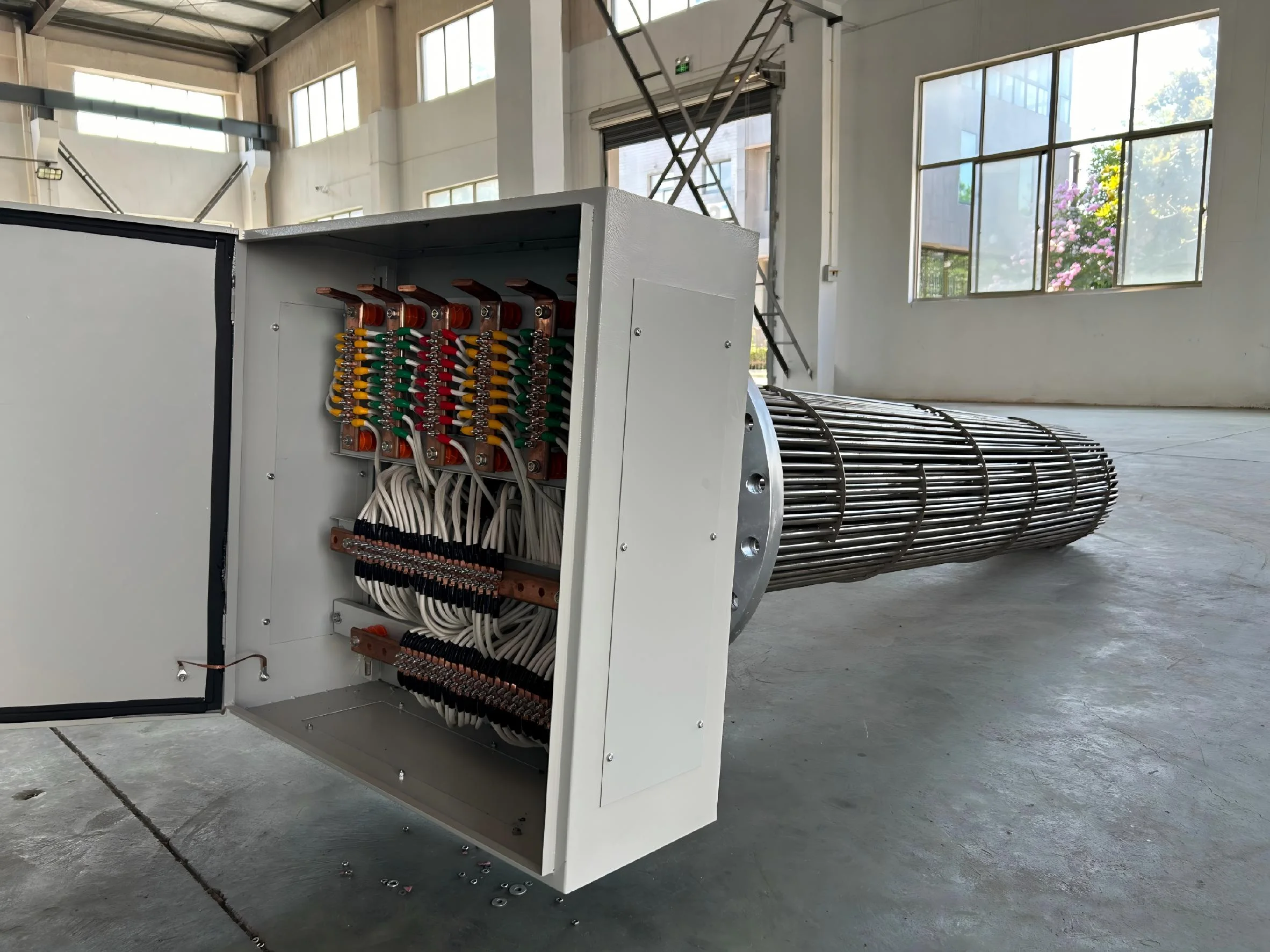
Designed for heating and circulating thermal oil in industrial process applications. Available as a standalone electric heater or a complete skid-mounted heating system with integrated controls, pumps, expansion tank, and thermal fluid circulation components.
Applications
Thermal oil heating systems, chemical processing, reactor heating, drying equipment, asphalt and bitumen heating, and high-temperature process heat transfer systems.
Typical Design Options
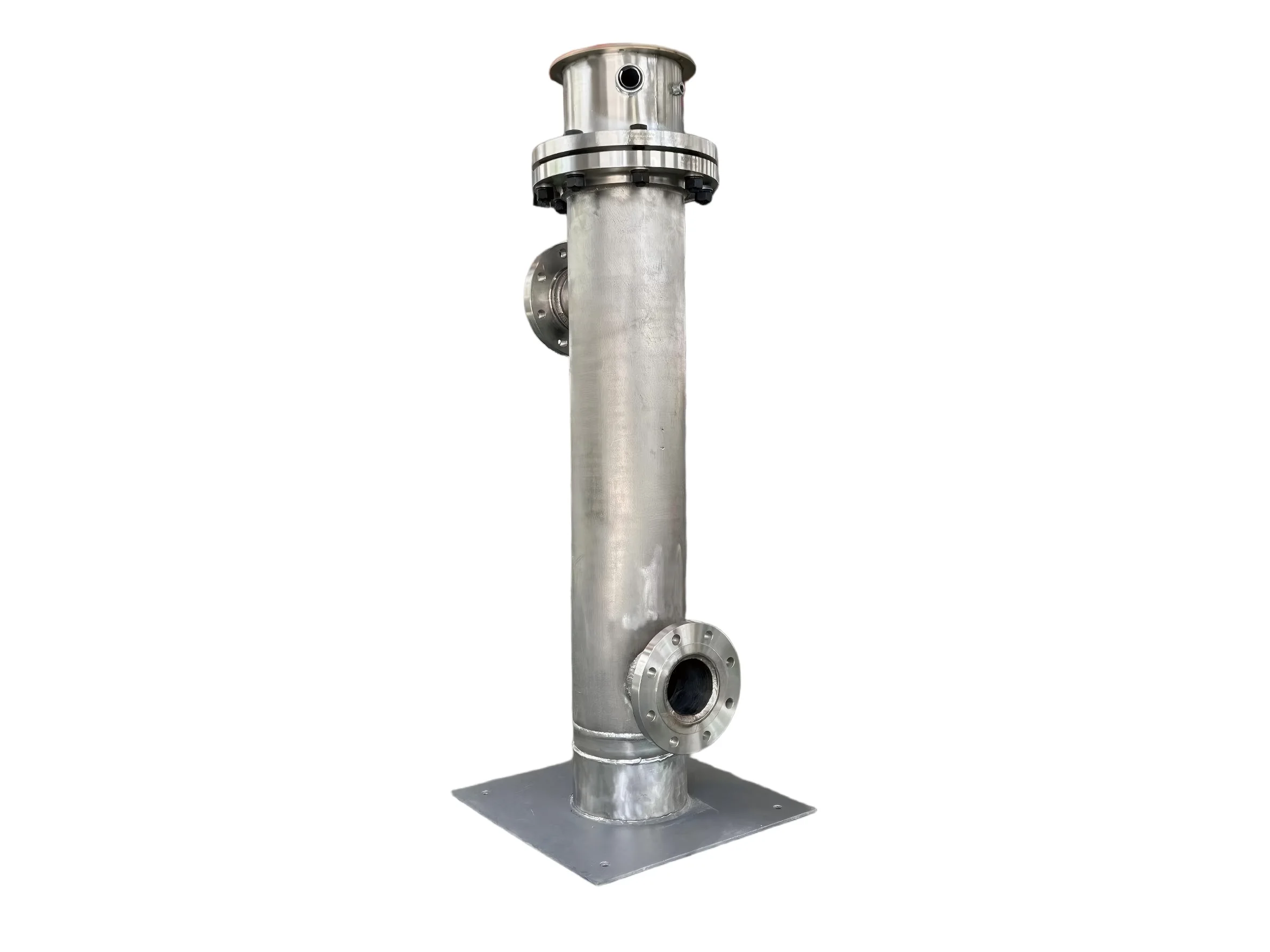
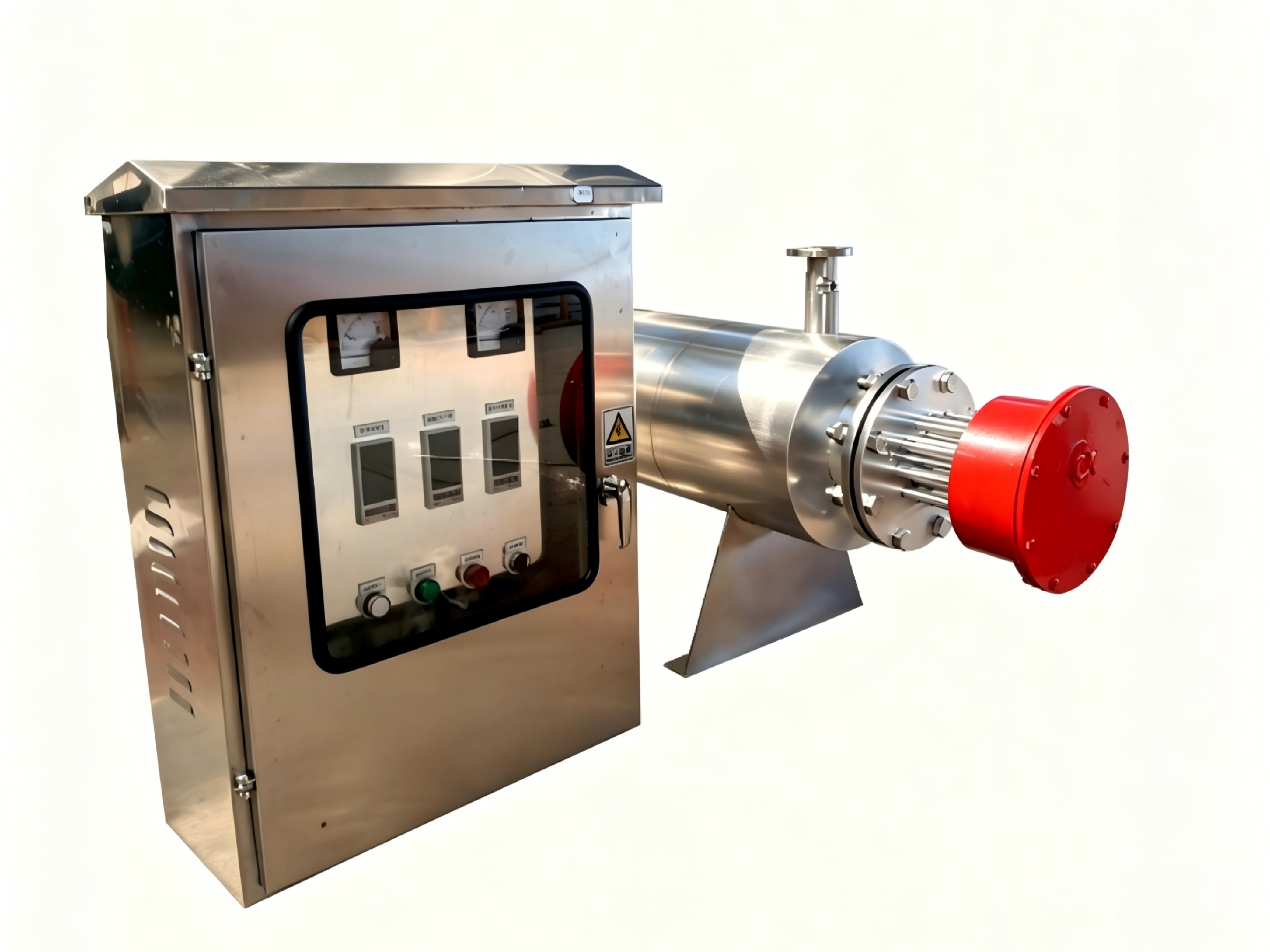
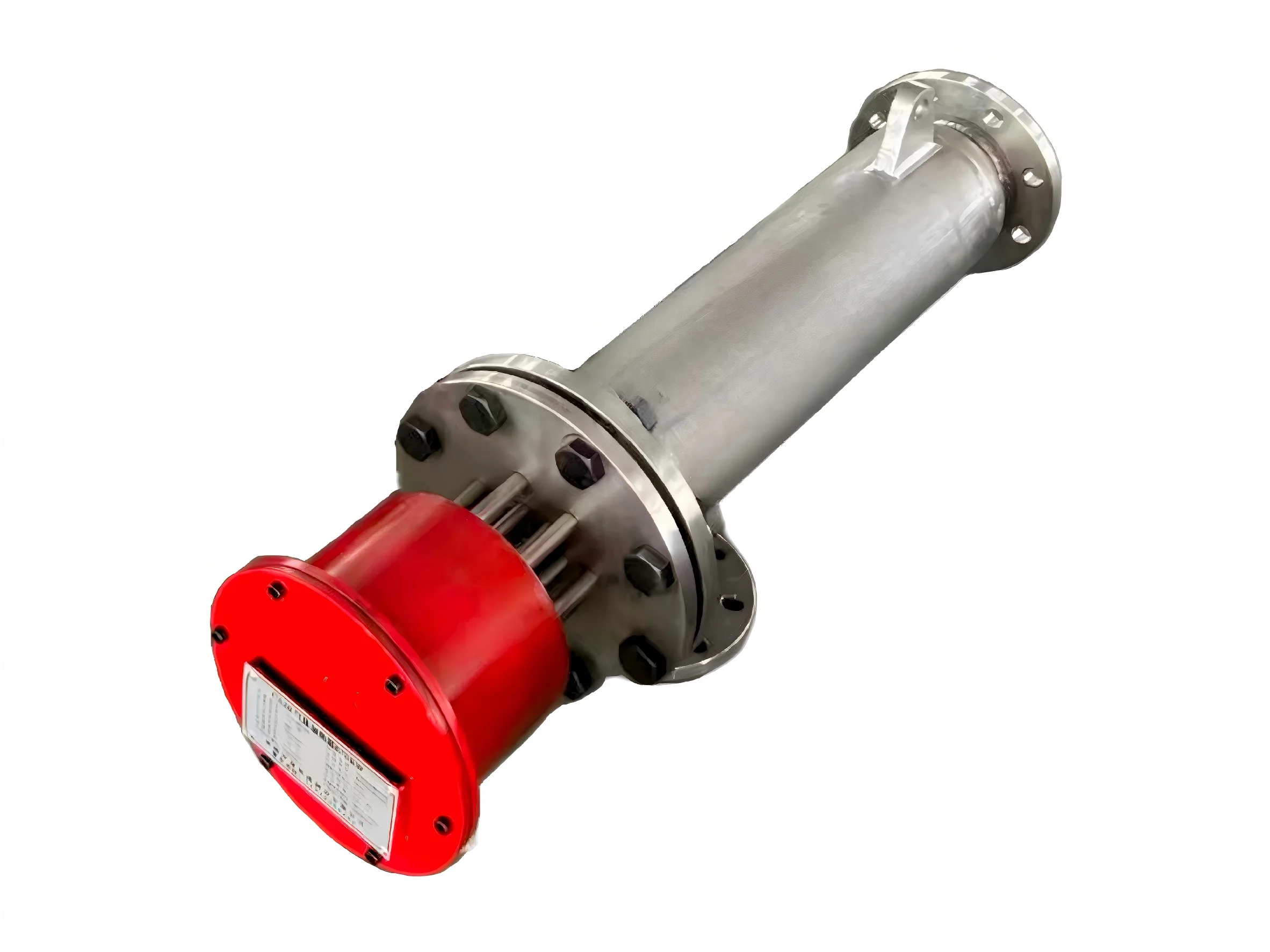
Electric Inline Process Liquid Heater
Description
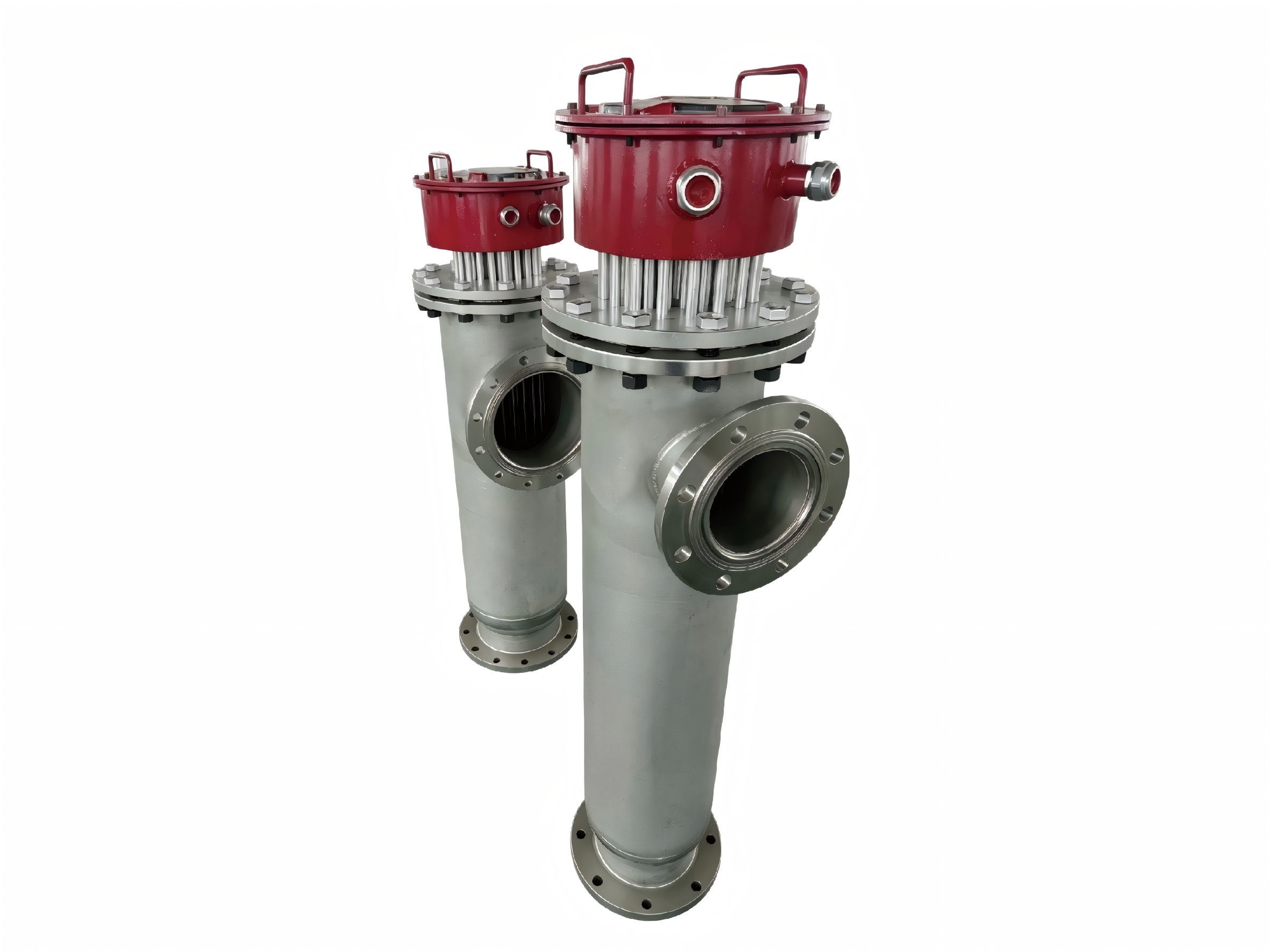
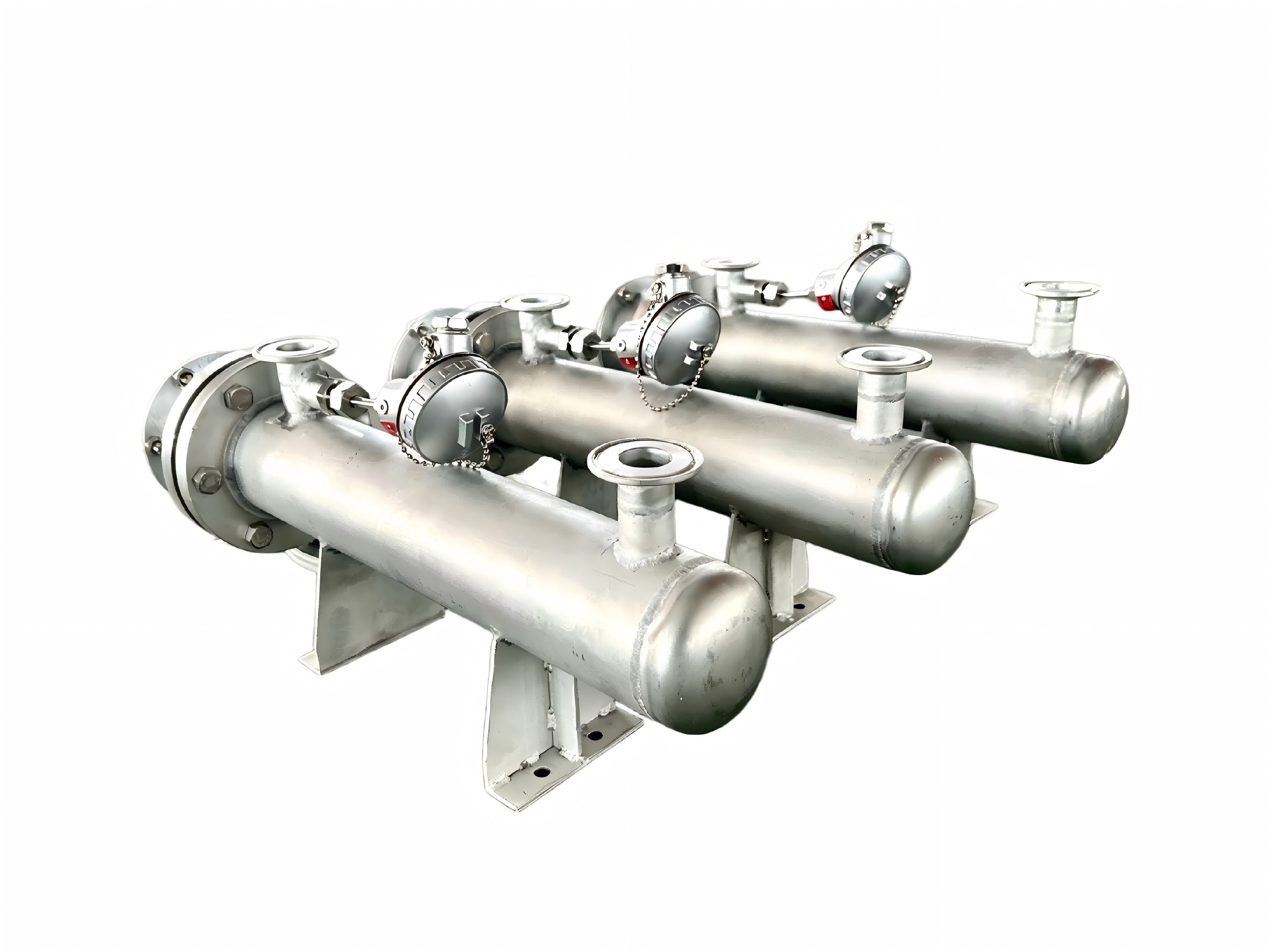
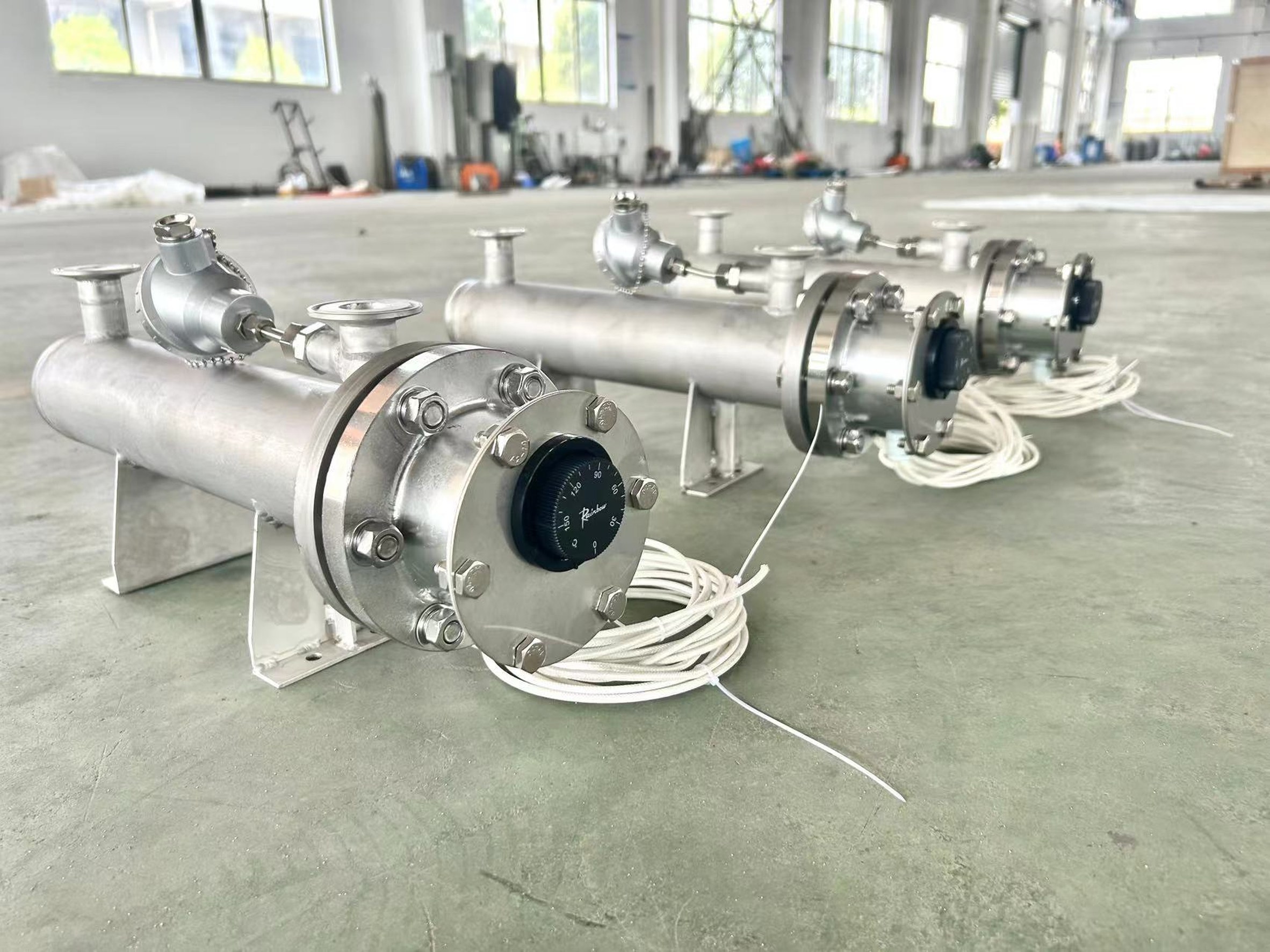
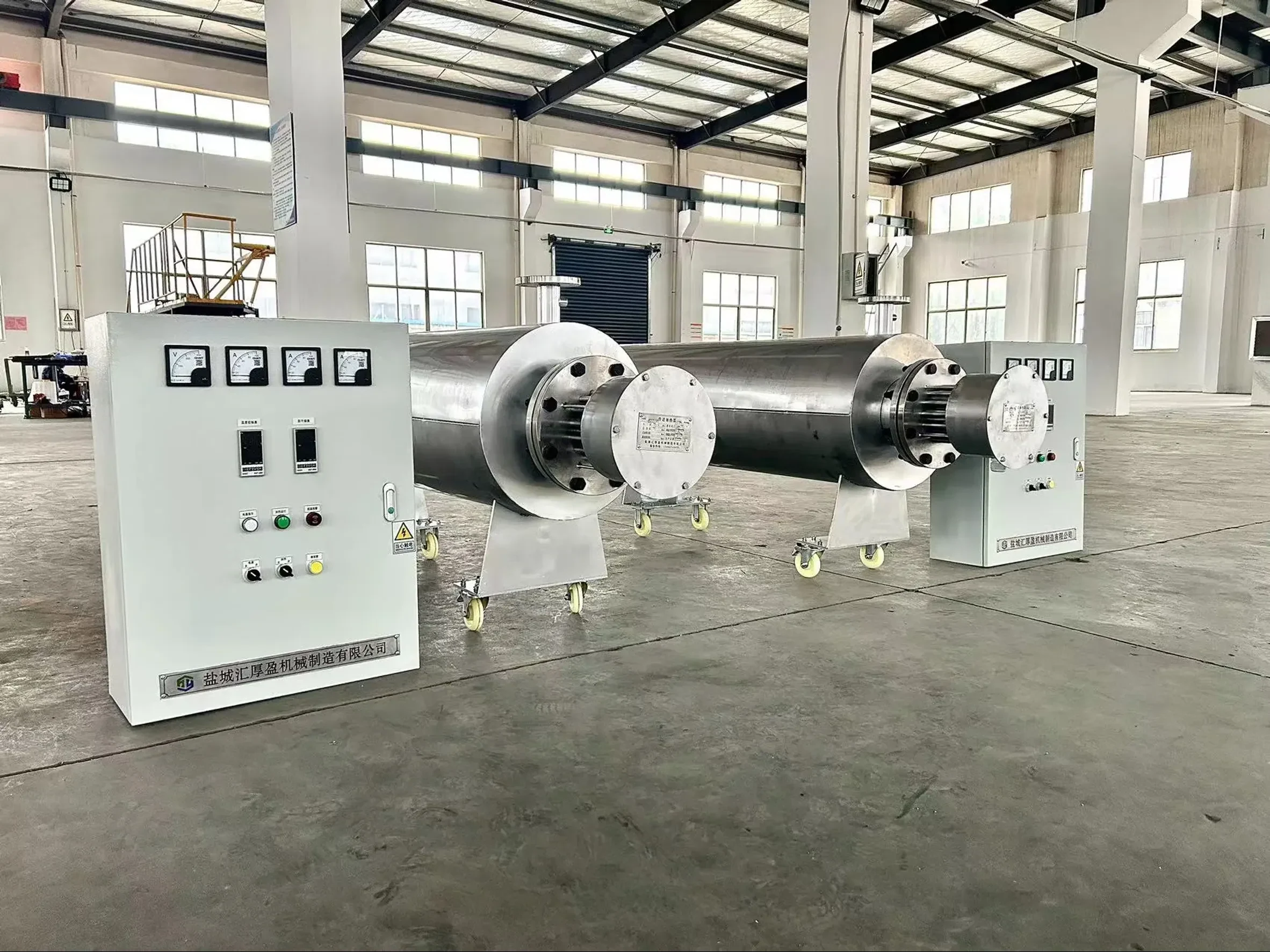
Designed for continuous inline heating of water, thermal oil, hydraulic oil, crude oil, heavy oil, chemical liquids, wastewater, and other process fluids in closed pipeline or circulation systems.
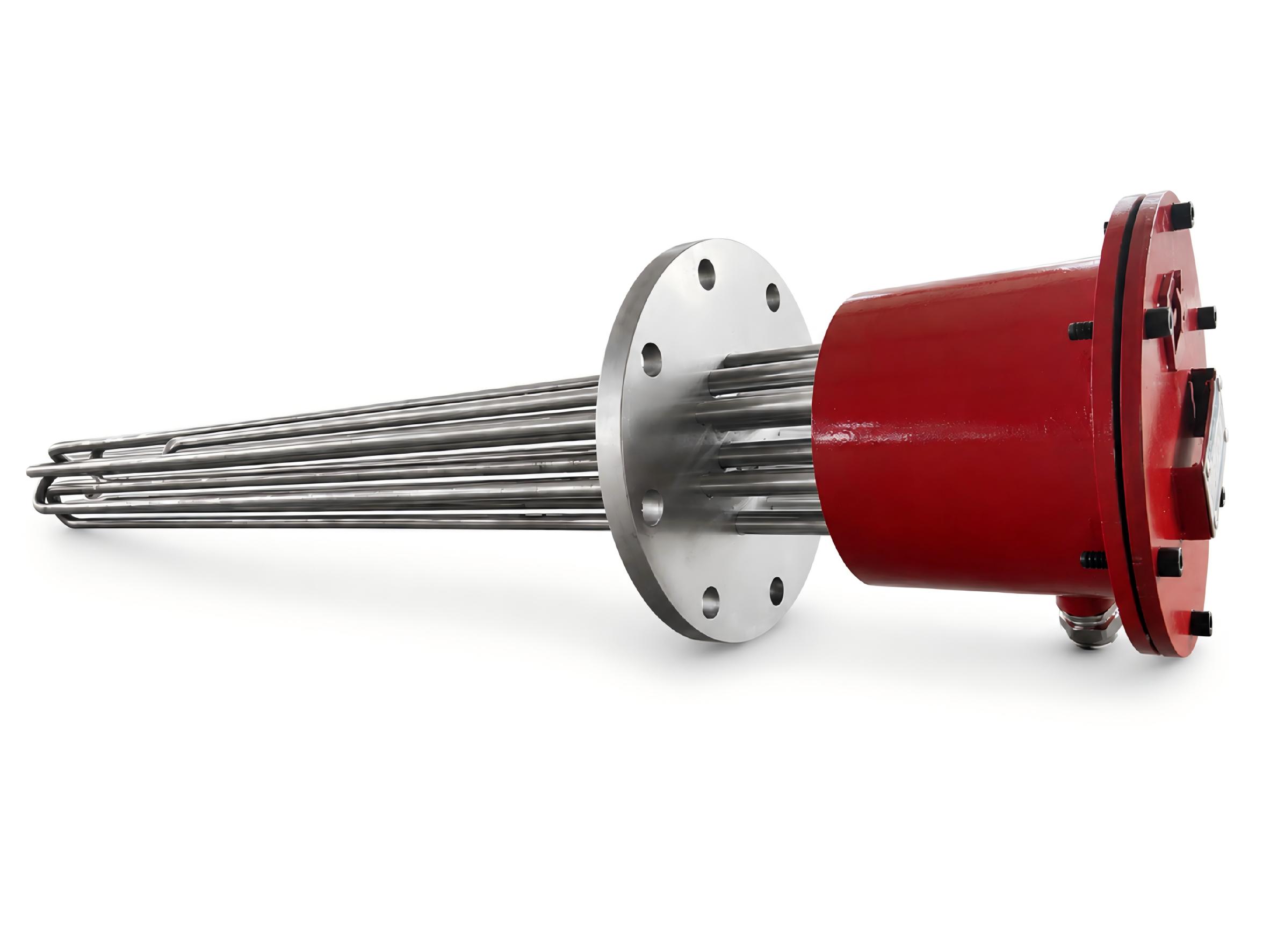
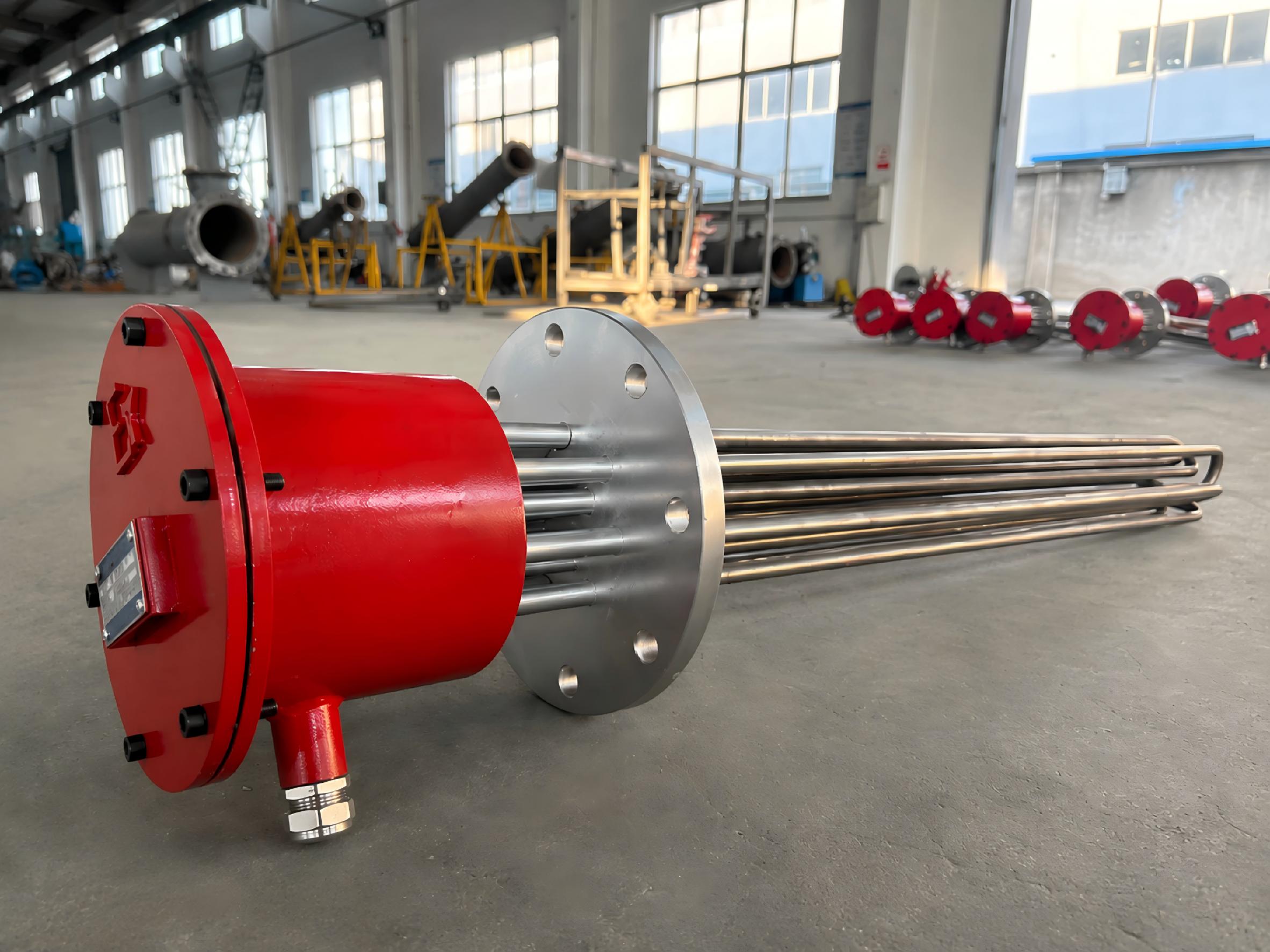
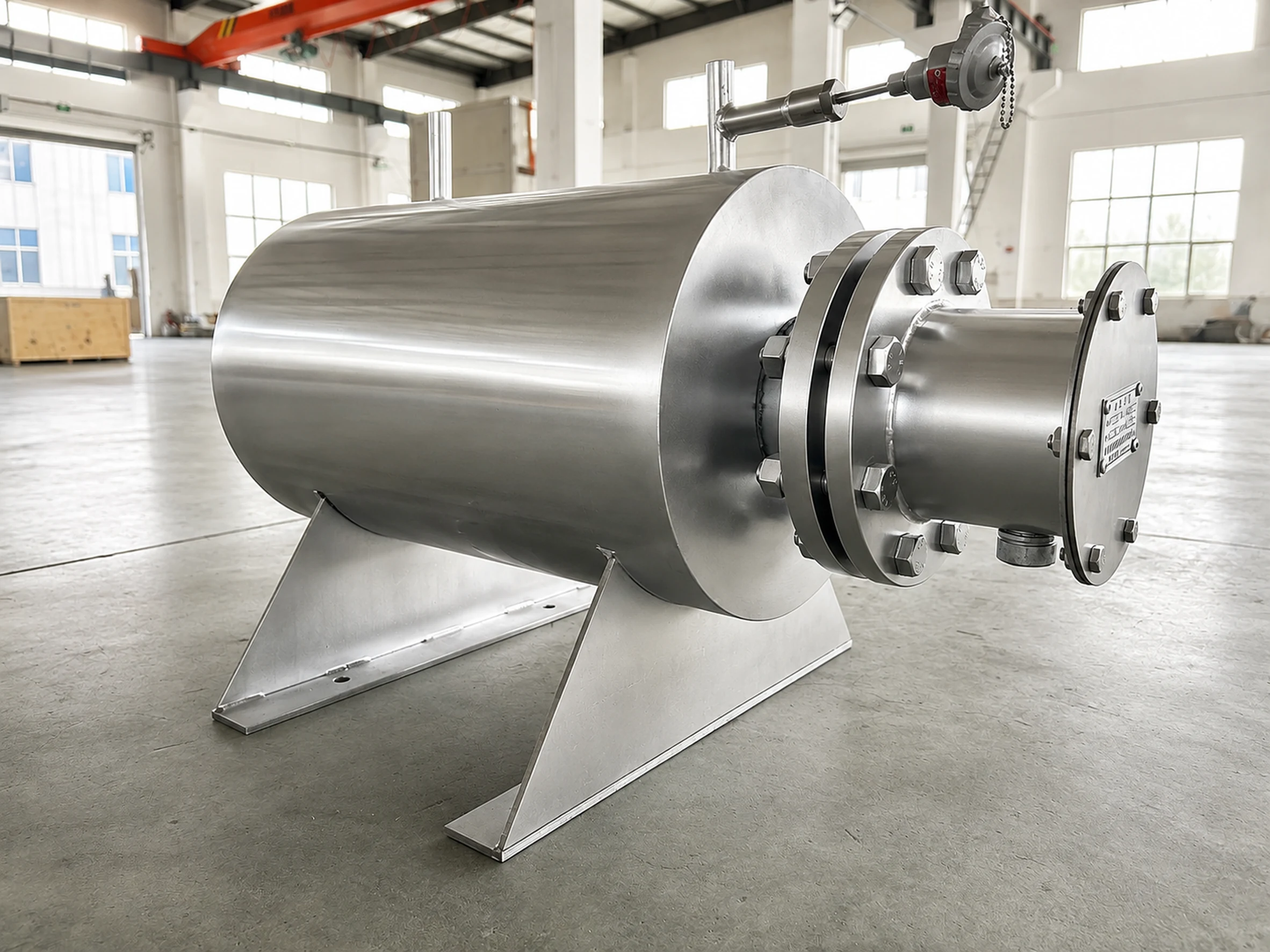
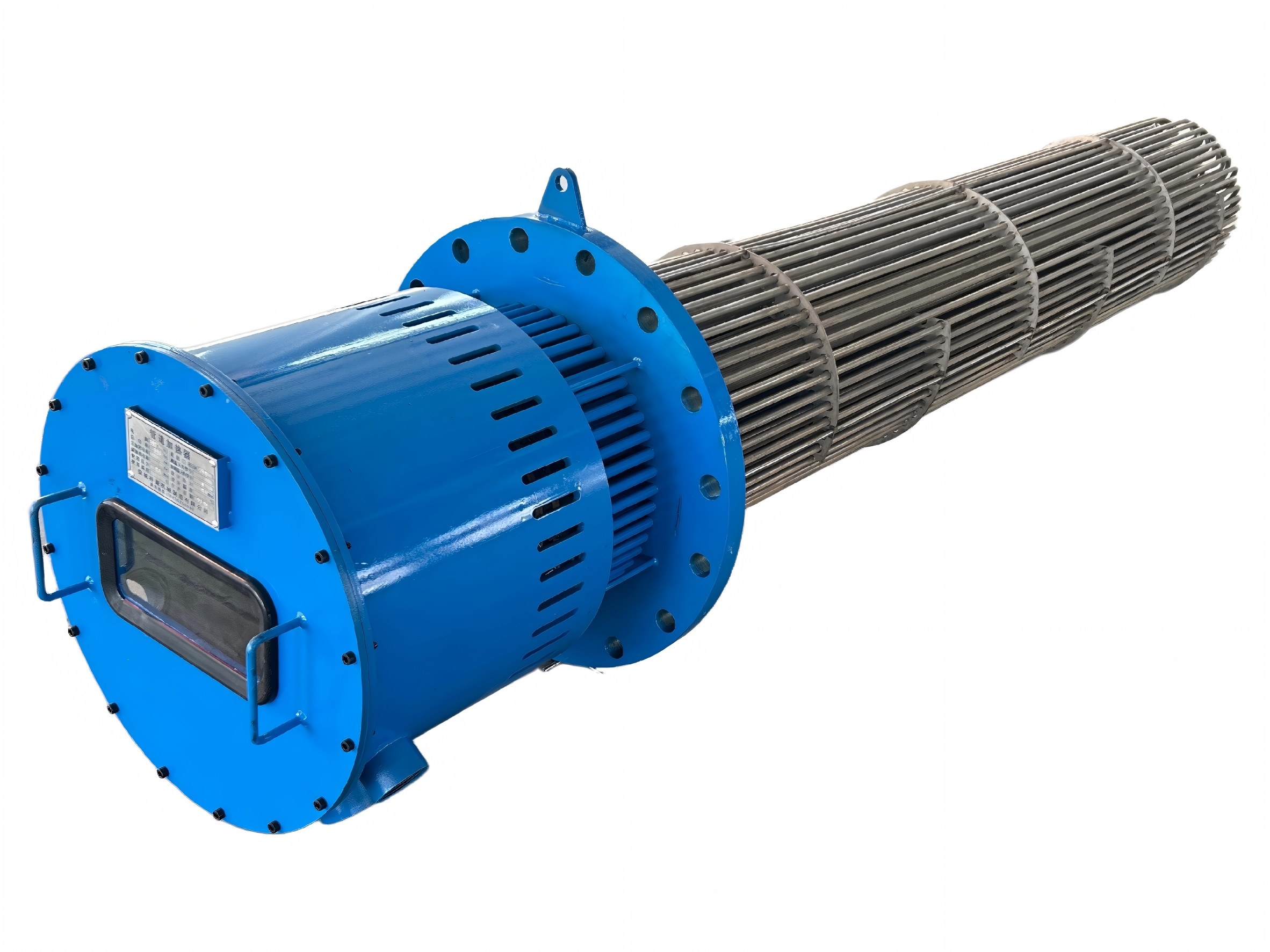
Also called an electric inline liquid heater or electric pipeline liquid heater, this unit is installed directly in the liquid pipeline or circulation loop to heat the fluid as it flows through the heating chamber.
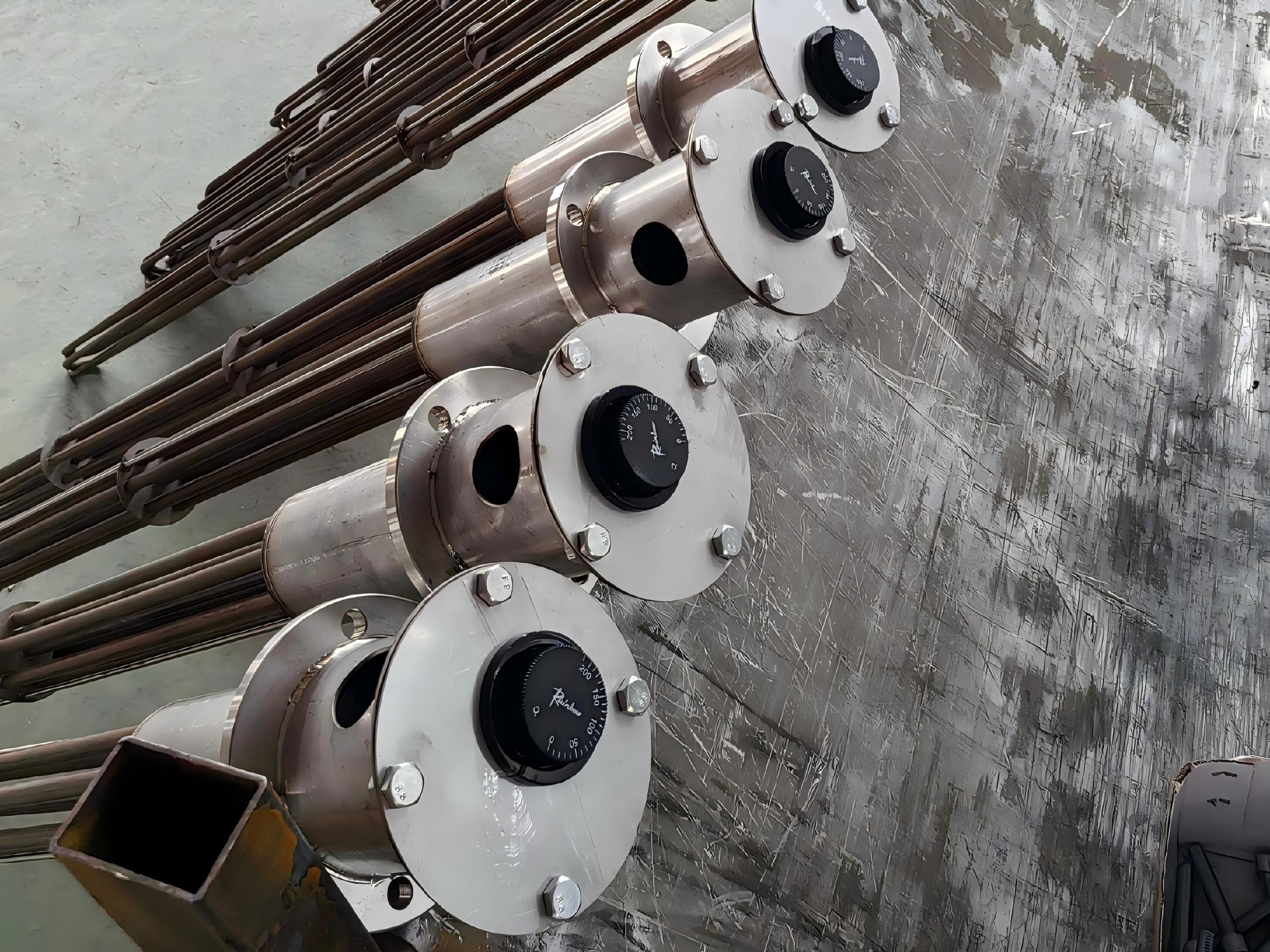
The heater can be customized with flanged connections, thermal insulation, temperature sensors, control cabinets, pressure monitoring, and material options according to fluid type, viscosity, flow rate, operating pressure, inlet and outlet temperature, and installation requirements.
Applications
Pipeline liquid heating, process fluid preheating, circulation heating, thermal oil heating, hydraulic oil heating, crude oil and heavy oil heating, chemical liquid heating, wastewater temperature maintenance, and industrial fluid process heating.
Typical Design Options
Electric Inline Water Heater
Description
Designed for continuous heating of process water, circulating water, and cleaning fluids in pipelines and industrial systems. Custom power, material, pressure, and temperature options are available.
Applications
Industrial process water heating, circulating water systems, cleaning and washing systems, production equipment, rinse-water heating, closed-loop water circulation, and utility water heating.
Typical Design Options
Electric Tank Heater
Description
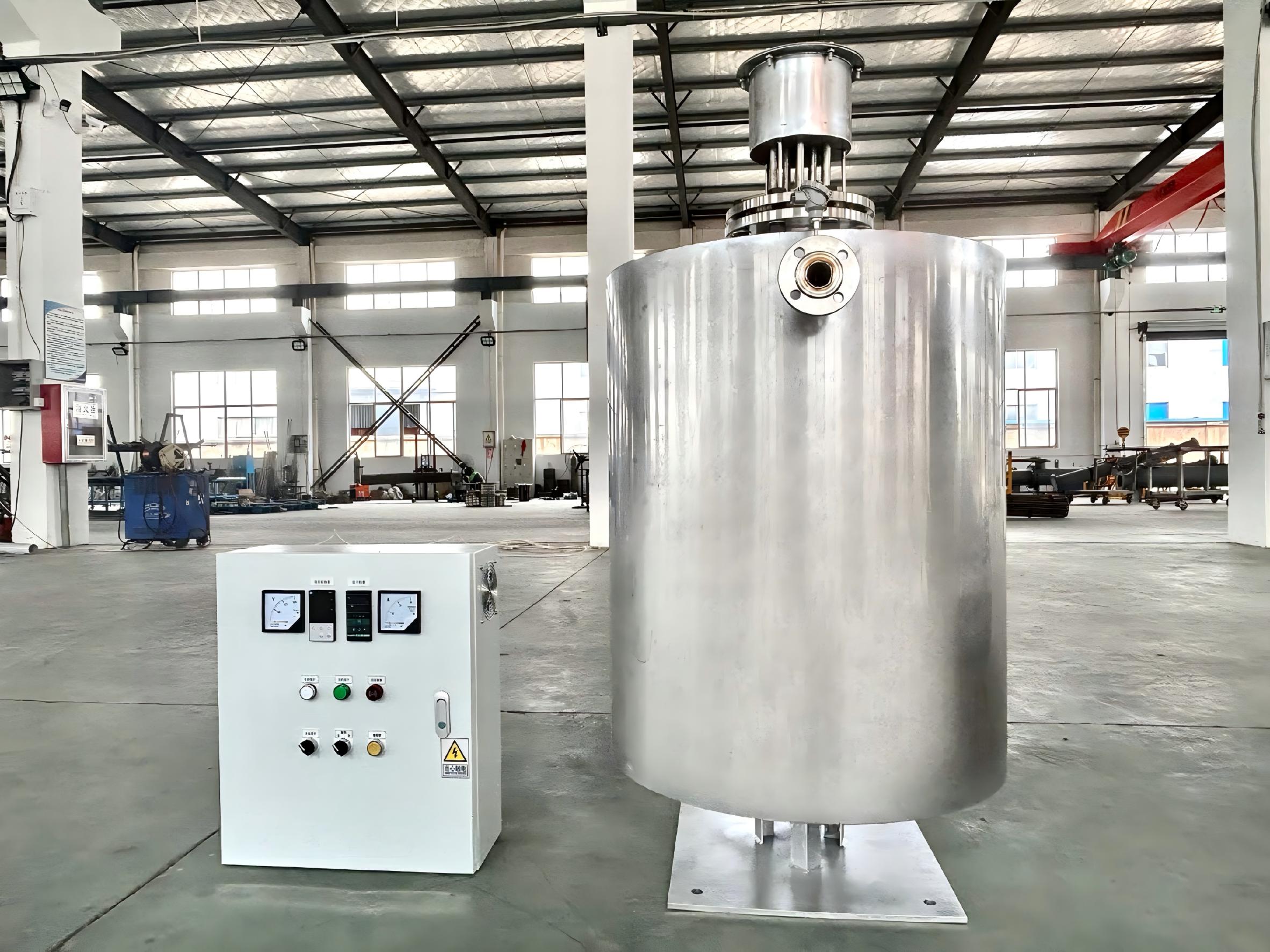
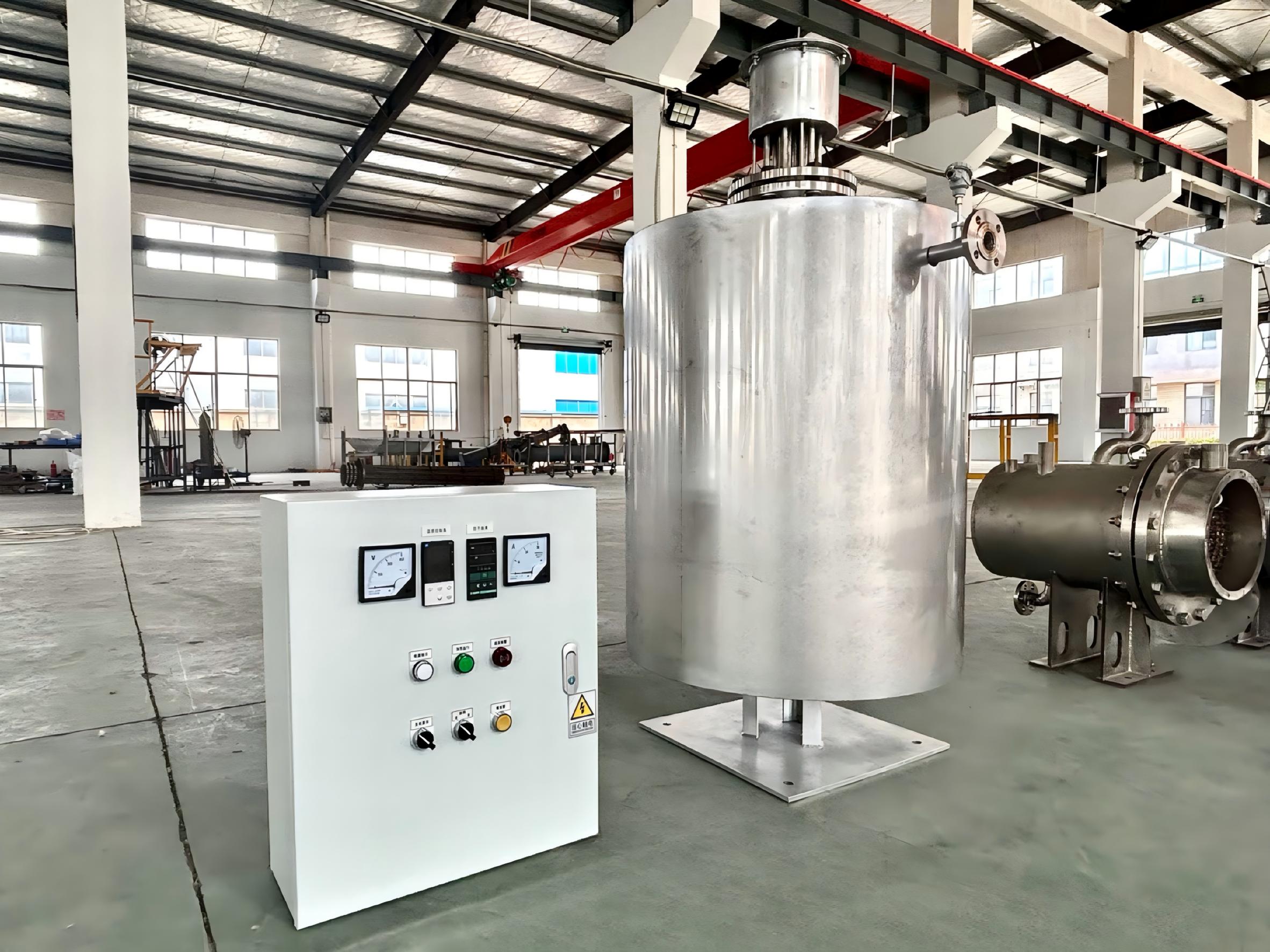
Designed for maintaining and controlling liquid temperatures in storage tanks, process vessels, and industrial containers. Tank heaters can be customized according to tank size, liquid properties, operating temperature, and installation method.
Applications
Storage tank heating, freeze protection, viscosity control, process liquid temperature maintenance, water tanks, oil tanks, and chemical storage vessels.
Typical Design Options
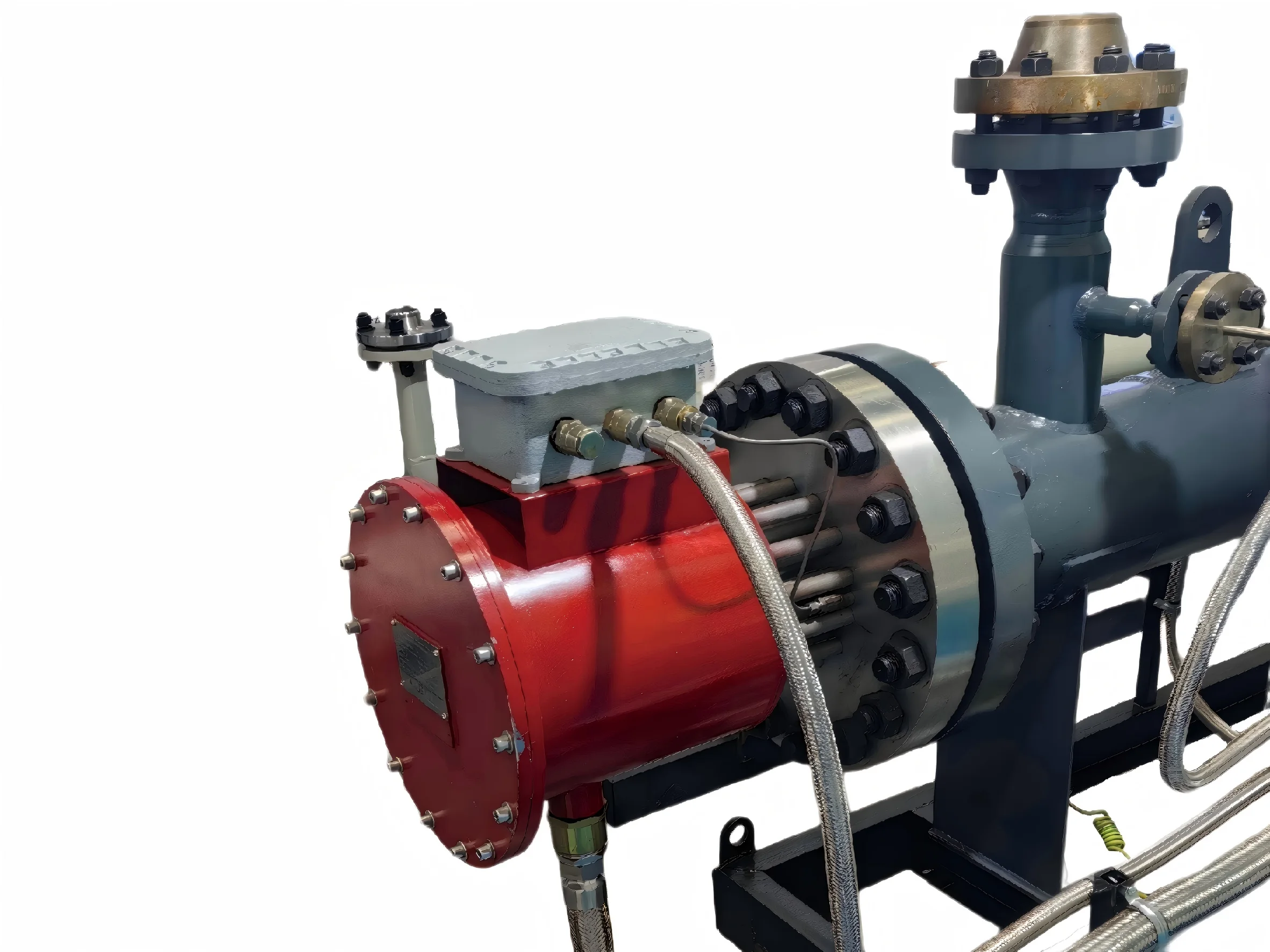
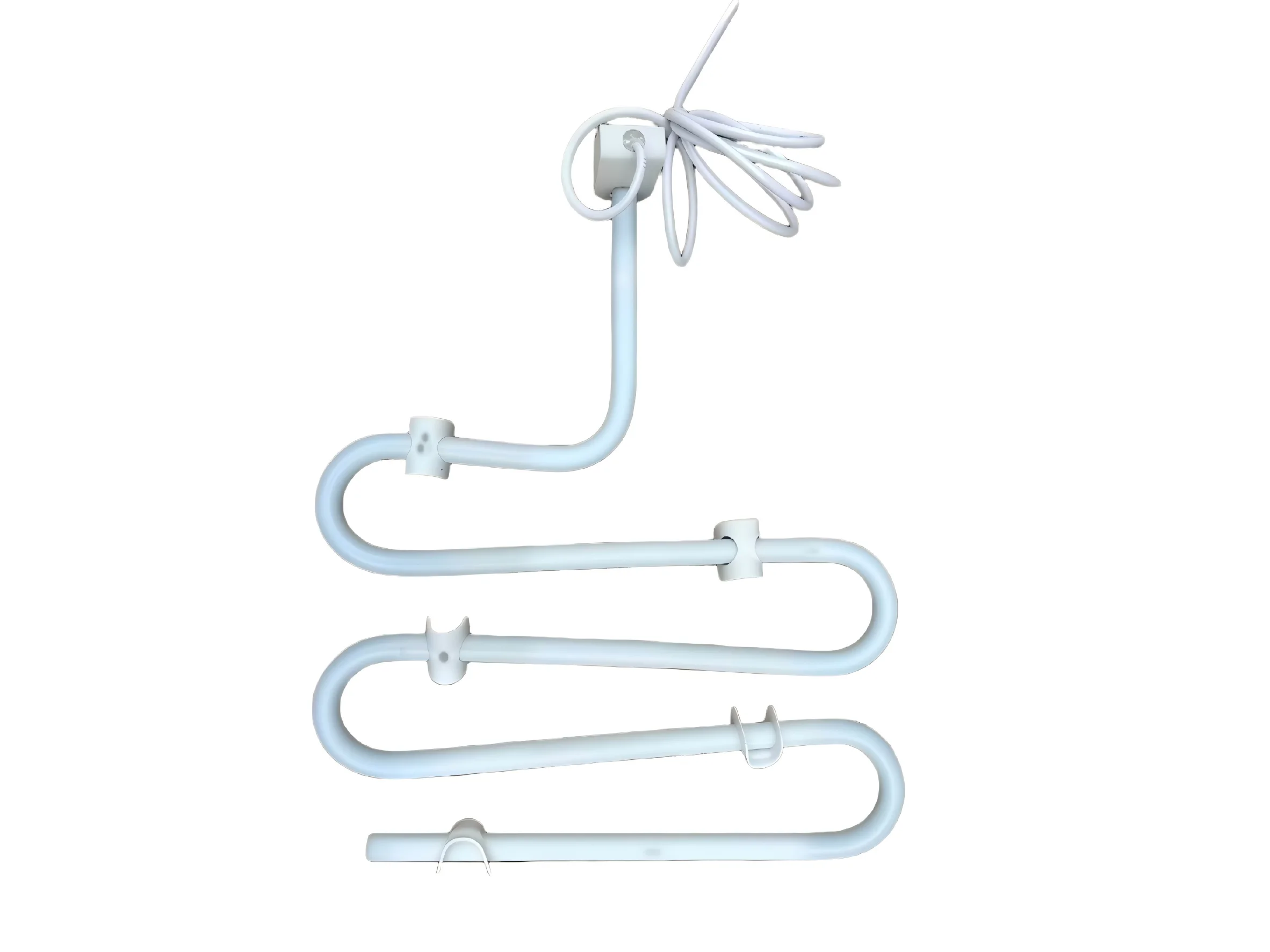
Electric Hydraulic Oil Heater
Description
Designed for heating hydraulic oil and maintaining proper oil viscosity to support stable operation of hydraulic systems and industrial equipment, especially during startup or low-temperature operation.
Applications
Hydraulic stations, lubrication systems, industrial machinery, power units, equipment startup heating, and low-temperature oil preheating.
Typical Design Options
Corrosive Chemical Liquid Heater
Description
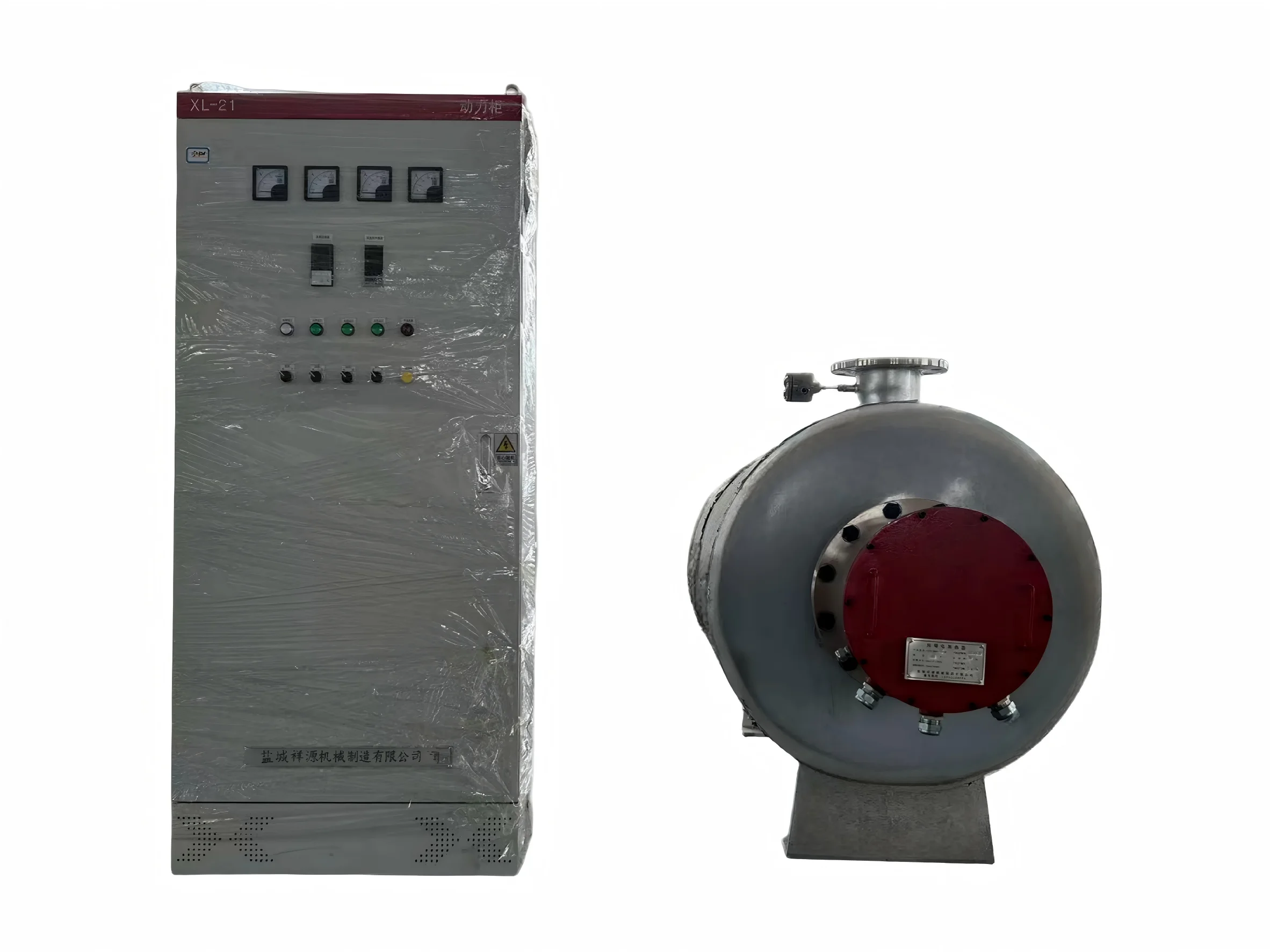
Designed for heating corrosive chemicals and aggressive process fluids using corrosion-resistant wetted materials, suitable sealing structure, and custom-engineered heating element arrangements.
Applications
Acid heating, alkaline solutions, electroplating systems, specialty chemical production, chemical dosing systems, and aggressive process fluid heating.
Typical Design Options
Electric Wastewater Heater
Description
Designed for industrial wastewater heating and process temperature maintenance. The design can consider wastewater composition, suspended solids, fouling tendency, and maintenance access requirements.
Applications
Wastewater treatment plants, industrial effluent systems, sludge treatment processes, environmental protection systems, and process wastewater temperature control.
Typical Design Options
Electric Crude Oil Heater
Description
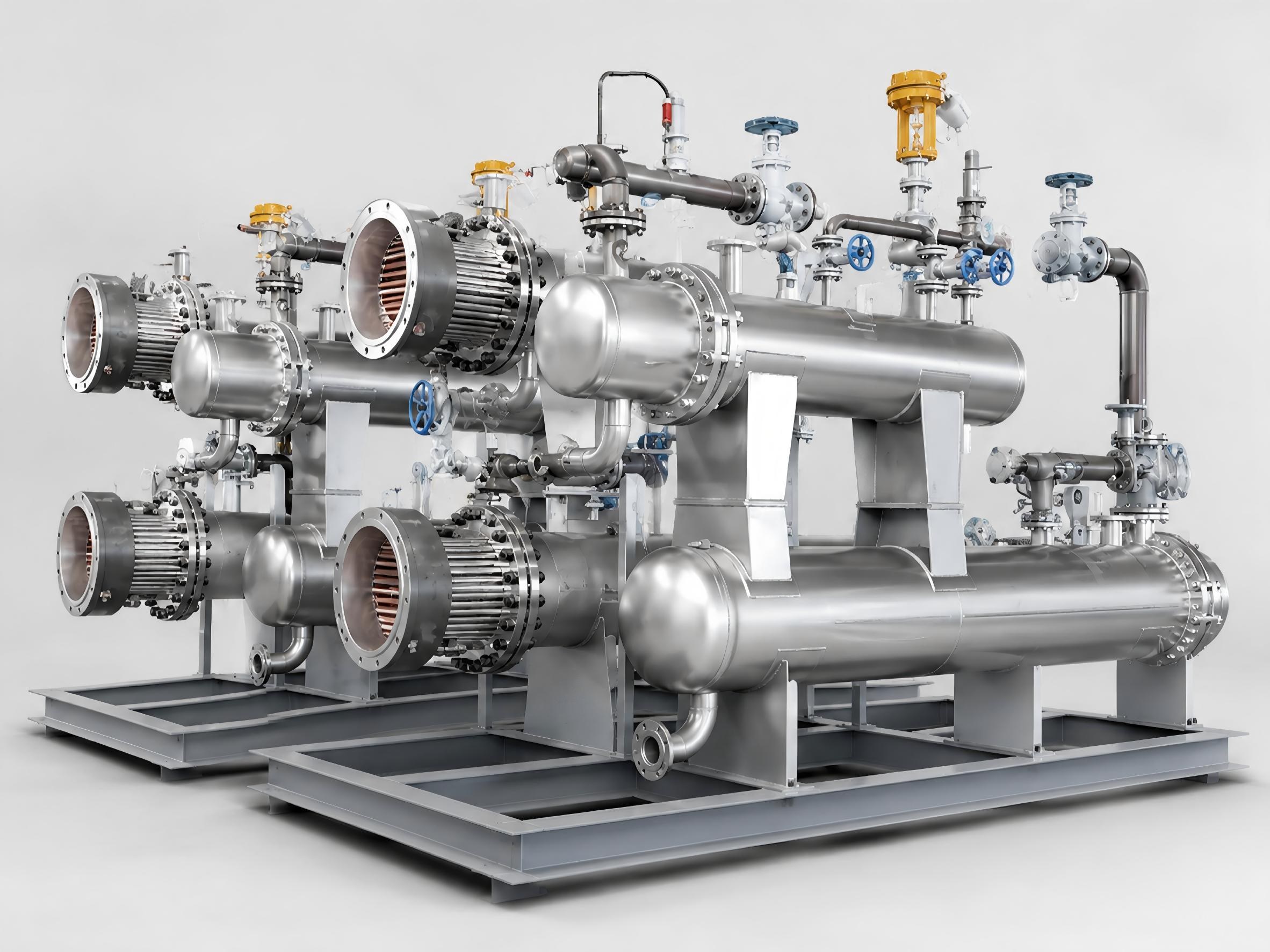
Designed for heating crude oil and oilfield production fluids to reduce viscosity, improve flow characteristics, and support pipeline, storage, separation, and processing operations.
Applications
Oil production facilities, crude oil transportation systems, storage terminals, separation processes, oilfield process heating, and refinery support systems.
Typical Design Options
Electric Heavy Oil Heater
Description
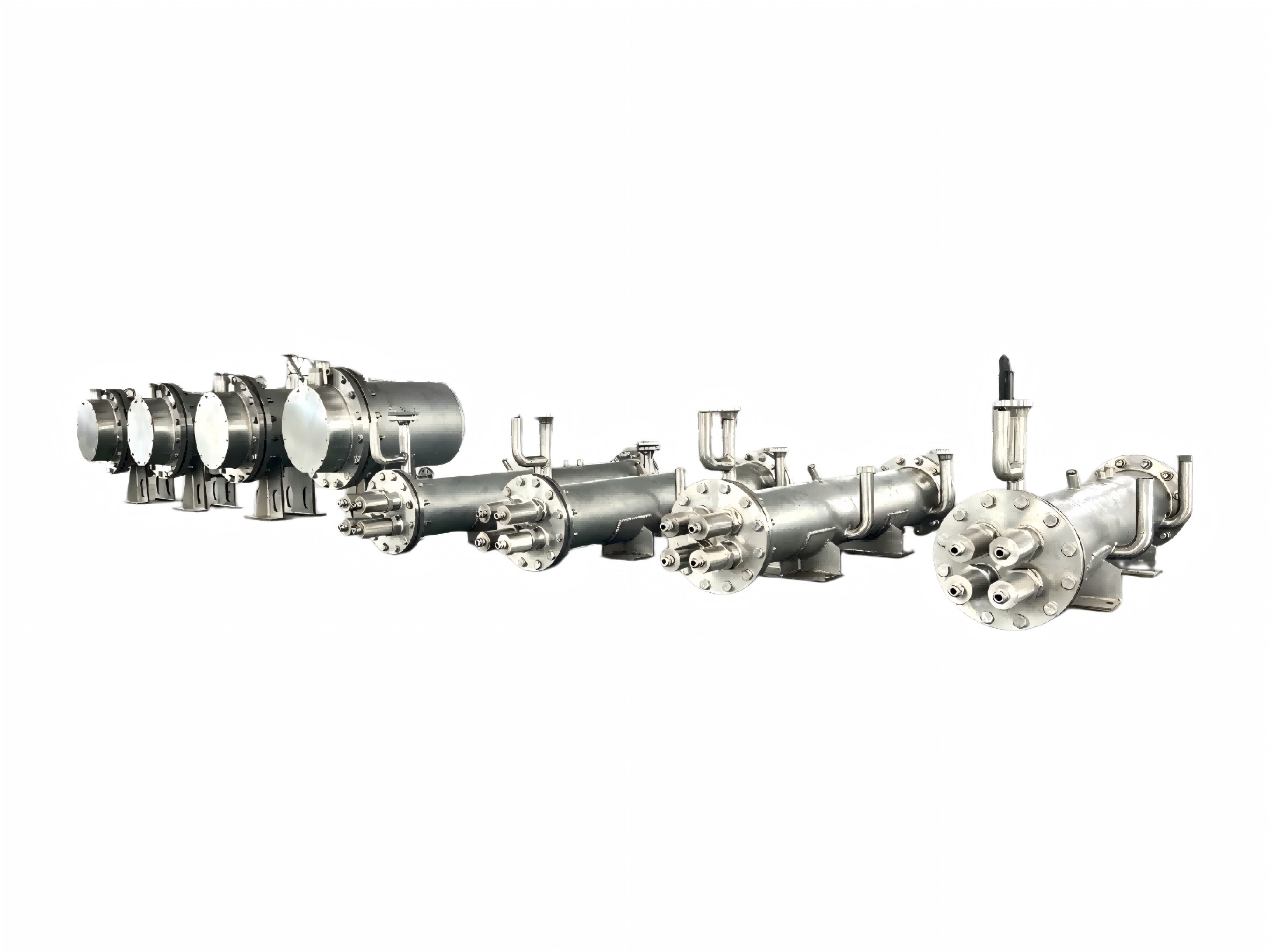
Designed for heating heavy oil, fuel oil, and high-viscosity oils to improve flowability, transfer efficiency, pumping performance, and process stability.
Applications
Heavy fuel oil systems, oil storage facilities, fuel transfer systems, industrial burners, marine fuel systems, and petrochemical processing operations.
Typical Design Options
Marine Lube Oil Heater
Description
Designed for heating marine lube oil and lubrication oil to maintain suitable viscosity and protect critical marine engines, auxiliary machinery, and lubrication systems.
Applications
Marine engine lubrication systems, auxiliary machinery, oil preheating, shipboard lubrication systems, and offshore equipment maintenance heating.
Typical Design Options
Marine Explosion-Proof Heater
Description
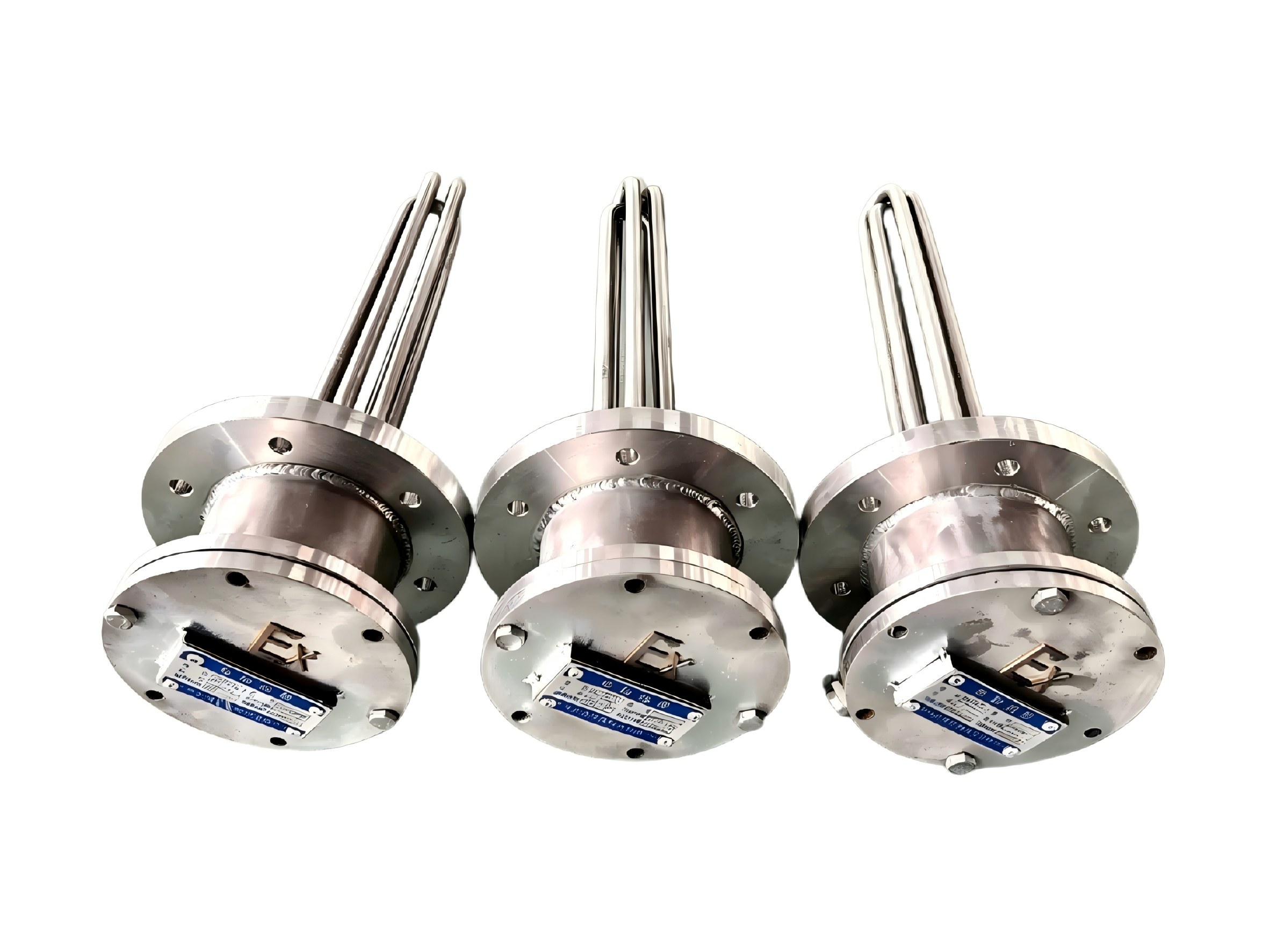
Designed for safe liquid heating in hazardous marine and offshore environments. Explosion-proof heater body, terminal box, control cabinet, and safety interlock options can be configured according to project requirements.
Applications
Shipboard hazardous areas, offshore platforms, marine oil or water systems, process fluid heating, and explosion-proof marine heating packages.
Typical Design Options
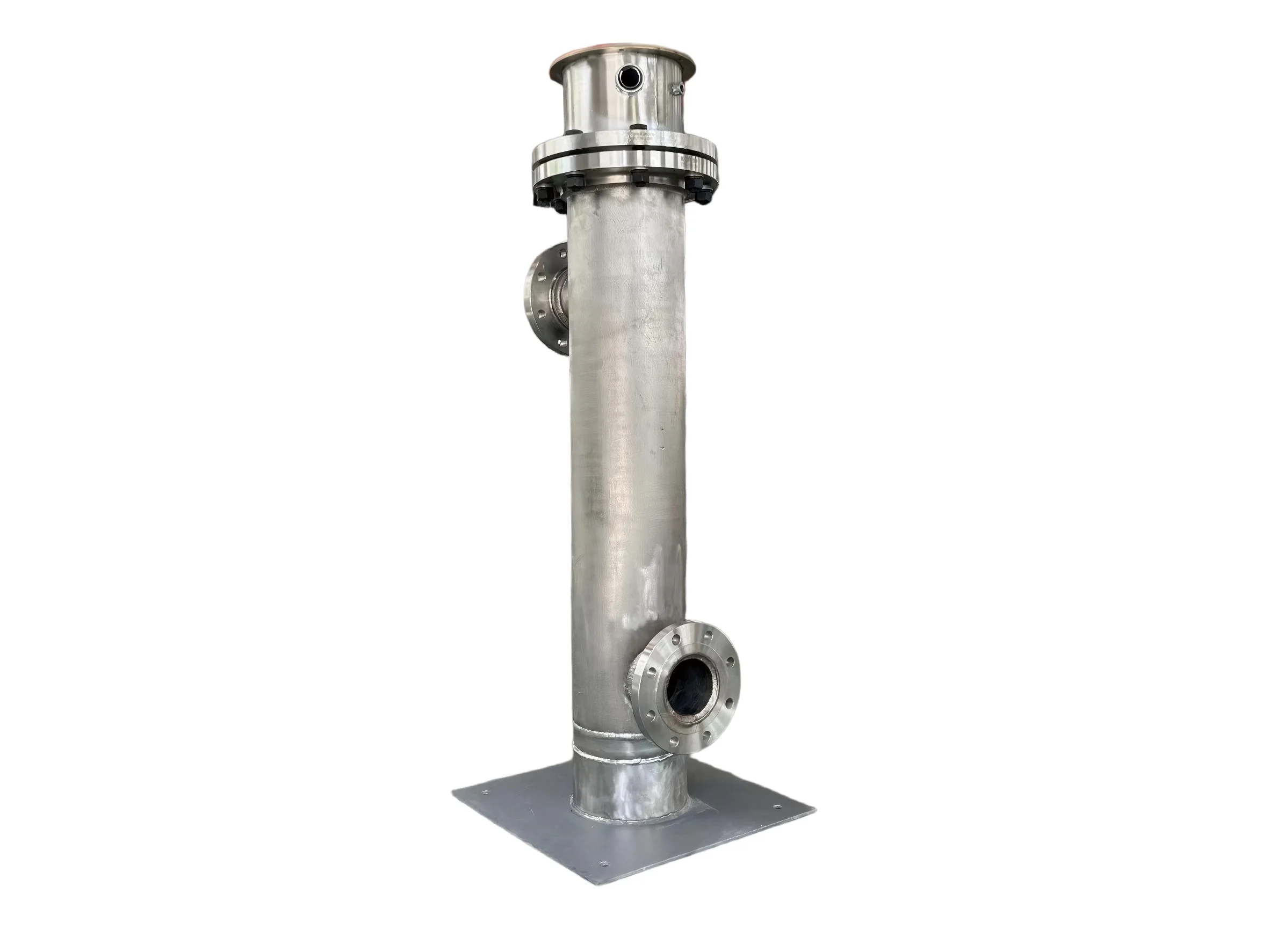
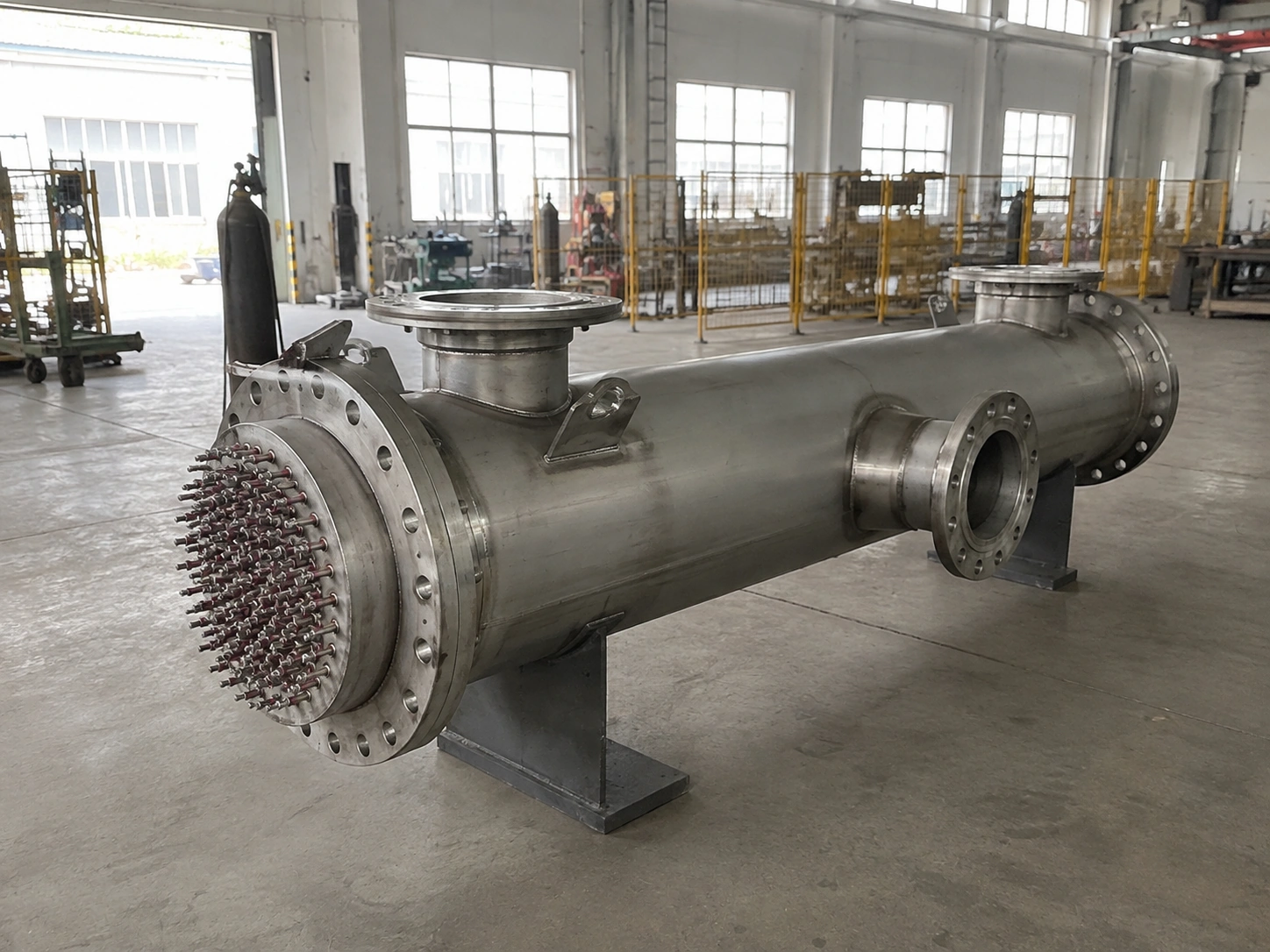
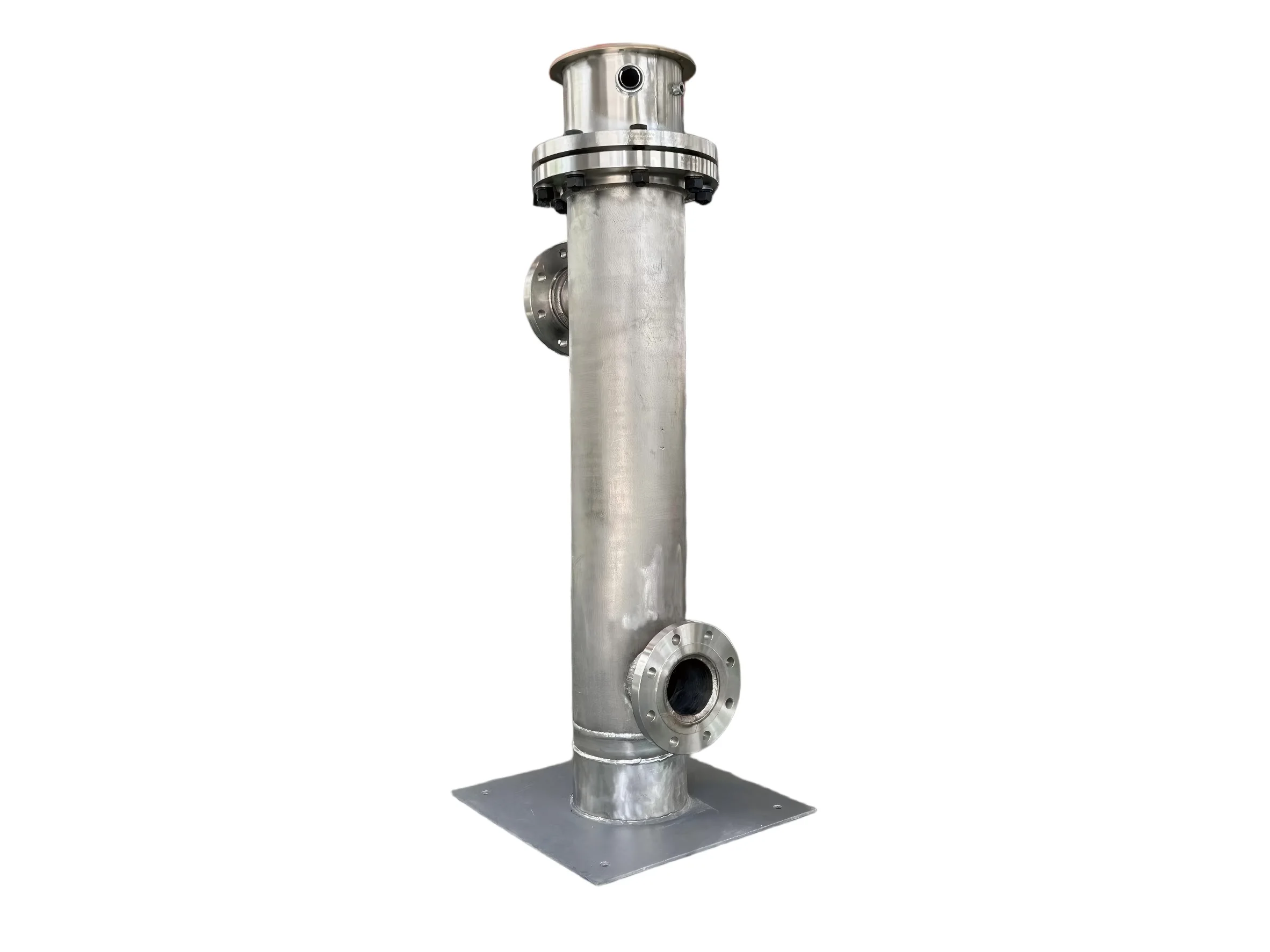
Electric Pipeline Heater
Description
Designed for continuous inline heating of liquid and process-fluid streams in closed pipelines, with custom flow, pressure, temperature and material requirements.
Applications
Industrial water, thermal oil, hydraulic oil, chemical-liquid and other process-fluid pipelines and circulation loops.
Typical Design Options
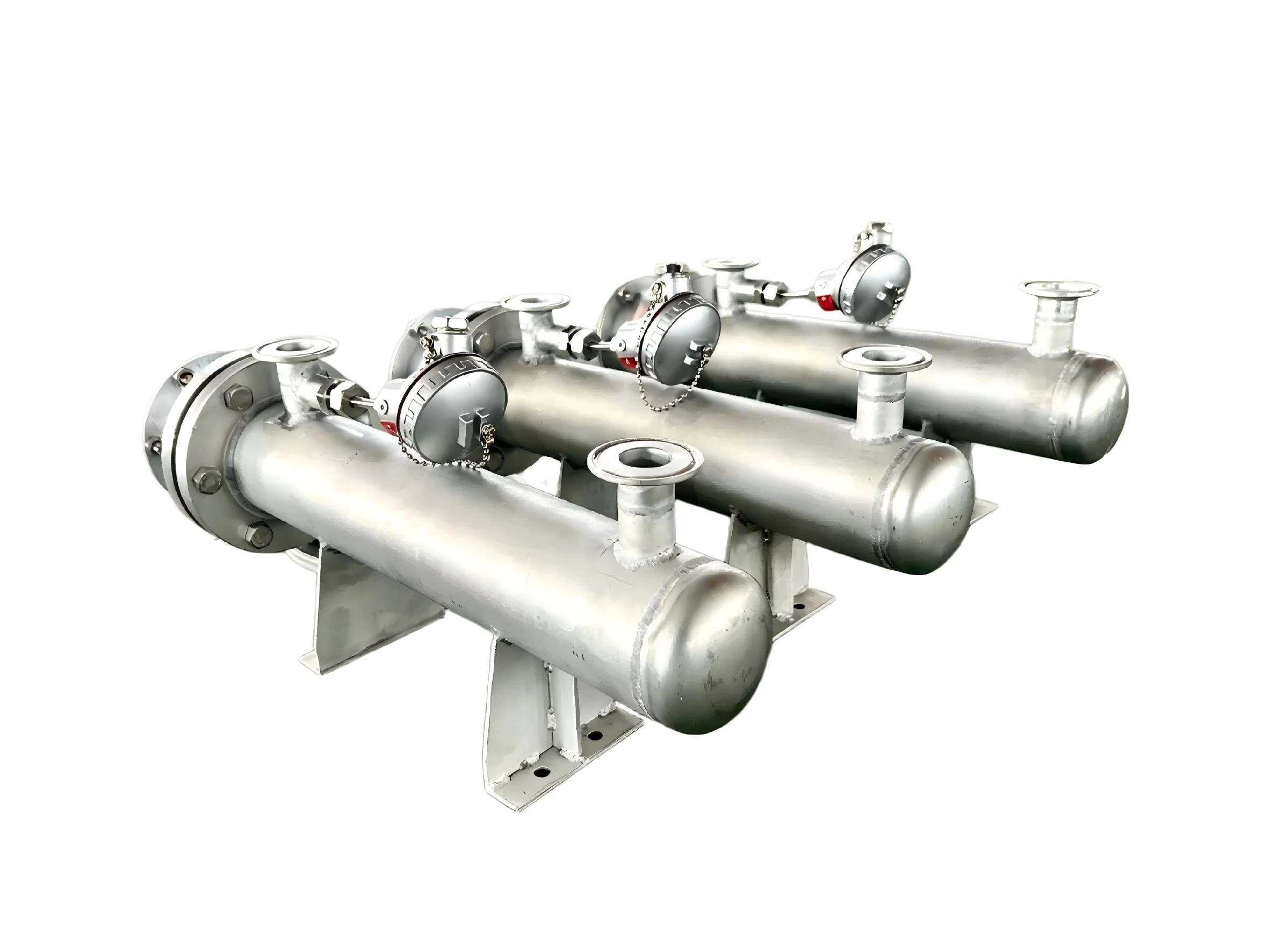
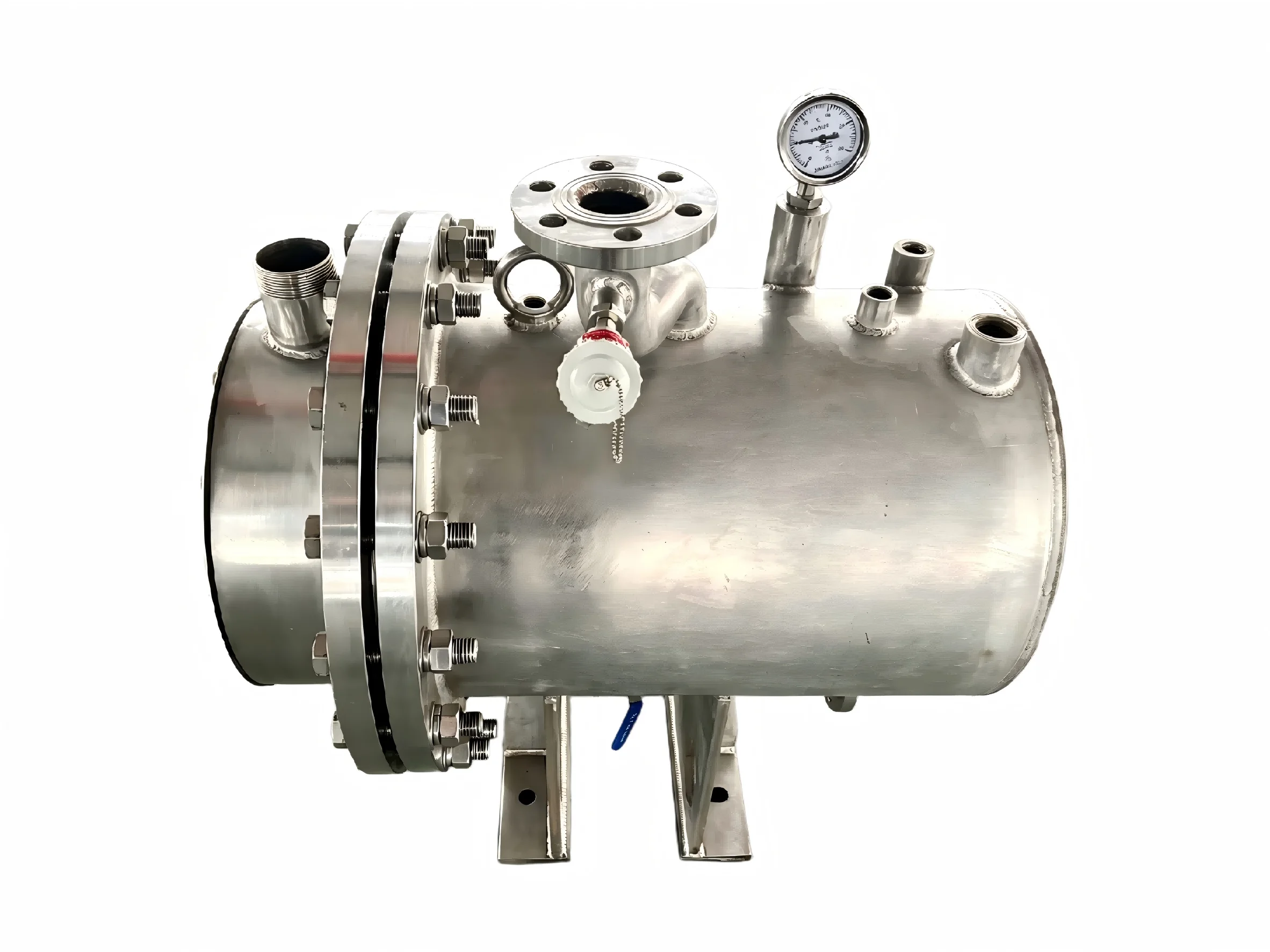
Marine Electric Fresh Water Heater
Description
Designed for shipboard fresh-water and auxiliary systems where compact construction, marine-compatible materials and dependable temperature control are required.
Applications
Shipboard fresh-water systems, domestic water, auxiliary water, marine equipment and offshore support systems.
Typical Design Options
LIQUID & PROCESS FLUID HEATING · PROJECT INPUT
Define Your Process Fluid Heating Duty
A reliable liquid heater starts with accurate fluid data. Use these four groups to describe the process, thermal target, mechanical limits, and control requirements.
Fluid Profile
- Fluid type, composition, and concentration
- Viscosity and density at operating temperature
- Flow rate, circulation rate, or tank volume
Thermal Duty
- Inlet and required outlet temperature
- Heat-up time, holding duty, or process heat load
- Normal, start-up, and maximum operating conditions
Mechanical Design
- Working pressure and allowable pressure drop
- Installation method and connection size
- Wetted material and corrosion requirements
Electrical & Safety
- Voltage, phase, and frequency
- Temperature accuracy and control method
- Flow, level, pressure, and over-temperature interlocks