

ELECTRIC LIQUID & PROCESS FLUID HEATERS
Electric Hydraulic Oil Heater
Custom electric hydraulic oil heating equipment for hydraulic stations, lubrication systems and oil circulation loops.
The Electric Hydraulic Oil Heater raises or maintains hydraulic oil temperature so the oil reaches a suitable viscosity for circulation, equipment start-up, lubrication and stable hydraulic-system operation.
Heating power, flow rate, oil grade, target temperature, pressure, connection, element watt density and control method can be customized. The heater can be supplied as an inline unit, reservoir immersion assembly or packaged circulation section.
Product Overview
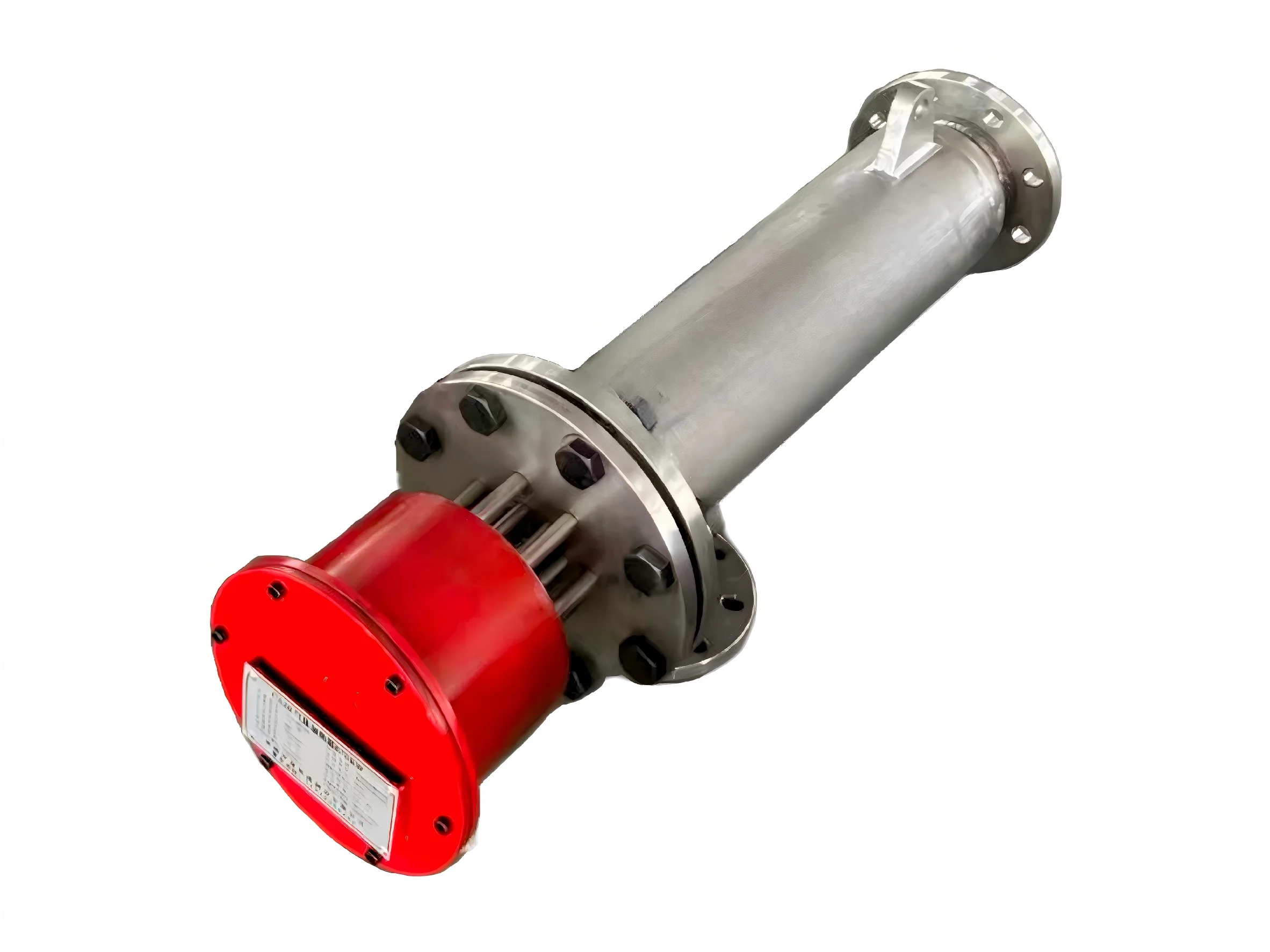
The Electric Hydraulic Oil Heater is an industrial electric heating unit used in hydraulic stations and lubrication systems where oil temperature must be controlled for viscosity, pumpability and equipment operation.
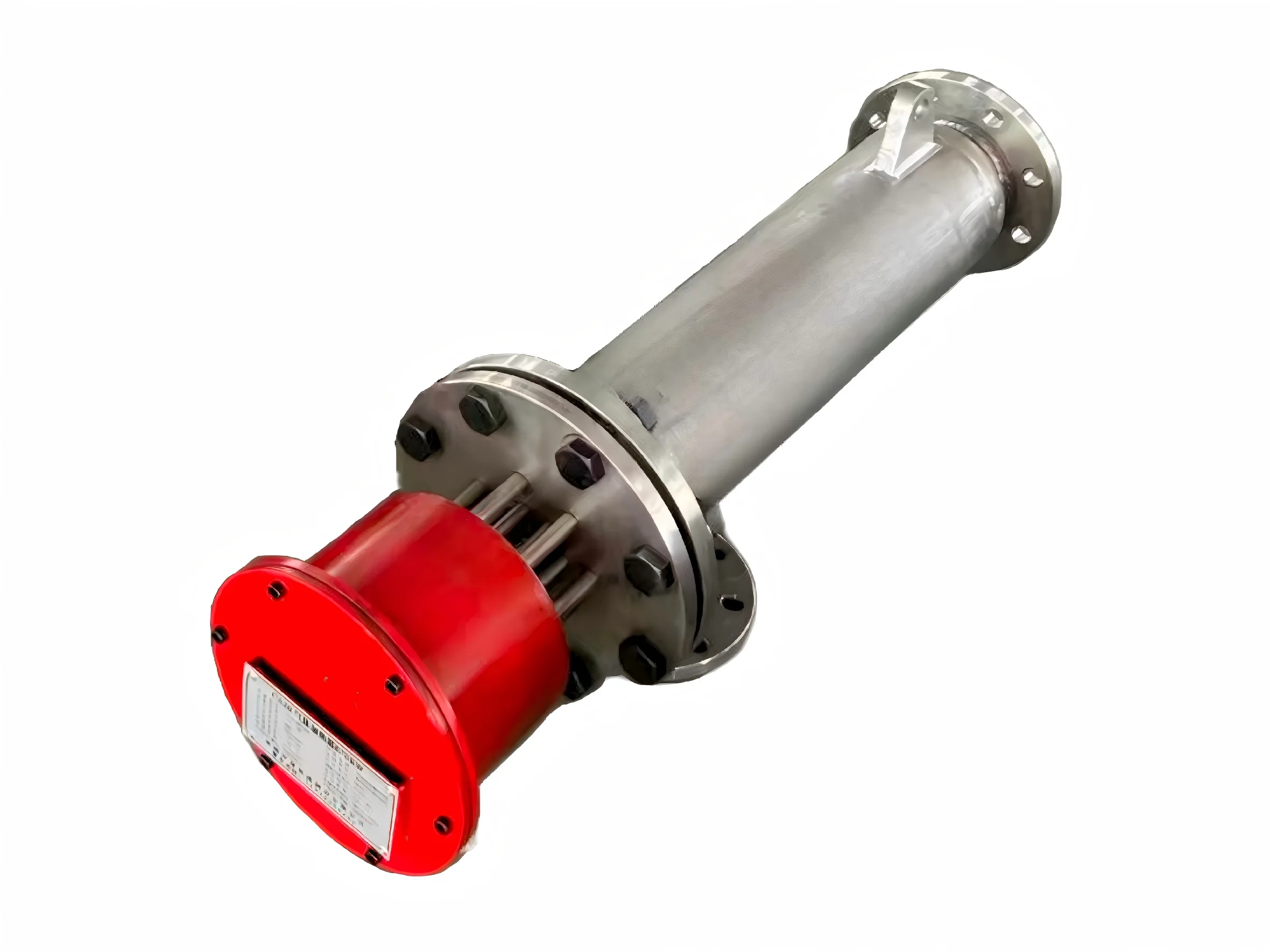
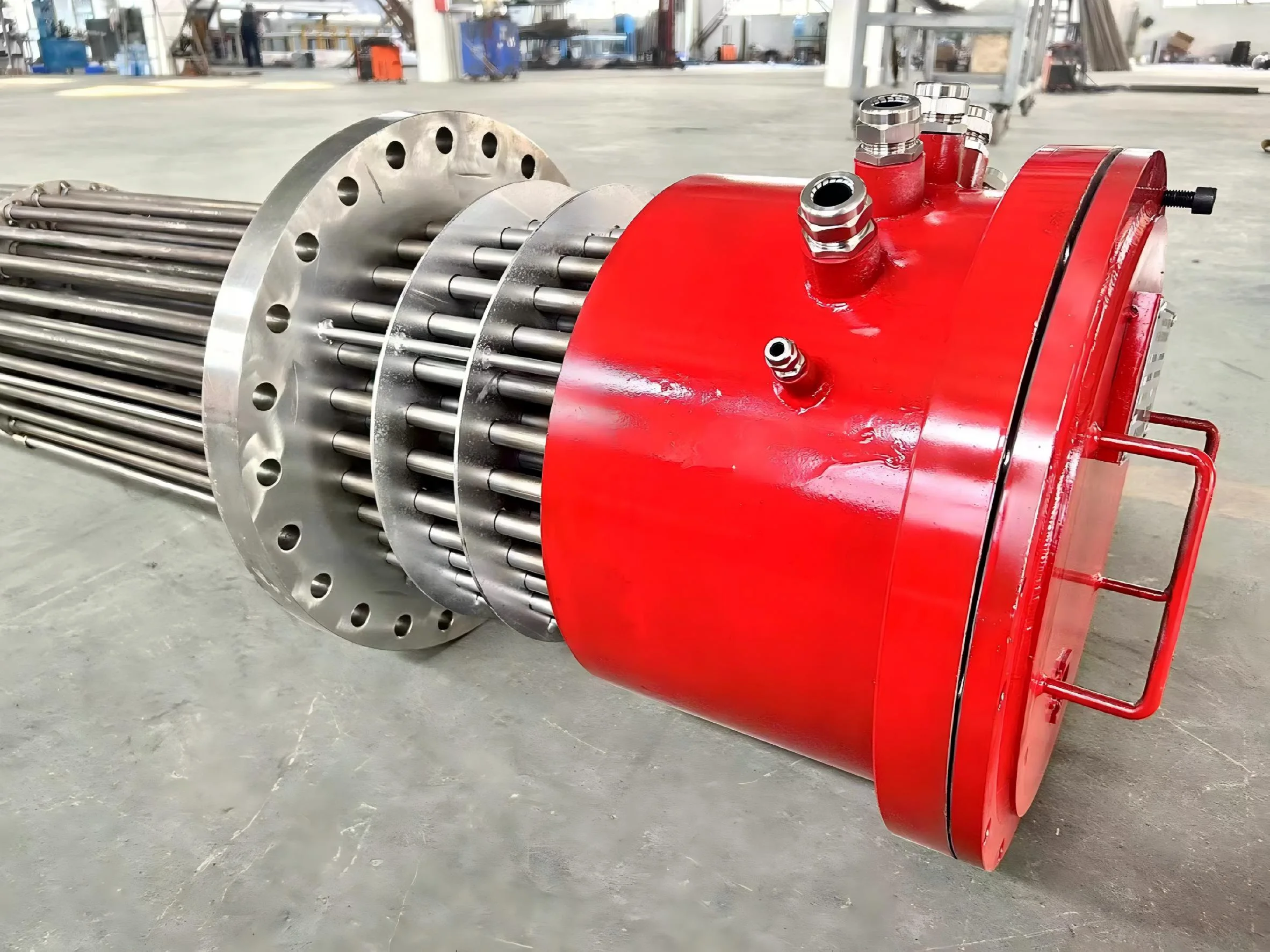
A typical inline unit includes a pressure-bearing shell, inlet and outlet, flanged heating element bundle, terminal box, insulation, temperature sensors and mounting supports. A reservoir version can use a flanged immersion assembly with level and dry-heating protection.
Unlike an Electric Thermal Oil Heater, this product heats hydraulic or lubricating oil used by machinery rather than a dedicated heat-transfer fluid loop for indirect process heating.
Xiangyuan Machinery can supply the heater alone, a heater with control cabinet, or a circulation package including pump, valves, instruments and skid frame where required.
Key Features
The Electric Hydraulic Oil Heater can be engineered around the actual medium, duty, installation and control requirements of the project.
Oil-Viscosity Based Design
Heating duty and flow arrangement are selected from oil grade, viscosity and start-up conditions.
Controlled Watt Density
Element watt density can be selected according to oil viscosity, operating temperature and circulation conditions to reduce local overheating and oil degradation.
Inline or Reservoir Installation
Available as a circulation-line heater, flanged immersion heater or packaged oil-heating section.
Pressure-Bearing Construction
Shell and connections can be designed for the hydraulic or lubrication circuit pressure.
Accurate Temperature Control
PID, SCR and staged power options support stable oil temperature and controlled start-up.
Hazardous-Area Configuration
Explosion-proof terminal boxes and matched electrical configurations are available. Relevant explosion-proof products are certified Ex db IIC T1–T6 Gb in China.
Typical Technical Parameters
The following parameters are for reference only. Final design is confirmed according to the operating medium, temperature, dimensions and project requirements.
| Parameter | Customizable Range or Options |
|---|---|
| Product Name | Electric Hydraulic Oil Heater |
| Heating Medium | Hydraulic oil, lubricating oil or compatible industrial oil |
| Heating Power | Custom engineered according to oil volume or flow rate, inlet temperature, target temperature, heat-up time and operating duty |
| Temperature Range | Customized within the allowable range of the selected oil |
| Working Pressure | According to hydraulic or circulation-system requirements |
| Flow Rate | Selected from pump capacity, viscosity and allowable pressure drop |
| Installation | Inline circulation, reservoir immersion or skid-mounted package |
| Shell Material | Carbon steel, SS304 or other suitable material |
| Heating Element Sheath Material | SS304, SS316L, Incoloy 800/840 or selected oil-compatible alloy |
| Control Method | PID, SCR, staged control, PLC or local thermostat where suitable |
| Protection Options | Independent over-temperature cutoff, pump or flow interlock, low-level protection, dry-heating protection, pressure monitoring, ground-fault protection, protective grounding and emergency stop |
| Explosion-Proof Option | Explosion-proof terminal box and matched electrical configuration; relevant explosion-proof products certified Ex db IIC T1–T6 Gb in China |
| Optional Design | Pump, valves, filter, instruments, control cabinet and insulated piping |
Structure, Materials, Control and Safety
Structure of the Heater
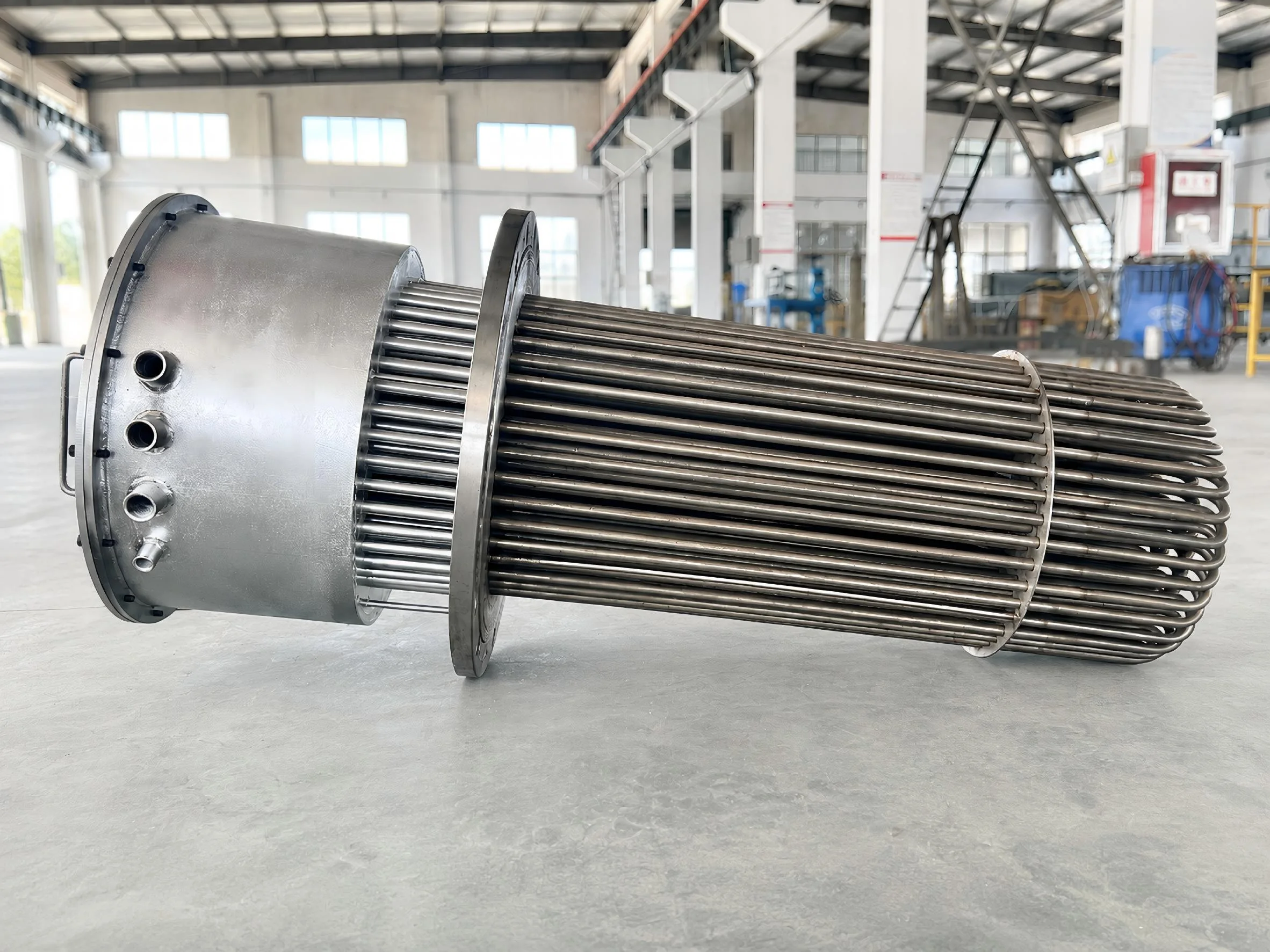
An inline hydraulic-oil heater normally uses a cylindrical pressure-bearing shell with inlet and outlet connections and a removable flanged heating element bundle. Baffles or flow guides can be used to maintain suitable oil velocity around the elements.
A reservoir installation can use a flanged immersion heater with an appropriate immersion length and maintenance clearance. A packaged version can include a pump, valves, filter, instruments, piping, control cabinet and skid frame.
The structure is arranged to avoid stagnant zones, support draining and venting, and provide access for element removal and inspection.
Materials and Customization
Material selection depends on oil type, temperature, additives, system pressure and cleanliness requirements. Carbon steel or stainless steel can be used for the shell, while SS304, SS316L, Incoloy 800/840 or selected alloys can be used for the heating elements where suitable.
Element watt density, sheath diameter and spacing are selected to limit local oil temperature. Seals and gaskets must be compatible with the oil and operating temperature.
The heater can be customized in power, connection, flange standard, immersion length, installation direction, insulation, terminal-box orientation and maintenance-removal direction.

Control System
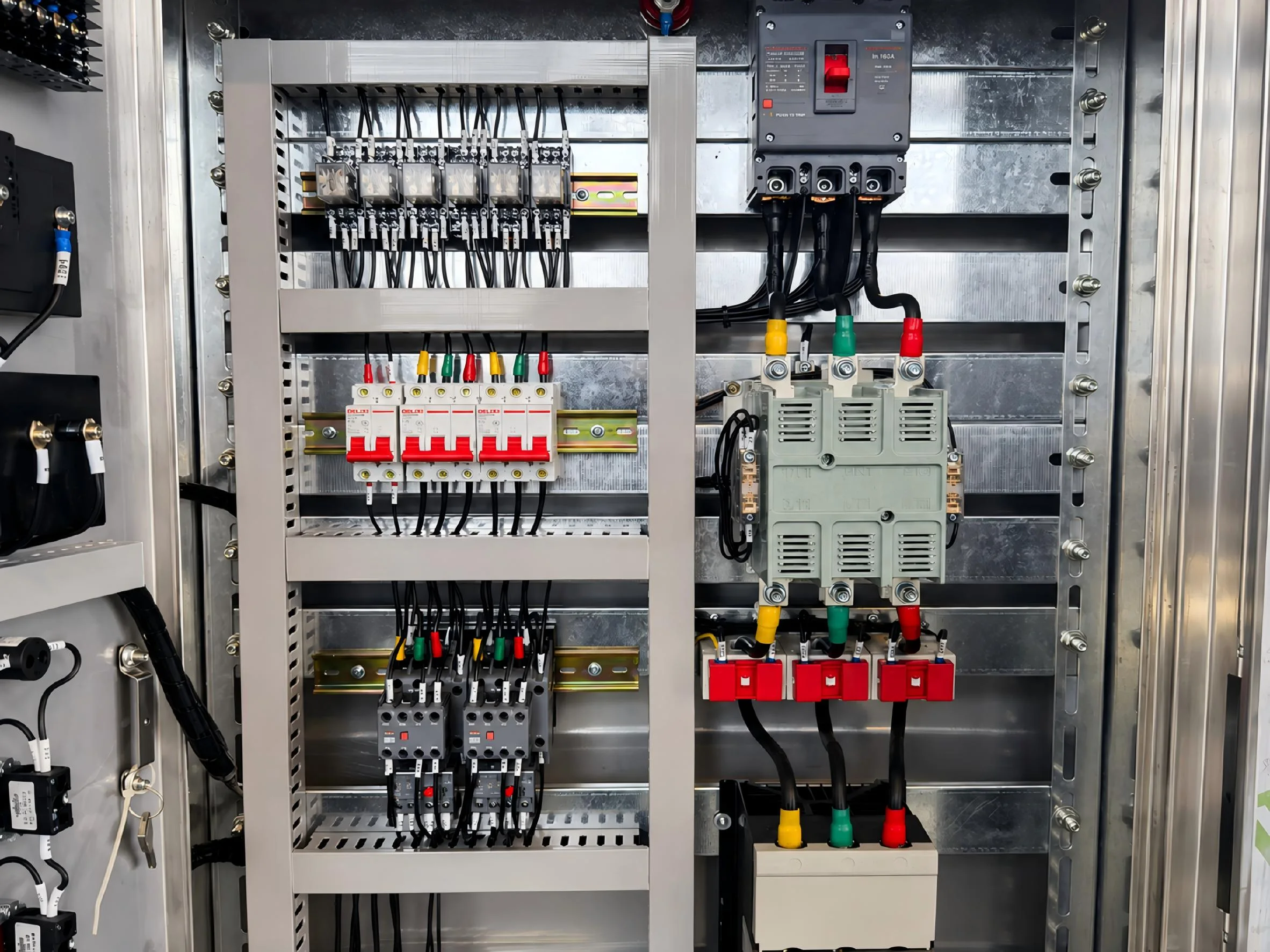
The heater can use an independent cabinet or connect to the hydraulic-station PLC. PID control, SCR power regulation, staged contactor control, PLC logic and HMI are available according to project requirements.
Control can be based on heater outlet temperature, reservoir temperature or a downstream oil-temperature signal. Element sheath temperature may be monitored for additional protection.
Pump-running or confirmed-flow signals can be used as a heater start permissive. Start-up power can be applied in stages to avoid rapid local heating when cold oil has high viscosity.
Safety Protection
Typical protection can include an independent over-temperature cutoff, pump or confirmed-flow interlock, low-level and dry-heating protection for immersion arrangements, pressure monitoring, ground-fault protection, protective grounding and emergency stop.
The heating elements must remain fully immersed or the required oil circulation must be confirmed during operation. Oil flow should be established before full heating power is applied, especially during cold start-up when oil viscosity is high.
For hazardous-area applications, explosion-proof terminal boxes and matched electrical configurations are available. Relevant explosion-proof products have obtained Chinese explosion-proof certification rated Ex db IIC T1–T6 Gb. The final configuration is confirmed according to the site classification and actual operating conditions.
Typical Applications
Typical applications for the Electric Hydraulic Oil Heater include the following industrial heating duties. Final selection should be based on confirmed process data.
Hydraulic Power Units
Preheating and maintaining oil temperature in hydraulic stations.
Lubrication Systems
Controlling lubricating-oil temperature for bearings and rotating equipment.
Cold-Start Assistance
Reducing oil viscosity before machinery or pump start-up.
Industrial Presses
Heating hydraulic oil used by presses and forming equipment.
Steel and Mining Equipment
Oil heating for heavy industrial hydraulic and lubrication systems.
Machine Tools
Temperature control for hydraulic circuits and precision equipment.
Gearbox Oil Circulation
Heating compatible circulating oil before or during equipment operation.
Packaged Oil Systems
Integration with pump, filter, instruments and control cabinet on a skid.
How to Select the Right Electric Hydraulic Oil Heater
Please provide the following information so Xiangyuan Machinery can select and design the Electric Hydraulic Oil Heater for the actual operating conditions.
Oil Type
Provide hydraulic or lubricating oil grade and supplier data.
Oil Volume / Flow
State reservoir volume or normal, minimum and maximum flow.
Viscosity
Provide viscosity at start-up and operating temperatures where available.
Inlet Temperature
State lowest start-up and normal oil temperature.
Target Temperature
State required outlet or reservoir temperature.
Heating Time
Provide allowable heat-up time for batch or reservoir duty.
Working Pressure
Provide operating and design pressure plus allowable pressure drop.
Installation
Select inline, immersion or packaged circulation arrangement.
Materials
State any mandatory shell, element, seal or cleanliness requirements.
Power Supply
Provide voltage, phase and frequency.
Control / Interlocks
Define pump, flow, level, PLC and remote-signal requirements.
Maintenance Space
Provide element-removal direction and available clearance.
Frequently Asked Questions
Common questions about Electric Hydraulic Oil Heater selection, customization and industrial use.
What is an Electric Hydraulic Oil Heater?
Can it be installed in a circulation line or reservoir?
How is it different from an Electric Thermal Oil Heater?
What information is needed for selection?
Can it include a pump and control cabinet?
Can an explosion-proof hydraulic oil heater be provided?
Related Heating Solutions
Related heating solutions: Electric Inline Process Liquid Heater, Electric Thermal Oil Heater, Flanged Immersion Heater.
Why Choose Xiangyuan Machinery
From heater sizing to control and testing, each system is engineered around the actual hydraulic oil, operating duty, installation limits and project requirements.
Thermal & Material Engineering
Heating duty, element surface loading and materials are selected from the oil properties, temperature, pressure and site conditions.
Flexible Mechanical Arrangement
Power, connection, installation direction and maintenance access can be adapted to the available equipment layout.
Control & Safety Integration
PID, SCR, staged control, PLC or HMI can be combined with temperature, flow, pressure, level and electrical interlocks.
Complete Project Supply
Supply can include the heater, control cabinet and instruments, together with inspection, electrical testing and technical documentation.
Tell Us Your Hydraulic Oil Heating Conditions
Send the oil grade, flow or reservoir volume, inlet and target temperatures, pressure, power supply, installation dimensions and control requirements.