

ELECTRIC LIQUID & PROCESS FLUID HEATERS
Electric Pipeline Heater
Custom electric inline heating for liquid pipelines, circulation loops and process systems, with gas-service options available by engineering review.
The Electric Pipeline Heater is an industrial closed-flow electric heating unit installed directly in a pipeline or circulation loop. It can be engineered for gases such as air, compressed air, nitrogen and process gas, or for liquids such as water, oil, chemical liquids and other process fluids.
Heating power, outlet temperature, working pressure, flow path, shell material, heating element sheath material, connection, installation direction, control cabinet and safety interlocks are customized according to the actual medium and operating conditions.
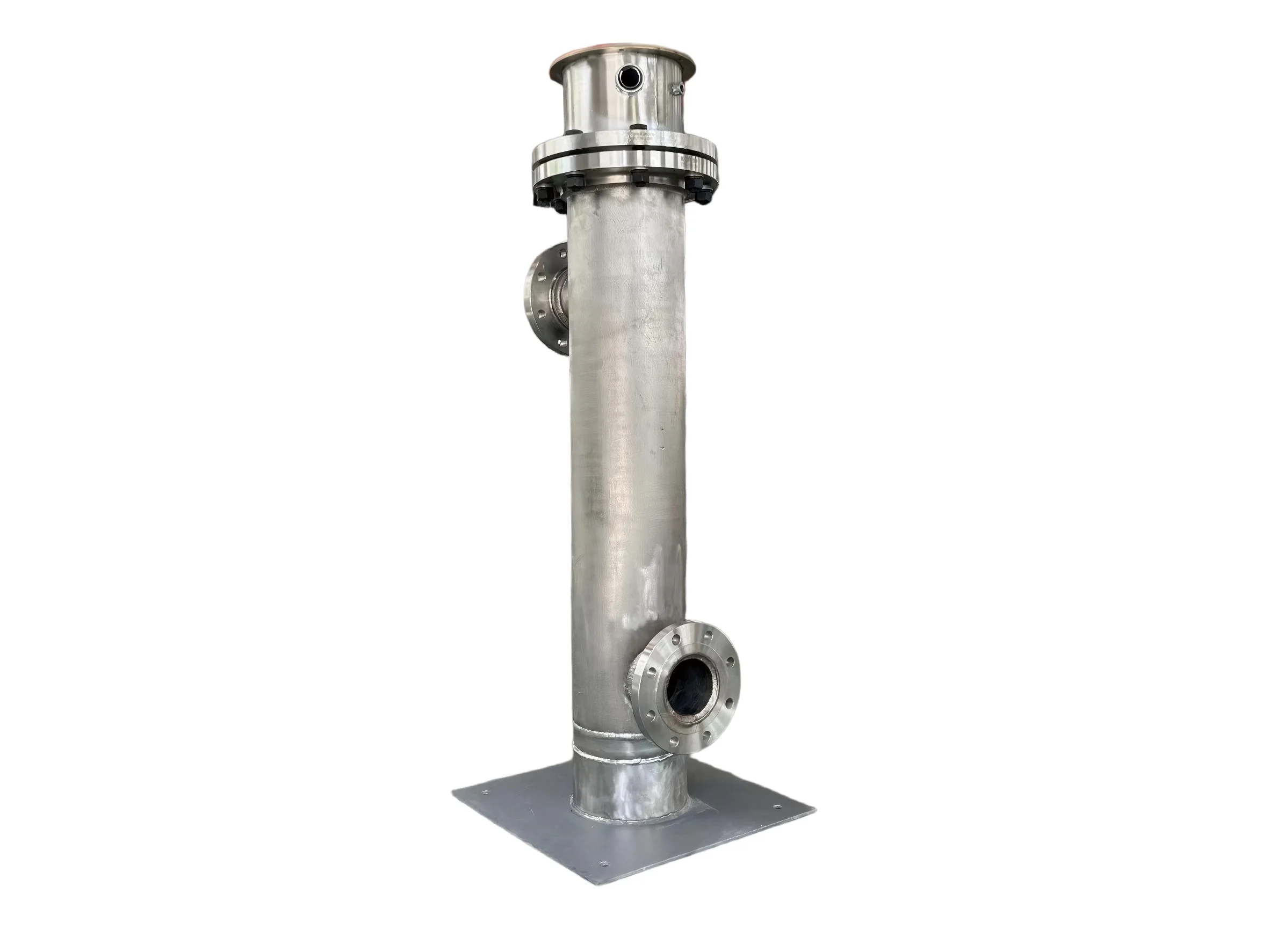
Product Overview
The Electric Pipeline Heater is a broad industrial product category for heating gas or liquid as it flows through a closed pipeline or circulation loop. The internal structure, heating element arrangement, pressure-bearing design and safety interlocks are selected according to the actual heating medium rather than by the product name alone.
For gas service, design review focuses on flow rate, operating pressure, required outlet temperature, allowable pressure drop, gas composition, moisture and possible condensate. For liquid service, additional factors include viscosity, solids, corrosion, minimum flow, element wetting and dry-heating prevention.
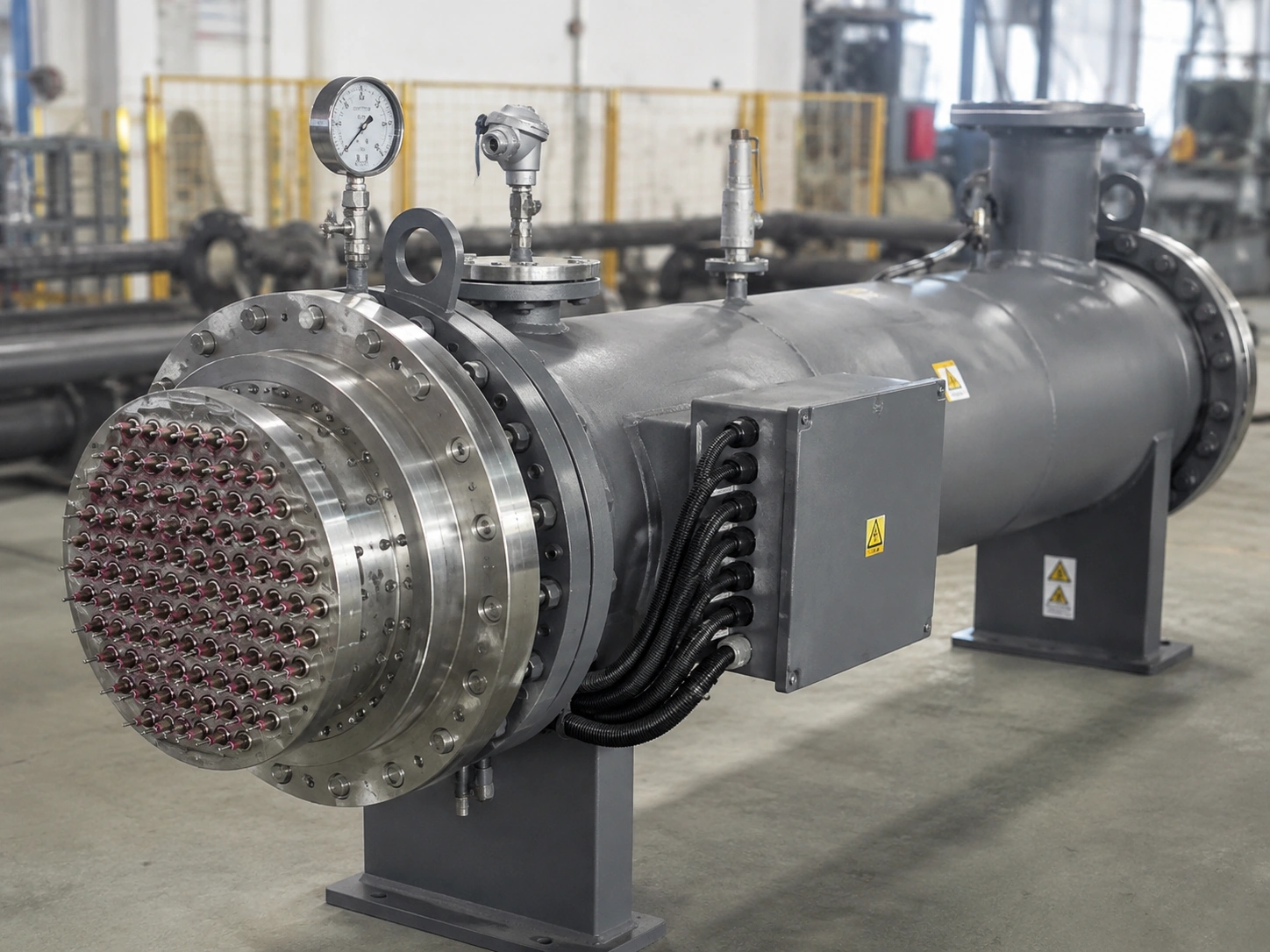
A typical unit can include a pressure-bearing shell, inlet and outlet connections, removable flanged heating element bundle, terminal box, temperature sensors, insulation and supports. Optional scope can include a control cabinet, pump or blower, valves, instruments, piping and a skid frame.
Customers with a confirmed medium can also refer to the Electric Inline Process Gas Heater or Electric Inline Process Liquid Heater pages for more medium-specific selection information.
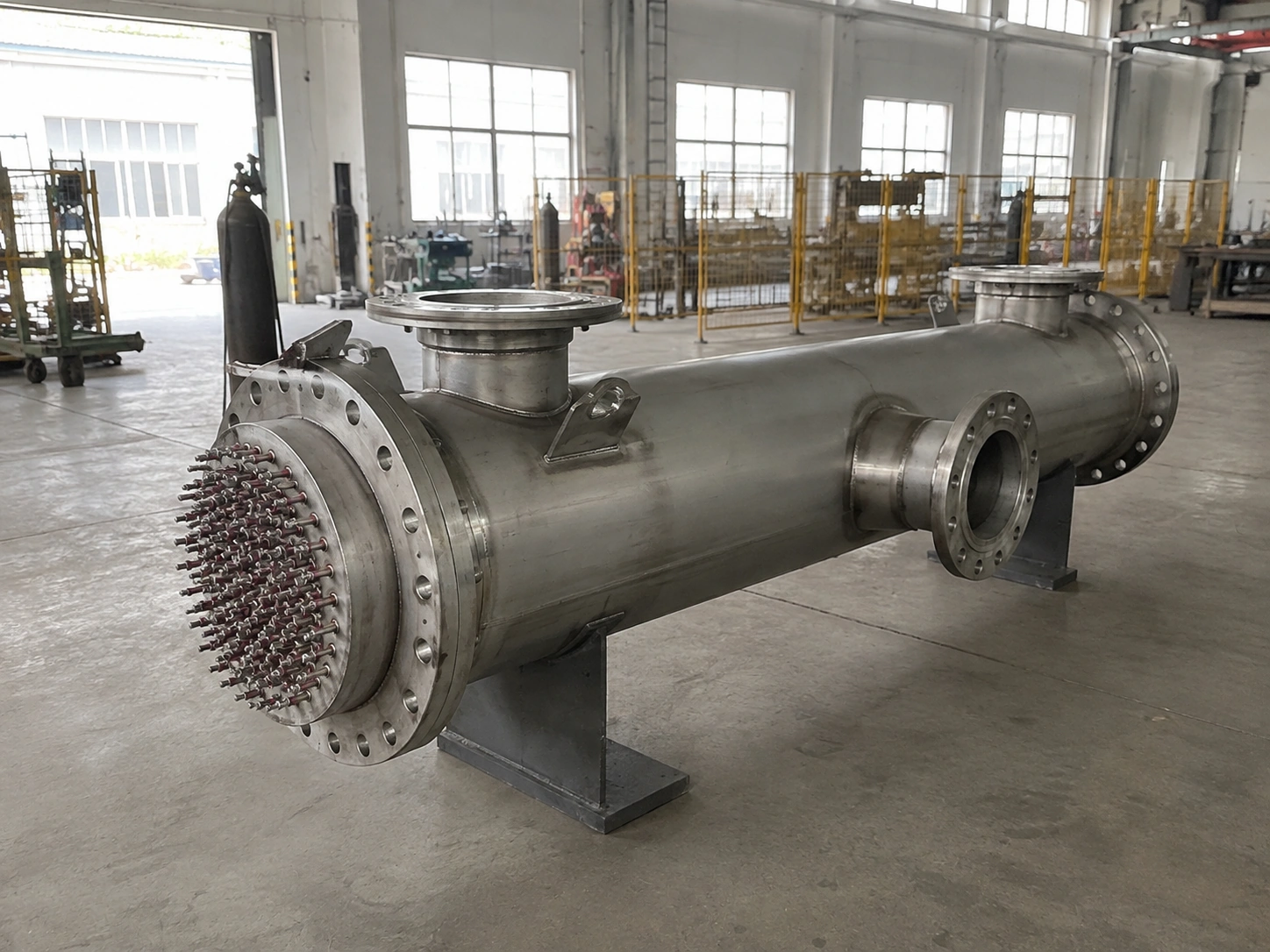
Key Features
The Electric Pipeline Heater is configured according to the actual medium. Gas and liquid versions use different thermal calculations, materials, flow structures and protection logic.
Gas or Liquid Pipeline Duty
The heater can be engineered for compatible gas or liquid pipeline service after the medium, flow, pressure, temperature and safety requirements are confirmed.
Closed Pipeline Installation
Installed directly in a pipeline or circulation loop through flanged, threaded or customized inlet and outlet connections.
Pressure-Bearing Heater Body
Shell dimensions, design pressure, flange rating and flow direction are selected from the actual pipeline conditions.
Custom Thermal Design
Heating power is calculated from medium properties, flow rate, inlet temperature, target outlet temperature and heat loss.
Medium-Specific Materials
Carbon steel, SS304, SS316L, SS310S, Incoloy 800/840 and selected alloys can be evaluated according to temperature and corrosion.
Stable Outlet Temperature Control
PID control, SCR power regulation, staged control or PLC control can be configured for the required process temperature.
Gas-Specific Protection
Flow or differential-pressure interlock, pressure monitoring and high-limit temperature protection can be applied to gas service.
Liquid-Specific Protection
Low-flow, dry-heating, pressure, level and over-temperature protection can be applied according to the liquid system.
Hazardous-Area Configuration
Relevant explosion-proof products have obtained Chinese explosion-proof certification Ex db IIC T1–T6 Gb.
Typical Technical Parameters
The following parameters are for reference only. Final design is confirmed according to the operating medium, temperature, dimensions and project requirements.
| Parameter | Customizable Range or Options |
|---|---|
| Product Name | Electric Pipeline Heater |
| Alternative Industry Terms | Electric inline heater, circulation heater, inline process heater |
| Heating Medium | Air, nitrogen, process gas, water, thermal oil, hydraulic oil, crude oil, chemical liquid, wastewater or another compatible medium after engineering review |
| Heating Power | 2–2000 kW |
| Outlet Temperature | Gas: common designs up to 750°C; Liquid: common designs up to 350°C; higher-temperature duties require engineering review |
| Working Pressure | Common designs: up to 1.0–2.5 MPa; higher-pressure designs can be evaluated according to project conditions |
| Flow Rate | Gas flow in Nm³/h, actual m³/h or mass flow; liquid flow in m³/h, L/min or mass flow, with the corresponding pressure and temperature conditions |
| Installation | Horizontal or vertical inline pipeline installation; skid-mounted circulation package optional |
| Connection | Flange, thread or customized connection according to pipeline standard and pressure rating |
| Shell / Wetted Material | Carbon steel, SS304, SS316L, SS310S or selected alloy according to medium, temperature, pressure and corrosion conditions |
| Heating Element Sheath Material | SS304, SS316L, SS310S, Incoloy 800/840 or selected alloy according to the heating medium and element surface temperature |
| Control Method | PID, SCR/thyristor, staged contactor control, PLC, local/remote operation and DCS interface |
| Protection Options | Independent over-temperature cutoff, confirmed-flow interlock, pressure monitoring, low-level or dry-heating protection for liquid service, ground-fault protection, protective grounding and emergency stop |
| Optional Design | Explosion-proof terminal box/control system, removable element bundle, insulation, skid package, pump, valves and instruments |
| Explosion-Proof Option | Relevant explosion-proof products have obtained Chinese explosion-proof certification Ex db IIC T1–T6 Gb. |
Structure, Materials, Control and Safety
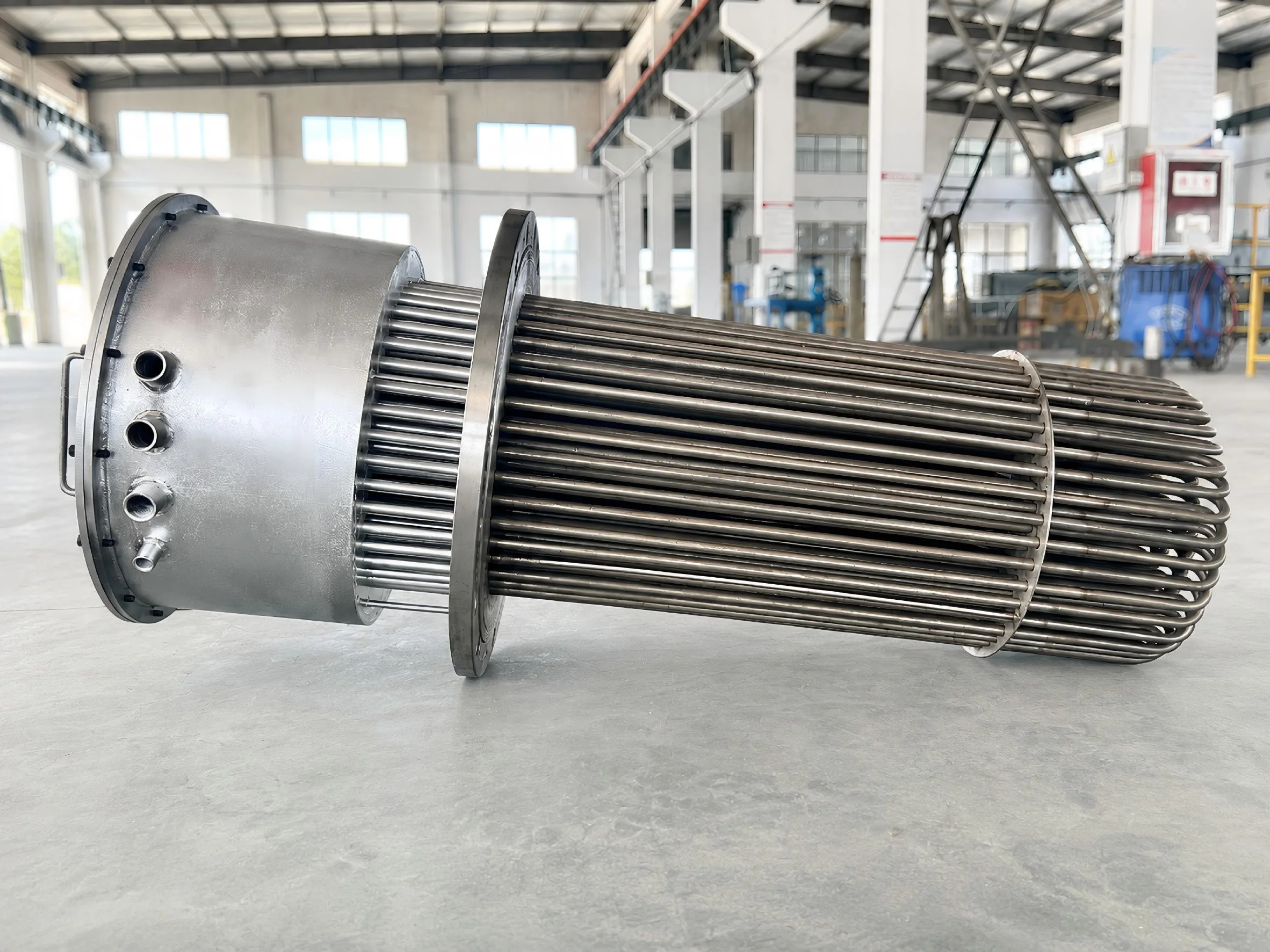
Structure of the Heater
The Electric Pipeline Heater uses a closed heating chamber installed in the process line. The medium enters through the inlet, passes around or across the electric heating element bundle, absorbs heat and exits at the required temperature.
The main structure can include a pressure-bearing shell, flanged inlet and outlet, removable heating element bundle, internal baffles or flow guides, temperature and pressure ports, drain or vent connection, terminal box, insulation and external cladding.
Gas versions are arranged to manage gas velocity, heat transfer and pressure drop. Liquid versions are arranged to maintain suitable flow around the elements and to reduce stagnant hot zones, especially for viscous oils or temperature-sensitive fluids.
Materials and Customization
Material selection starts with the exact medium, composition, temperature, pressure, moisture, impurities, corrosion level and cleaning method. A general term such as “gas” or “liquid” is not enough for final material confirmation.
Carbon steel or SS304 may be considered for common non-corrosive conditions. SS316L, SS310S, Incoloy 800/840 or selected alloys can be evaluated for corrosive, high-temperature or demanding applications.
For liquid service, element watt density and seal compatibility must also be checked against viscosity, fouling, crystallization, decomposition and allowable surface temperature. For gas service, element temperature and local airflow distribution require particular attention.

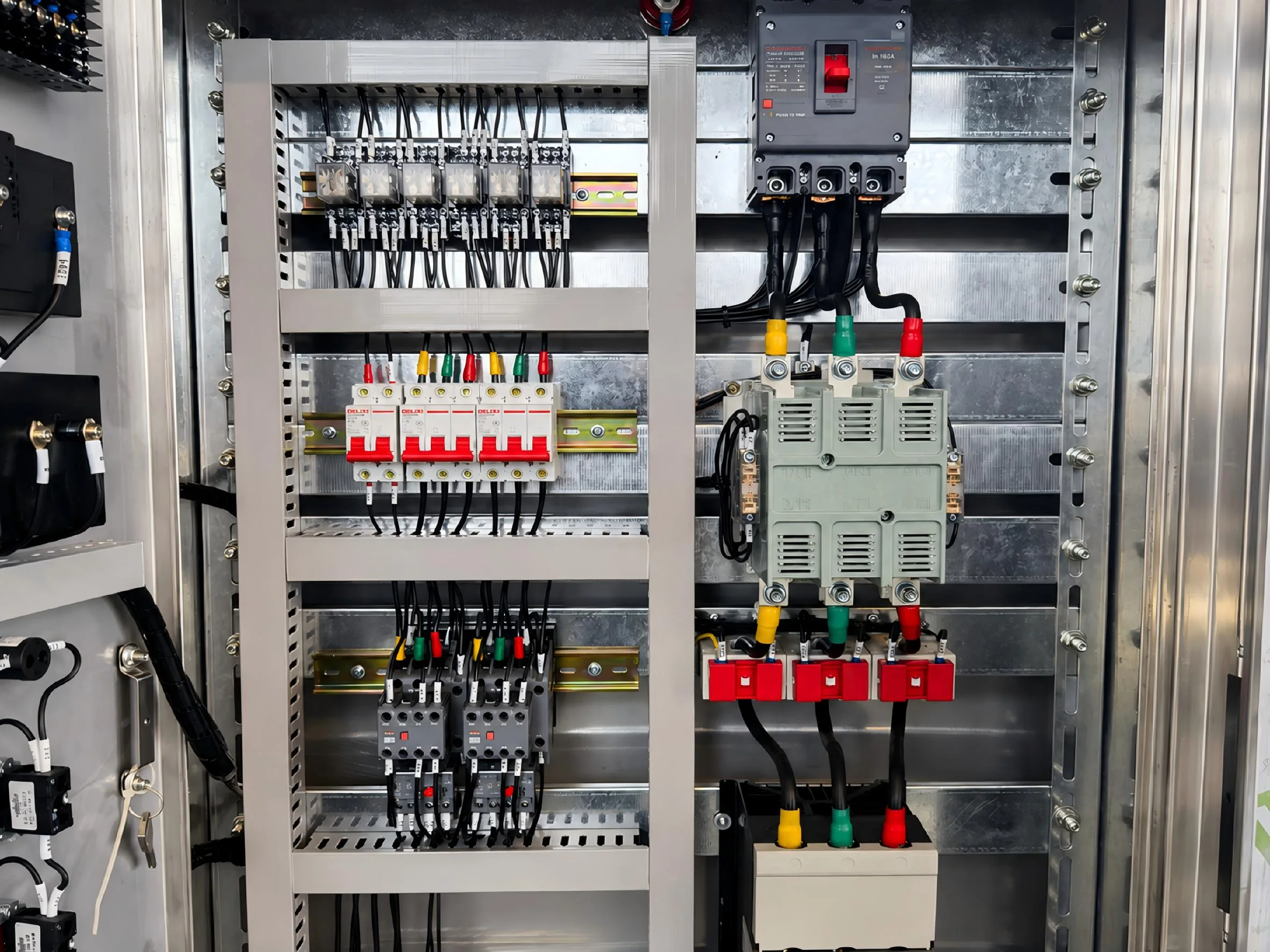
Control System
The heater can be supplied with an independent control cabinet for manual operation, automatic outlet-temperature control or PLC-based process integration.
Control options include PID closed-loop control, SCR/thyristor power regulation, staged contactor control, inlet and outlet temperature display, shell or element high-limit monitoring, local/remote selection and signal exchange with the customer’s DCS or PLC.
The required permissive and shutdown logic depends on the heating medium. Gas-service heaters normally require confirmed flow before energization, while liquid-service heaters may require pump-running, minimum-flow, low-level or full-element-wetting confirmation.
Safety Protection
Typical protection can include an independent over-temperature cutoff, flow interlock, pressure monitoring, phase-loss and phase-sequence protection, ground-fault protection, protective grounding and emergency stop.
For gas service, the heater must not be energized until the required gas flow is confirmed. For liquid service, the elements must remain fully wetted or the required circulation must be established before heating power is applied.
For hazardous-area applications, explosion-proof terminal boxes and matching electrical configurations are available. Relevant explosion-proof products have obtained Chinese explosion-proof certification Ex db IIC T1–T6 Gb. The final configuration is confirmed according to the medium, hazardous-area classification, gas group, temperature class and actual operating conditions.
Typical Applications
Electric pipeline heaters are used when a flowing gas or liquid must be heated, preheated or temperature-controlled inside a closed pipeline or circulation loop.
Compressed Air Heating
Pipeline heating before drying, testing, pneumatic conveying or industrial process use.
Nitrogen and Inert Gas Heating
Preheating for purging, protection, heat treatment and controlled process systems.
Process Gas Heating
Inline temperature control for chemical, environmental, metallurgical and manufacturing processes.
Industrial Water Heating
Heating process water, cleaning water and circulation water before downstream use.
Thermal and Hydraulic Oil Heating
Temperature maintenance and viscosity control in compatible oil circulation systems.
Crude Oil and Heavy Oil Heating
Pipeline preheating and viscosity reduction for oil transfer and processing.
Chemical Liquid Heating
Custom material and watt-density selection for compatible chemical solutions and process fluids.
Wastewater and Treatment Systems
Temperature control before biological, chemical or physical treatment processes.
Pipeline Freeze Protection
Active heating of flowing media where process temperature must remain above a specified limit.
Test and Research Systems
Controlled gas or liquid heating for equipment tests and process-development loops.
Marine and Offshore Systems
Custom water, oil or gas pipeline heating for shipboard and offshore auxiliary systems.
Skid-Mounted Heating Packages
Integration with pumps, valves, instruments and a control cabinet for factory-assembled installation.
How to Select the Right Electric Pipeline Heater
Start with the medium. Once the gas or liquid type is confirmed, provide the following process data so the heater can be designed correctly.
1. Heating Medium
State whether the medium is gas or liquid and provide its name, composition, moisture, solids, viscosity, corrosion and flammability information where applicable.
2. Flow Rate
Provide normal, minimum and maximum flow in the operating pipeline or circulation loop.
3. Inlet Temperature
State normal and lowest inlet temperature, including winter or startup conditions.
4. Required Outlet Temperature
Provide target outlet temperature and allowable temperature tolerance.
5. Working Pressure
Provide normal pressure, maximum design pressure and pressure fluctuation.
6. Allowable Pressure Drop
State the maximum acceptable pressure loss across the heater.
7. Medium Properties
For gas: composition, moisture, dust and combustibility. For liquid: viscosity, corrosion, solids and thermal stability.
8. Pipeline and Connection
Provide pipe size, flange or thread standard, pressure rating and flow direction.
9. Installation Layout
Confirm horizontal or vertical installation and available maintenance-removal space.
10. Power Supply
Provide voltage, phase and frequency, such as 380V 3-phase 50Hz or 480V 3-phase 60Hz.
11. Control Requirement
Confirm PID, SCR, PLC, remote operation, DCS signal and temperature-display requirements.
12. Safety Interlocks
Define flow, pressure, pump, level, over-temperature and emergency-stop requirements.
13. Hazardous Area
Provide area classification, gas group and temperature class when explosion-proof design is required.
14. Material Requirements
State mandatory shell, element, gasket, cleanliness or corrosion requirements.
15. Supply Scope
Confirm heater body only, heater plus control cabinet, or a complete skid package with pump, valves and instruments.
Frequently Asked Questions
Common questions about Electric Pipeline Heater selection, customization and industrial use.
What is an Electric Pipeline Heater?
Can one pipeline heater design be used for both gas and liquid?
What is the difference between a pipeline heater, inline heater and circulation heater?
What information is required for selection?
Can it be supplied with a control cabinet or skid system?
How is an Electric Pipeline Heater different from an Electric Inline Process Gas Heater?
How is an Electric Pipeline Heater different from an Electric Inline Process Liquid Heater?
Related Heating Solutions
Related heating solutions: Electric Inline Process Gas Heater , Electric Inline Process Liquid Heater , Skid-Mounted Electric Heating System .
Why Choose Xiangyuan Machinery
Xiangyuan Machinery designs electric pipeline heaters around confirmed process data rather than applying one generic structure to every gas and liquid duty. Gas and liquid services are engineered separately according to medium properties, flow rate, temperature rise, pressure, materials and required safety interlocks.
Thermal & Material Engineering
Gas and liquid pipeline heater designs available within one industrial product family. Thermal calculation based on medium properties, flow rate, temperature rise and heat loss.
Flexible Mechanical Arrangement
Pressure-bearing shell, connection and flow-path design matched to the pipeline conditions.
Control & Safety Integration
Material and watt-density selection based on temperature, corrosion, viscosity and fouling risk. PID, SCR, staged control, PLC and customer DCS interface options.
Complete Project Supply
Medium-specific flow, pressure, pump, level, dry-heating and over-temperature interlocks. Supply options from a standalone heater to a complete factory-assembled skid package.
Need an Electric Pipeline Heater for Gas or Liquid?
Send the medium, composition, flow rate, inlet and outlet temperatures, working pressure, pipeline size, voltage, installation layout and control requirements. Xiangyuan Machinery will identify the correct gas or liquid heater configuration and prepare a technical proposal.