

CUSTOM HIGH-VISCOSITY OIL HEATER
Electric Heavy Oil Heater
Custom electric heating equipment for heavy oil, residual fuel oil and high-viscosity oil circulation, transfer and burner-feed systems.
The Electric Heavy Oil Heater is an industrial electric heating unit designed to raise the temperature of heavy oil and other compatible high-viscosity oils for circulation, pumping, transfer, storage handling and burner-feed systems. Selection is based on viscosity, pour point, flow, temperature rise, pressure and fouling tendency.
Heating power, shell and element materials, watt density, flow passages, control method and safety interlocks can be engineered according to the oil properties and process requirements.
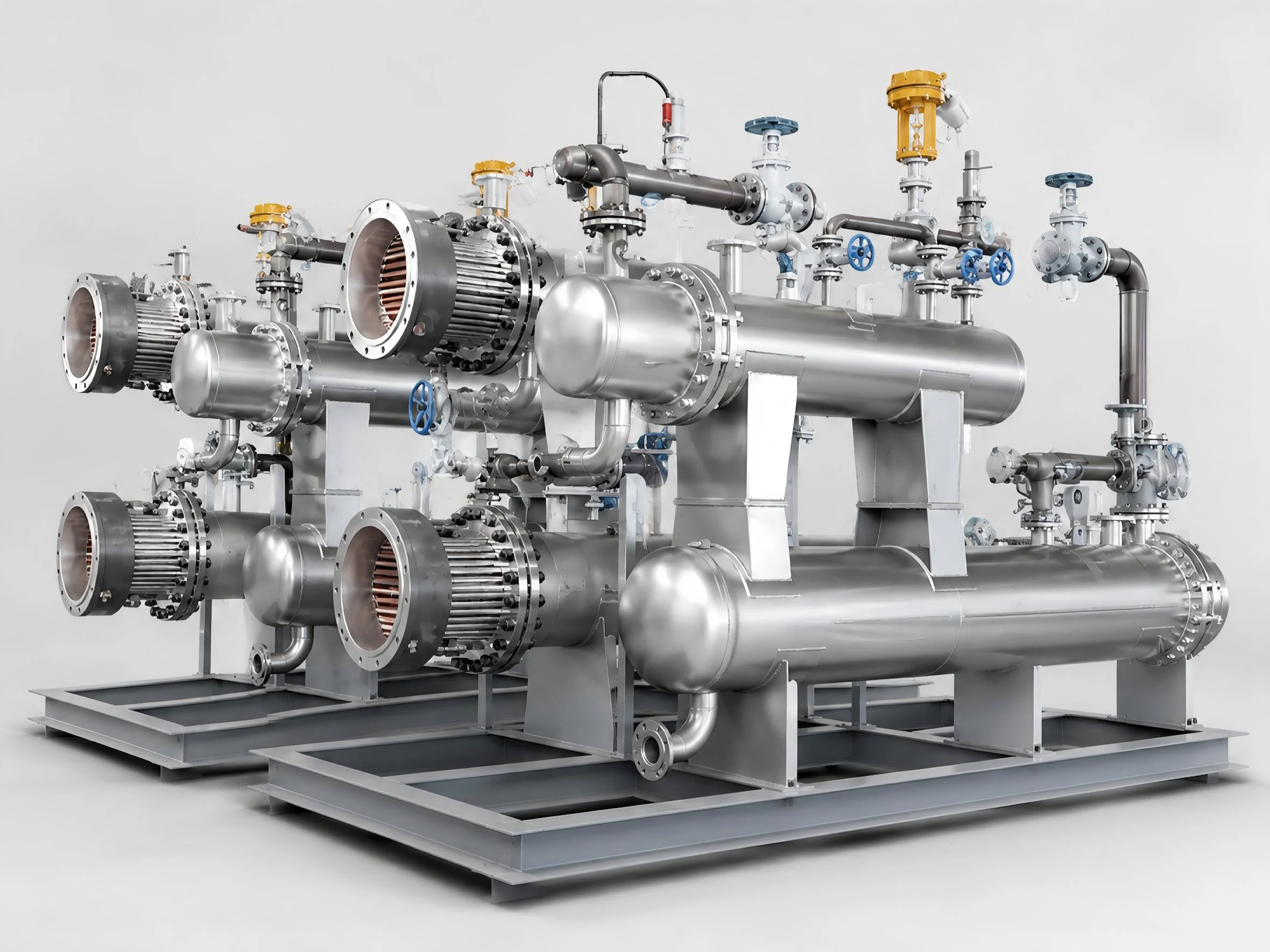
Product Overview
The Electric Heavy Oil Heater provides direct inline or circulation heating for heavy oil, residual fuel oil and compatible high-viscosity fluids. Controlled heating can improve pumpability and transfer when the selected temperature remains within the oil and process limits.
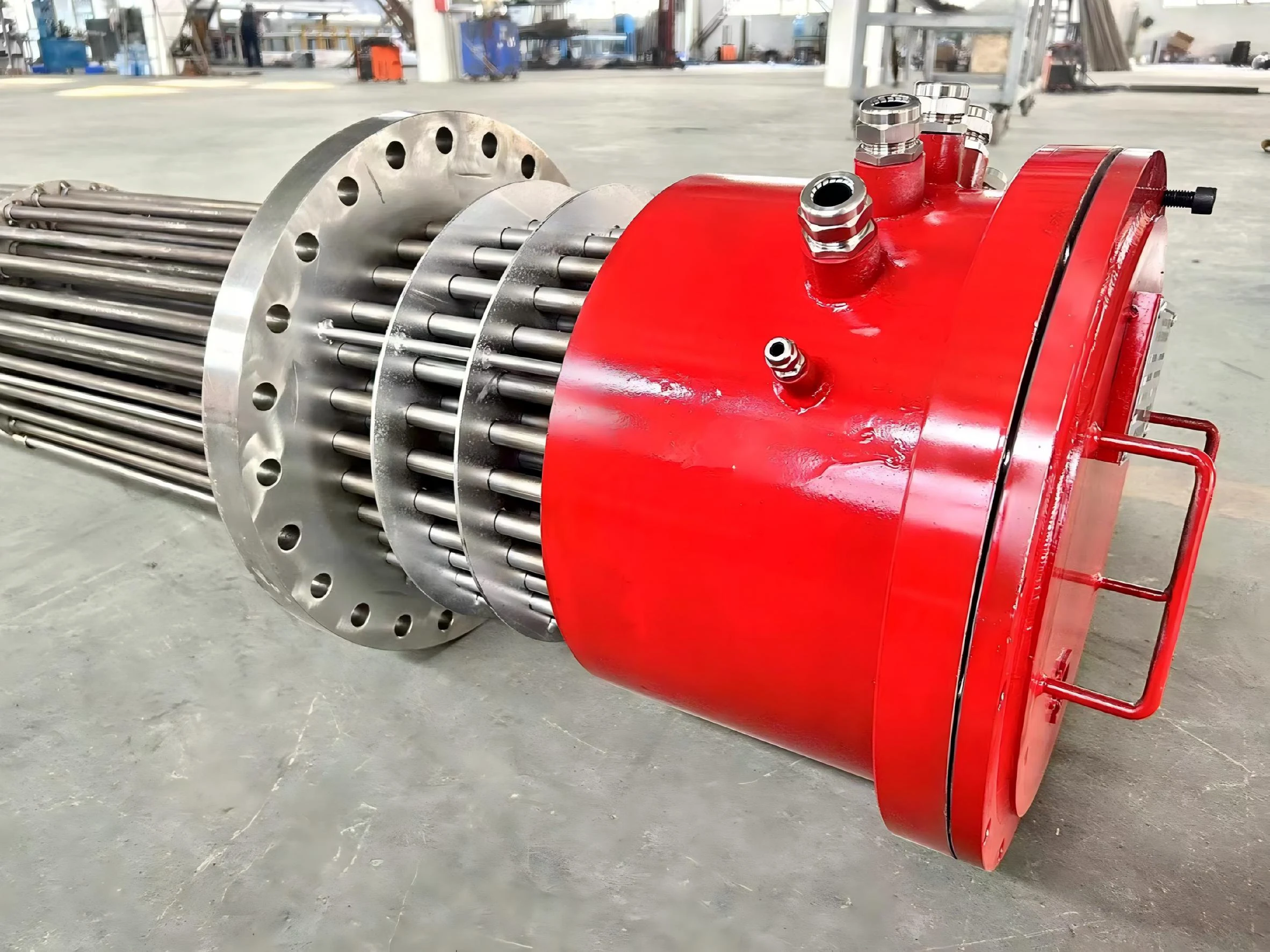
A typical unit includes a pressure-bearing shell, removable flanged heating element bundle, inlet and outlet nozzles, terminal box, insulation, temperature sensors and supports. The element arrangement and surface loading are selected to limit localized overheating and fouling.
Compared with a crude-oil heater, heavy-oil service normally places greater emphasis on viscosity, startup circulation, pour point, wax or residue, low watt density and cleaning access.
Xiangyuan Machinery can supply the heater only, a heater with control cabinet, or a complete circulation and transfer package.
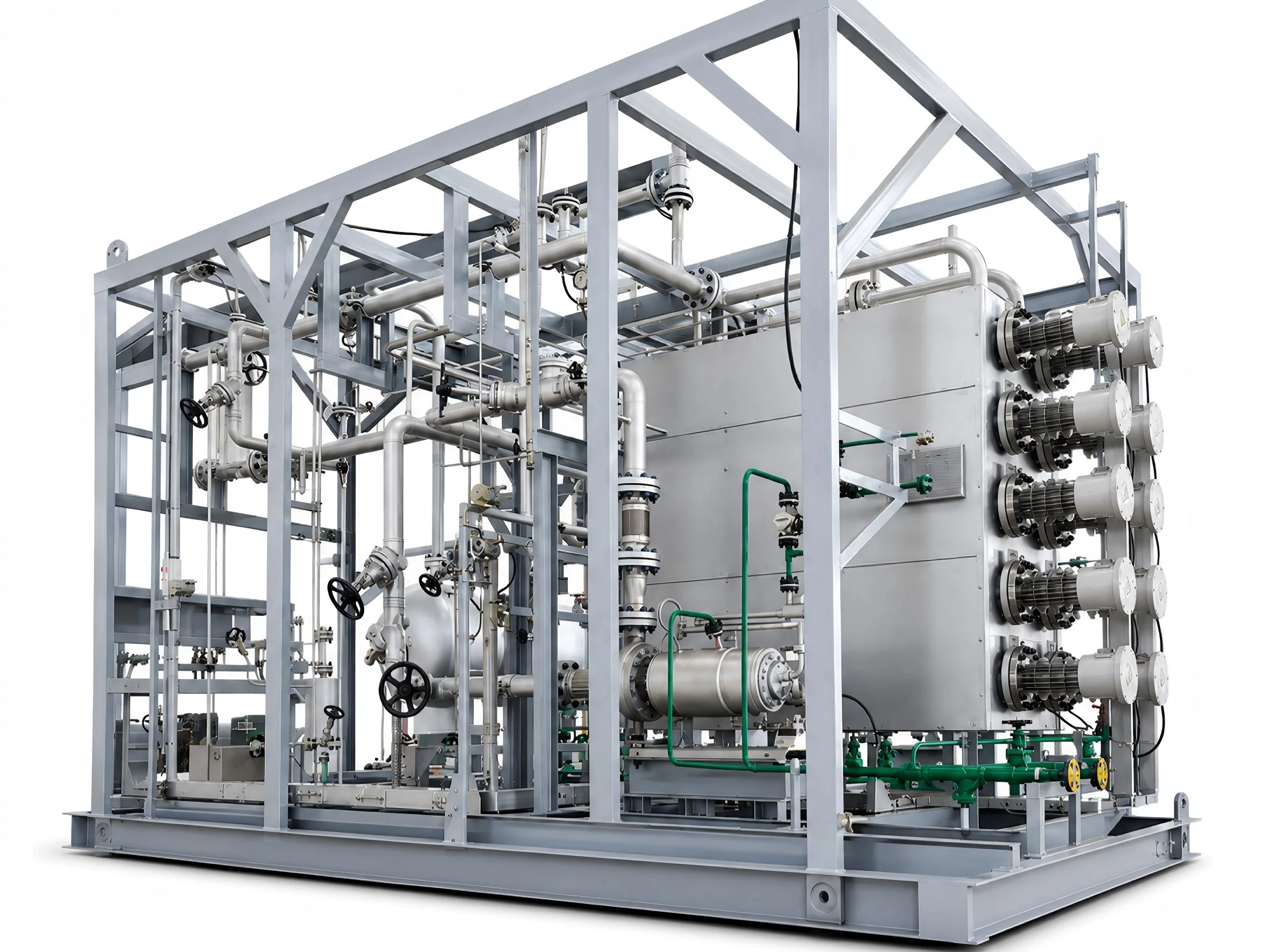
Key Features
High-Viscosity Duty Design
Heating power is calculated from flow, density, specific heat capacity, inlet temperature and required outlet temperature, while viscosity is considered in the hydraulic design, flow-path selection and watt-density control.
Low Watt-Density Elements
Lower surface loading can reduce localized overheating and deposit formation.
Startup Circulation Logic
Power can be staged after pump and minimum-flow confirmation.
Removable Element Bundle
Flanged construction provides cleaning and maintenance access.
Pressure-Bearing Housing
Shell and connections are engineered for the stated oil-system pressure.
Oil-Compatible Materials
Material options are selected from temperature, sulfur, water and corrosive components.
Stable Temperature Control
PID and SCR regulation can control outlet or circulation temperature.
Pump, Flow and Sheath-Temperature Interlocks
Pump status, low flow and element temperature can be included in protection logic.
Packaged Circulation System
Pump, strainer, valves, instruments, controls and piping can be skid mounted.
Typical Technical Parameters
The following parameters are for reference only. Final design is confirmed according to heavy-oil type, viscosity curve, pour point, flow, inlet and outlet temperatures, operating and design pressure, fouling tendency and project requirements.
| Parameter | Customizable Range or Options |
|---|---|
| Product Name | Electric Heavy Oil Heater |
| Heating Medium | Heavy oil, residual fuel oil or compatible high-viscosity oil |
| Heating Power | Typically 2 kW to 2000 kW, or custom |
| Oil Flow | Specified in m³/h or kg/h, together with the corresponding operating temperature and density where applicable |
| Inlet / Outlet Temperature | Customized according to viscosity and oil limits |
| Working Pressure | According to operating and design pressure |
| Viscosity / Pour Point | Required for thermal and hydraulic selection |
| Operating Mode | Inline transfer, circulation, batch or startup heating |
| Connection | Flanged or custom pipeline connection |
| Shell Material | Carbon steel, SS304, SS316L or selected material |
| Heating Element Material | SS304, SS316L, Incoloy 800, Incoloy 840 or selected alloy |
| Watt Density | Selected according to oil properties and fouling risk |
| Control Method | PID, SCR, staged control or PLC |
| Power Supply | 380–415 V, three-phase, 50/60 Hz, or customized according to project requirements |
| Protection Options | Over-temperature protection, minimum-flow interlock, pump-running permissive, pressure monitoring, element-sheath temperature monitoring, phase-loss and phase-sequence protection, earth-leakage protection, grounding and emergency stop |
| Optional Supply | Pump, strainer, valves, instruments, control cabinet, piping and skid frame |
Structure, Materials, Control and Safety
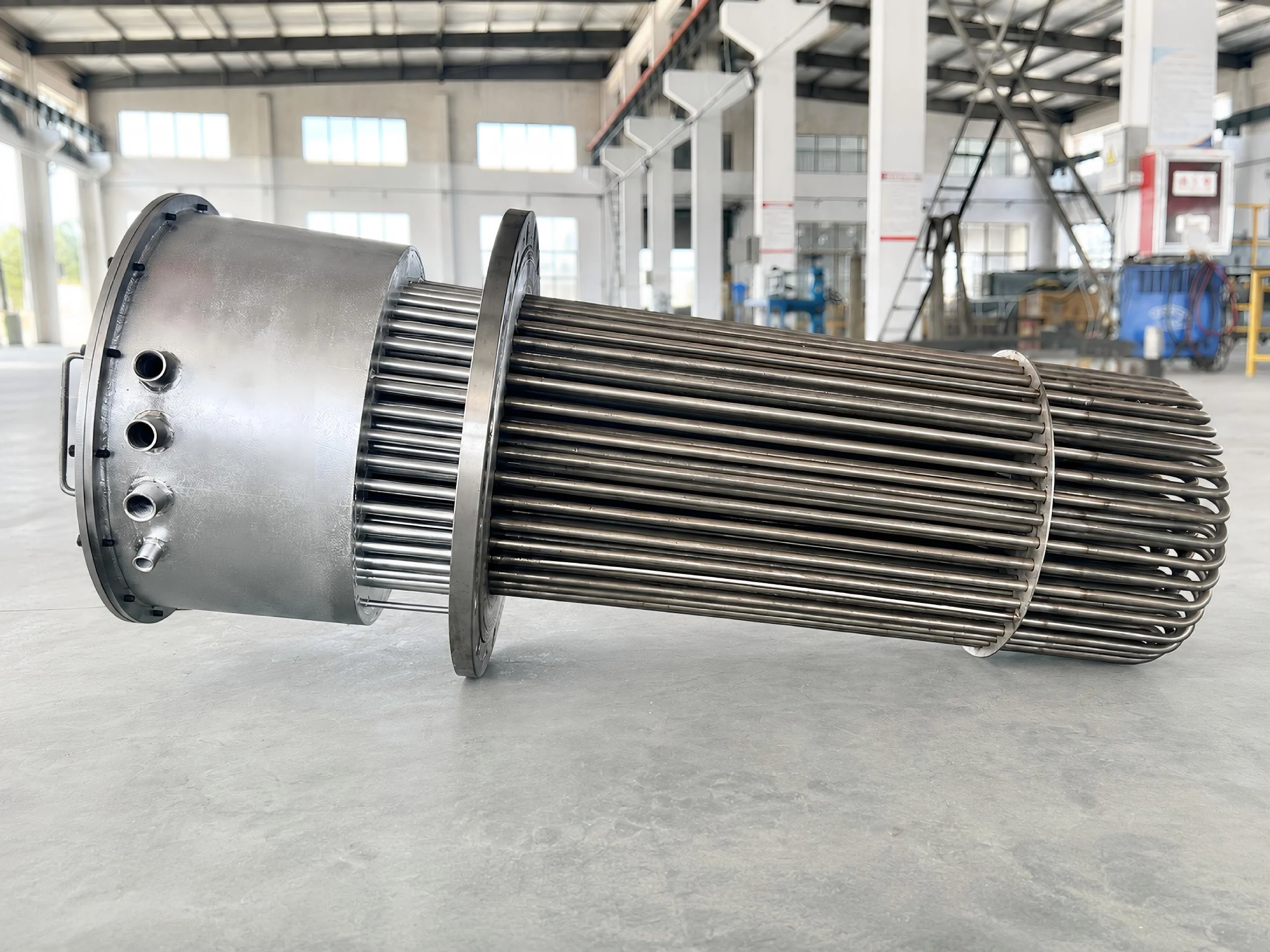
Structure of the Heater
The heater normally uses a pressure-bearing shell with inlet and outlet nozzles and a removable flanged heating element bundle. The shell diameter and internal flow path are selected to achieve suitable velocity and heat transfer for viscous oil.
Temperature sensors can monitor inlet, outlet and element-sheath conditions. Flow, pressure and differential-pressure instruments can be included. Drain, vent and cleaning access are considered because heavy oil can leave deposits.
A complete package can include a circulation pump, strainer, isolation and bypass valves, instruments, control cabinet, insulated piping and skid frame.
Materials and Customization
Material selection depends on heavy-oil composition, sulfur, water, solids, operating temperature and corrosion risk. Carbon steel can be considered for many shells, while stainless steel or selected alloys may be used for wetted parts and elements where required.
Element sheath and watt density are selected to keep surface temperature within a suitable range for the oil. The design can use larger heat-transfer area, staged power and circulation to manage high viscosity and fouling risk.
Connection rating, bundle size, element arrangement, insulation, terminal-box direction, support and skid layout can be customized.

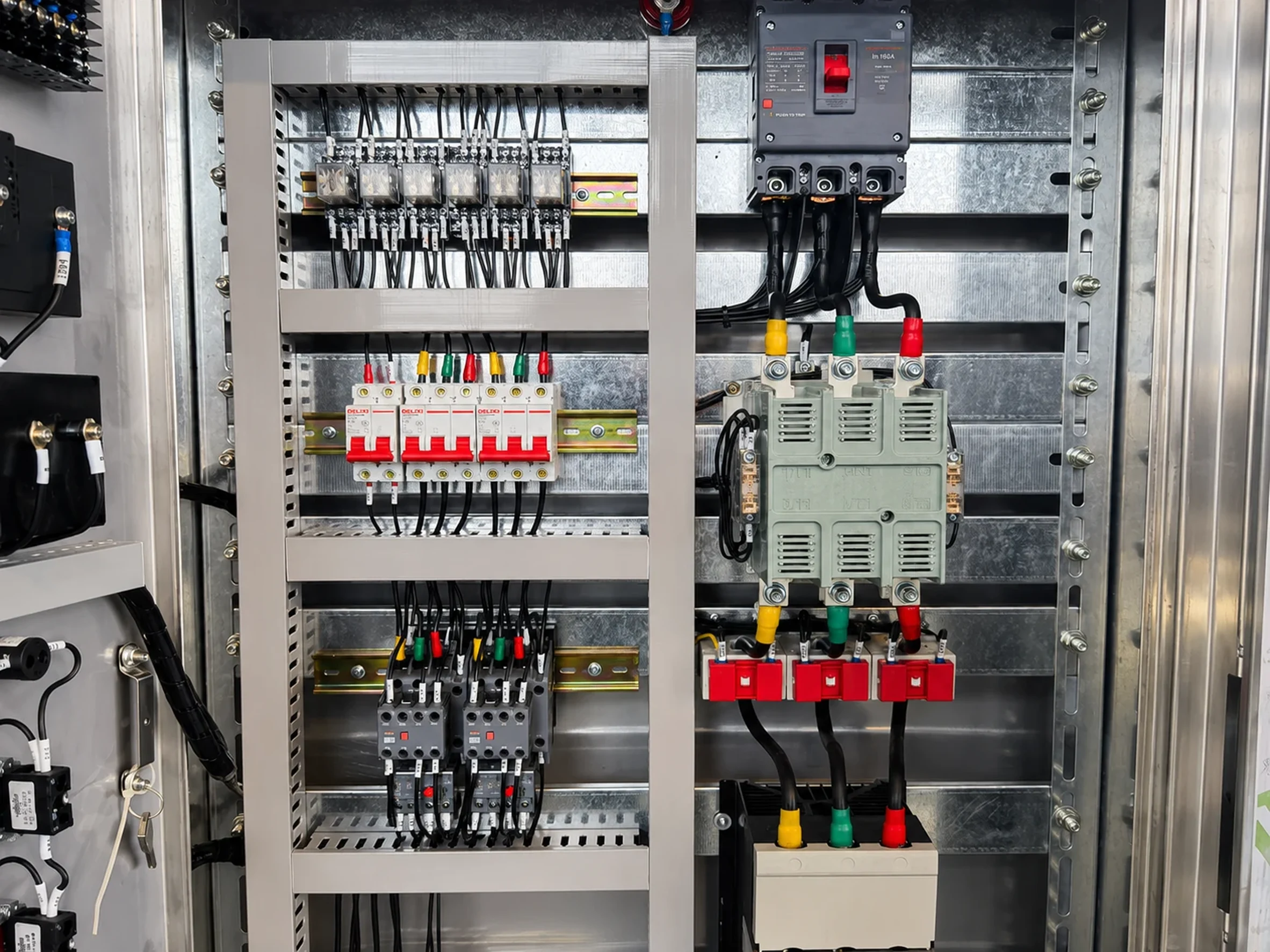
Control System
Outlet or circulation temperature can be controlled by PID with SCR power regulation. Staged control can limit initial load during cold startup and increase power after confirmed circulation.
Pump-running, minimum-flow, valve permissive, inlet and outlet temperature, sheath temperature and pressure signals can be integrated into a PLC or control cabinet.
Local/remote operation, HMI, alarm output and DCS communication can be included according to the project.
Safety Protection
Typical protection includes an independent over-temperature cutout, pump-running permissive, minimum-flow trip, element-sheath temperature monitoring, pressure monitoring, phase-loss and phase-sequence protection, earth-leakage protection, grounding and emergency stop.
The heater should not energize with stagnant or insufficient oil. Startup sequencing should consider viscosity and pump capability so that circulation is established before full power is applied.
For hazardous-area projects, explosion-proof terminal-box and heater configurations can be evaluated according to the confirmed site classification and temperature class. Certification requirements for the destination market should be confirmed before quotation and final design.
Typical Applications
Heavy-Oil Pipeline Transfer
Heating heavy oil to support pumping and pipeline movement.
Fuel-Oil Burner Feed
Conditioning residual fuel oil before compatible burner systems.
Storage-Tank Circulation
Heating heavy oil through an external circulation loop.
Loading and Unloading
Improving pumpability during truck, rail or marine transfer.
Marine Fuel Systems
Heating compatible heavy fuel oil in industrial marine systems.
Refinery and Terminal Service
Conditioning residual or high-viscosity oils before transfer.
Cold-Weather Startup
Warming oil lines, pumps and equipment during low-temperature startup.
Process Equipment Feed
Heating high-viscosity oil before selected production equipment.
Waste-Oil Treatment
Heating compatible waste-oil streams before separation or treatment.
Pilot and Test Systems
Controlled heating for oil-property and process testing.
Skid-Mounted Circulation
Combining heater, pump, strainer and control equipment.
Temporary Heating Packages
Providing modular heating during commissioning or maintenance.
How to Select the Right Electric Heavy Oil Heater
1. Oil Type
Provide heavy oil, residual fuel oil or other oil description.
2. Viscosity Curve
Provide viscosity at inlet and target temperatures.
3. Pour Point and Flash Point
Provide relevant oil limits and safety data.
4. Flow Rate
Provide the minimum, normal and maximum heavy-oil flow, including the unit and corresponding operating temperature.
5. Inlet Temperature
Provide minimum, normal and maximum inlet temperature.
6. Required Outlet Temperature
State target and allowable tolerance.
7. Operating and Design Pressure
Provide normal, maximum and design pressure.
8. Fouling and Solids
Describe residue, wax, solids and cleaning needs.
9. Operating Mode
Confirm transfer, circulation, batch or startup duty.
10. Power Supply
Provide voltage, phase and frequency.
11. Connection and Layout
Provide flange and installation details.
12. Material Requirement
State corrosion and alloy requirements.
13. Control Method
Confirm PID, SCR, PLC, HMI or DCS.
14. Pump and Safety Signals
List pump, flow, pressure and temperature interlocks.
15. Site Classification
Provide ambient, IP and hazardous-area data.
Frequently Asked Questions
Common questions about Electric Heavy Oil Heater selection, customization and industrial use.
What is an Electric Heavy Oil Heater?
How is it different from a crude-oil heater?
What information is required for selection?
Can it be supplied with a circulation pump?
What safety protection is recommended?
Related Heating Solutions
For produced crude-oil heating, see Electric Crude Oil Heater. For a closed-loop heat-transfer fluid system, see Electric Thermal Oil Heater. For modular packaged equipment, see Skid-Mounted Electric Heating System.
Why Choose Xiangyuan Machinery
Xiangyuan Machinery designs heavy-oil heaters around viscosity, flow, startup conditions, watt density, fouling risk and site layout.
Thermal & Material Engineering
High-viscosity thermal and hydraulic selection. Low watt-density and removable-bundle designs.
Flexible Mechanical Arrangement
Startup sequencing with pump and flow interlocks.
Control & Safety Integration
Material options according to oil composition. PID, SCR, PLC and remote control interfaces.
Complete Project Supply
Heater-only or complete circulation skid. Inspection, electrical testing and project documentation.
Send Us Your Heavy-Oil Conditions
Provide oil type, viscosity curve, flow, inlet and outlet temperatures, pressure, fouling data, voltage, connection and site classification. Xiangyuan Machinery will prepare a technical proposal and quotation.