

Electric Heating Elements
Introduction
Xiangyuan manufactures customized electric heating elements for industrial air heaters, liquid heaters, duct heaters, tank heaters, ovens, heating systems, and process equipment.
Our heating element products include cartridge heaters, tubular heating elements, finned tubular heating elements, flanged immersion heaters, custom-shaped heating elements, electric resistance strips, and high-density heating elements.
Heating elements can be customized according to power, voltage, sheath material, diameter, length, shape, terminal connection, working temperature, heating medium, installation method, and equipment structure.
Why Choose Our Electric Heating Elements
✔ Custom element diameter, length, shape, watt density, and terminal structure
✔ Material selection for air, gas, water, oil, chemical liquid, molds, tanks, and ovens
✔ Cartridge, tubular, finned, flanged, resistance strip, and custom-formed designs
✔ High-purity magnesium oxide insulation and application-specific sealing options
✔ Suitable for OEM equipment, industrial heaters, and process heating systems
✔ Inspection and testing support before shipment
Typical Technical Parameters
| Parameter | Typical Range / Options |
|---|---|
| Product Type | Cartridge heater, tubular heating element, finned tubular heating element, flanged immersion heater, custom-shaped heating element, resistance strip, and high-density heating element |
| Heating Medium | Air, gas, water, oil, chemical liquid, mold, tank, duct, oven, and industrial equipment |
| Power & Voltage | Customized according to equipment requirements |
| Sheath Materials | SS304, SS316L, SS310S, Incoloy 800/840, nickel-based alloy, copper, or selected materials |
| Element Shape | Straight, U-shaped, W-shaped, spiral, finned, flanged, cartridge, or custom-formed |
| Terminal Type | Screw terminal, lead wire, threaded terminal, ceramic terminal, or custom connection |
| Insulation Material | High-purity magnesium oxide insulation |
| Surface Treatment | Polishing, passivation, anti-corrosion treatment, or customized surface treatment |
| Testing | Insulation resistance, withstand voltage, leakage current, dimensional inspection, and functional testing |
| Custom Design | Diameter, length, watt density, sheath material, bending shape, flange size, and terminal structure |
Engineering, Safety & Documentation
Each heating element can be customized according to heating medium, surface load, working temperature, installation structure, material compatibility, and electrical safety requirements.
Element Structure Design
Element diameter, length, bending shape, flange, fins, and terminal structure can be customized according to equipment layout.
Material & Watt Density
Sheath material and surface load can be selected according to heating medium, temperature, corrosion level, and service life requirements.
Terminal & Sealing Design
Terminal connection, lead wire, sealing method, and insulation structure can be designed for different installation environments.
Inspection & Testing
Insulation resistance, withstand voltage, leakage current, dimensional inspection, and functional testing can be performed before shipment.
Where Our Heating Elements Are Used
Xiangyuan electric heating elements can be customized for air heaters, duct heaters, immersion heaters, tank heaters, drying equipment, ovens, furnaces, and OEM industrial heating equipment.
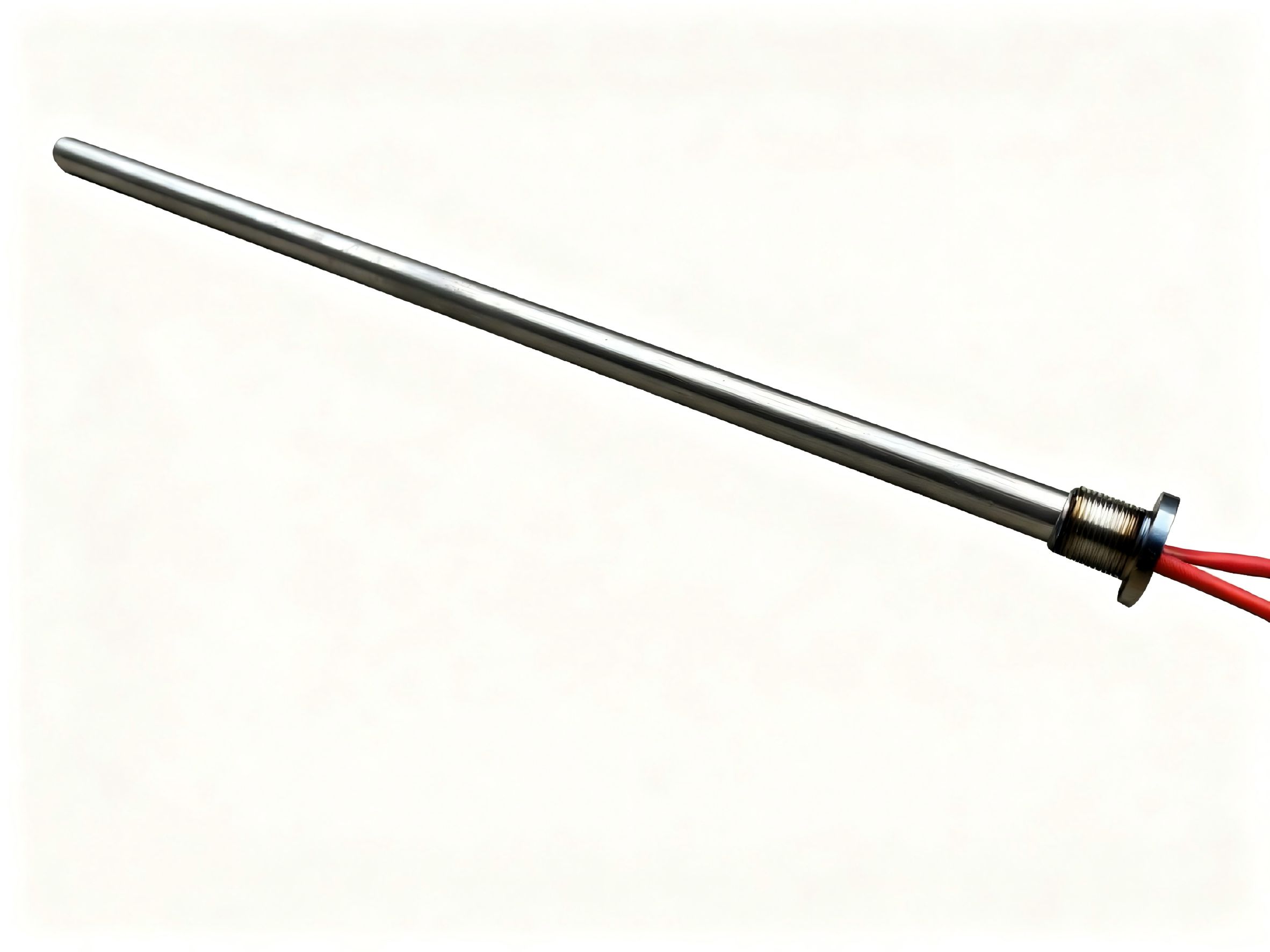
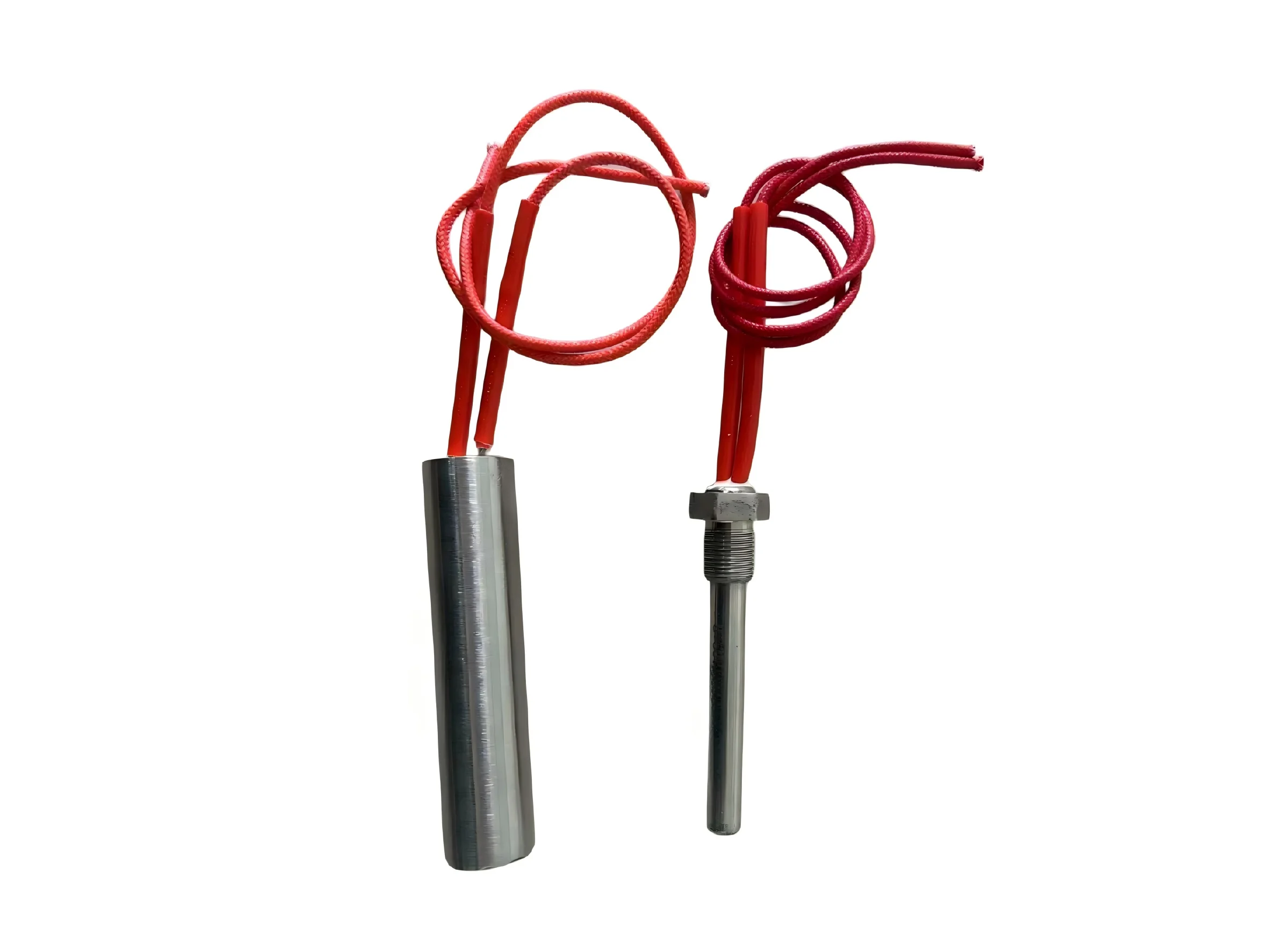
Cartridge Heater
Description
Single-end cartridge heaters are designed for compact equipment heating where heat must be delivered through a small installation space. Diameter, length, watt density, terminal connection, lead wire, and sheath material can be customized according to equipment structure.
Applications
Mold heating, tank heating, machinery heating, packaging equipment, plastic machinery, sealing equipment, and compact industrial heating applications.
Typical Design Options
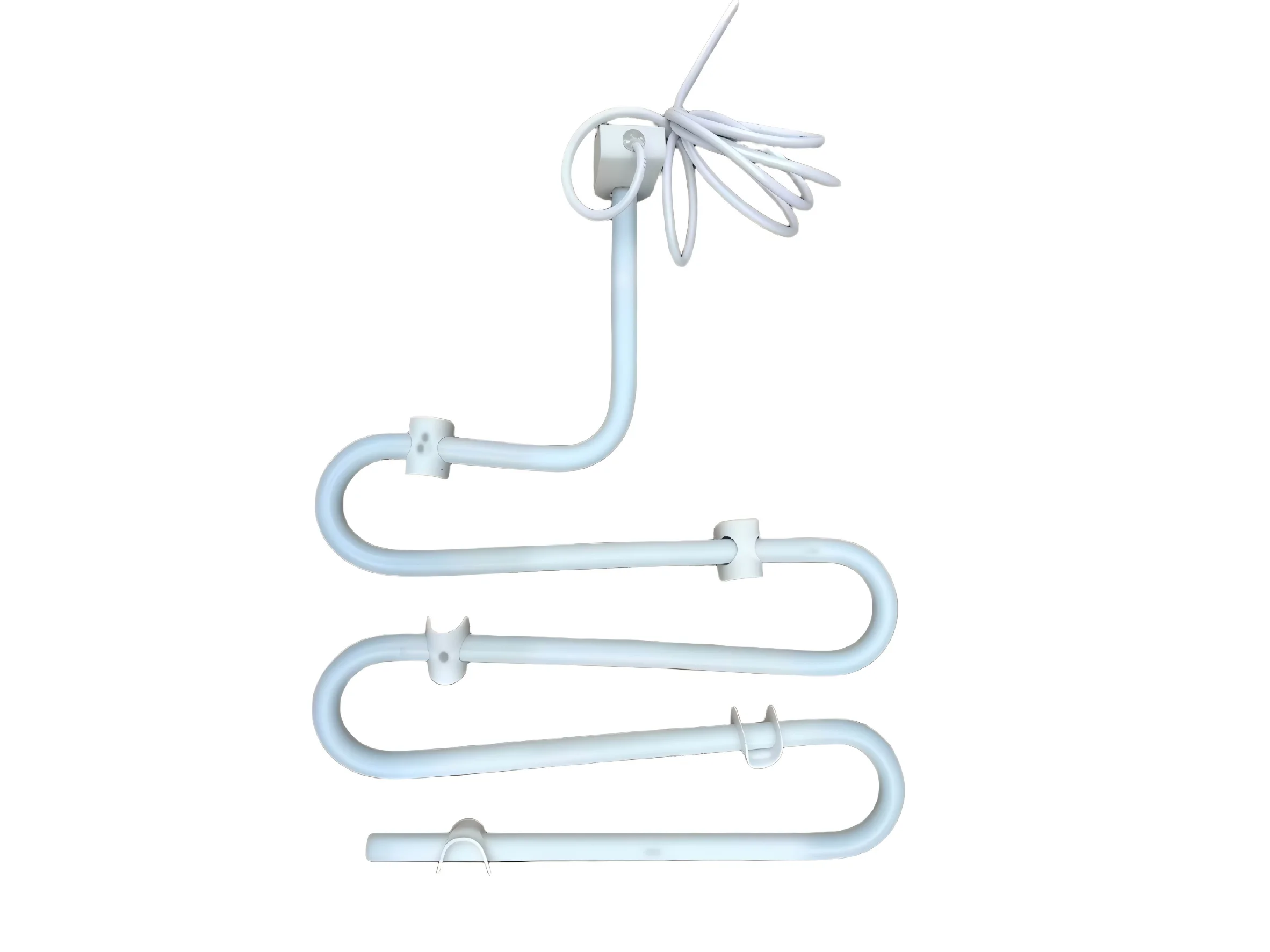
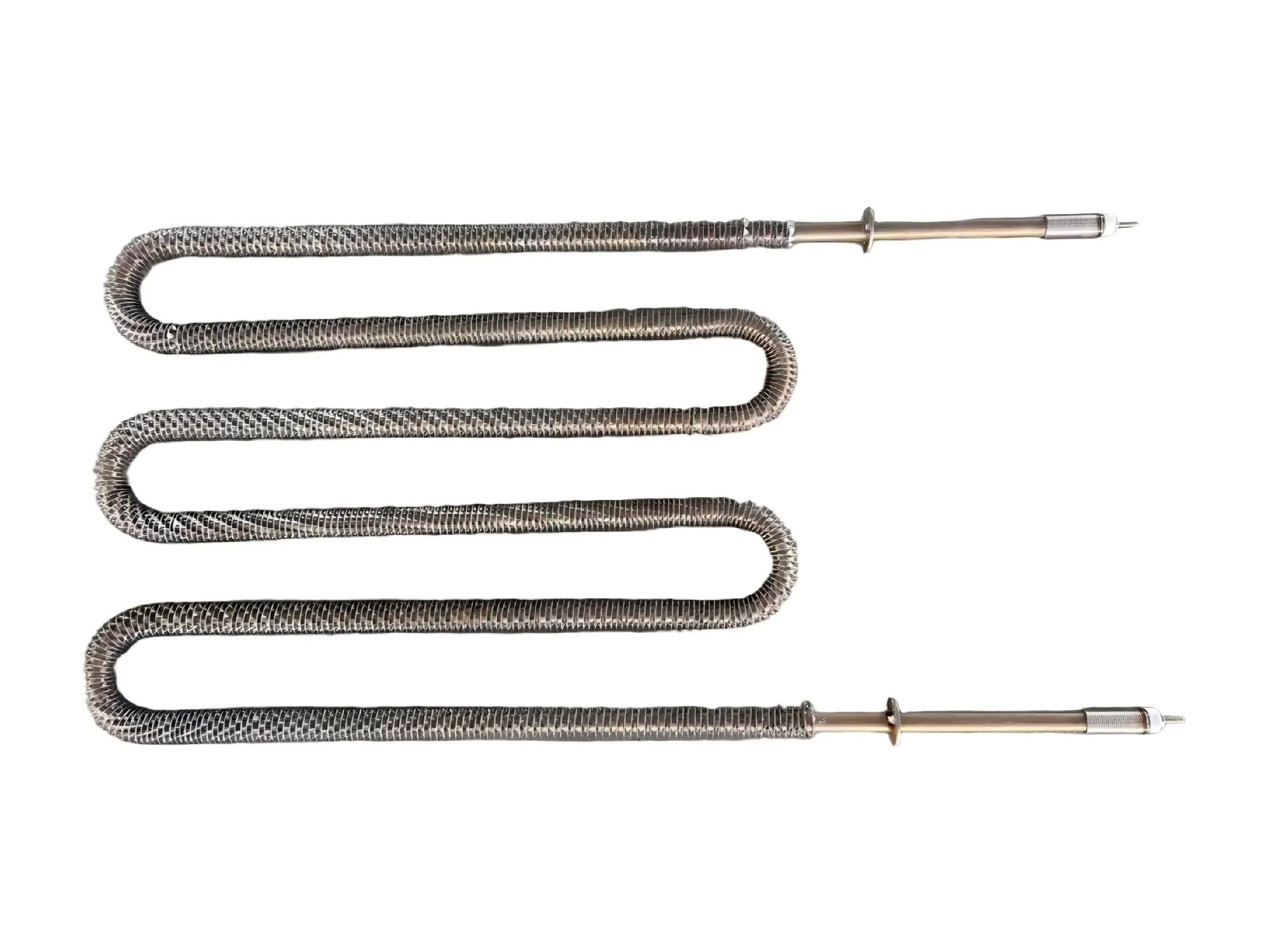
Tubular Heating Element
Description
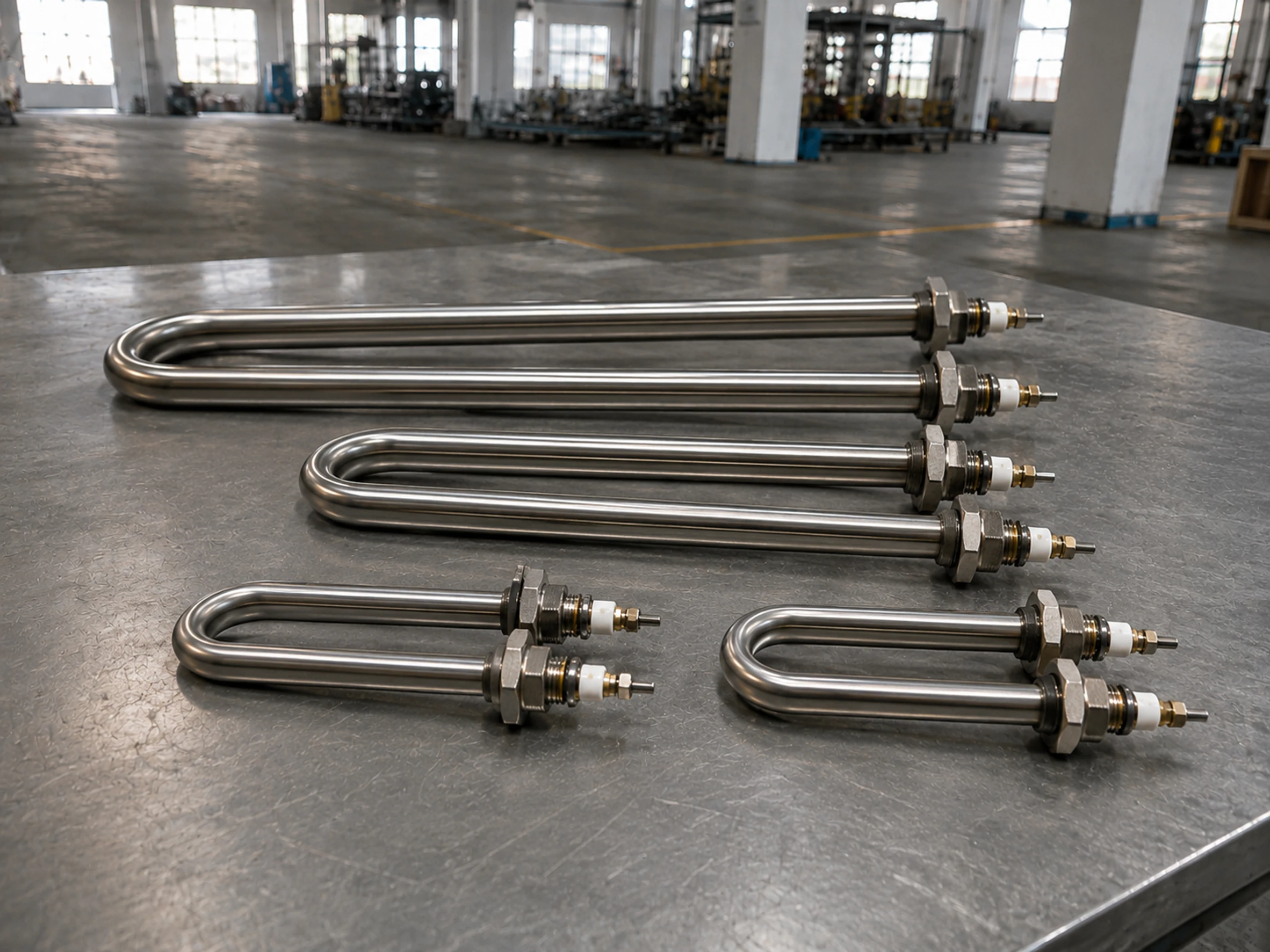
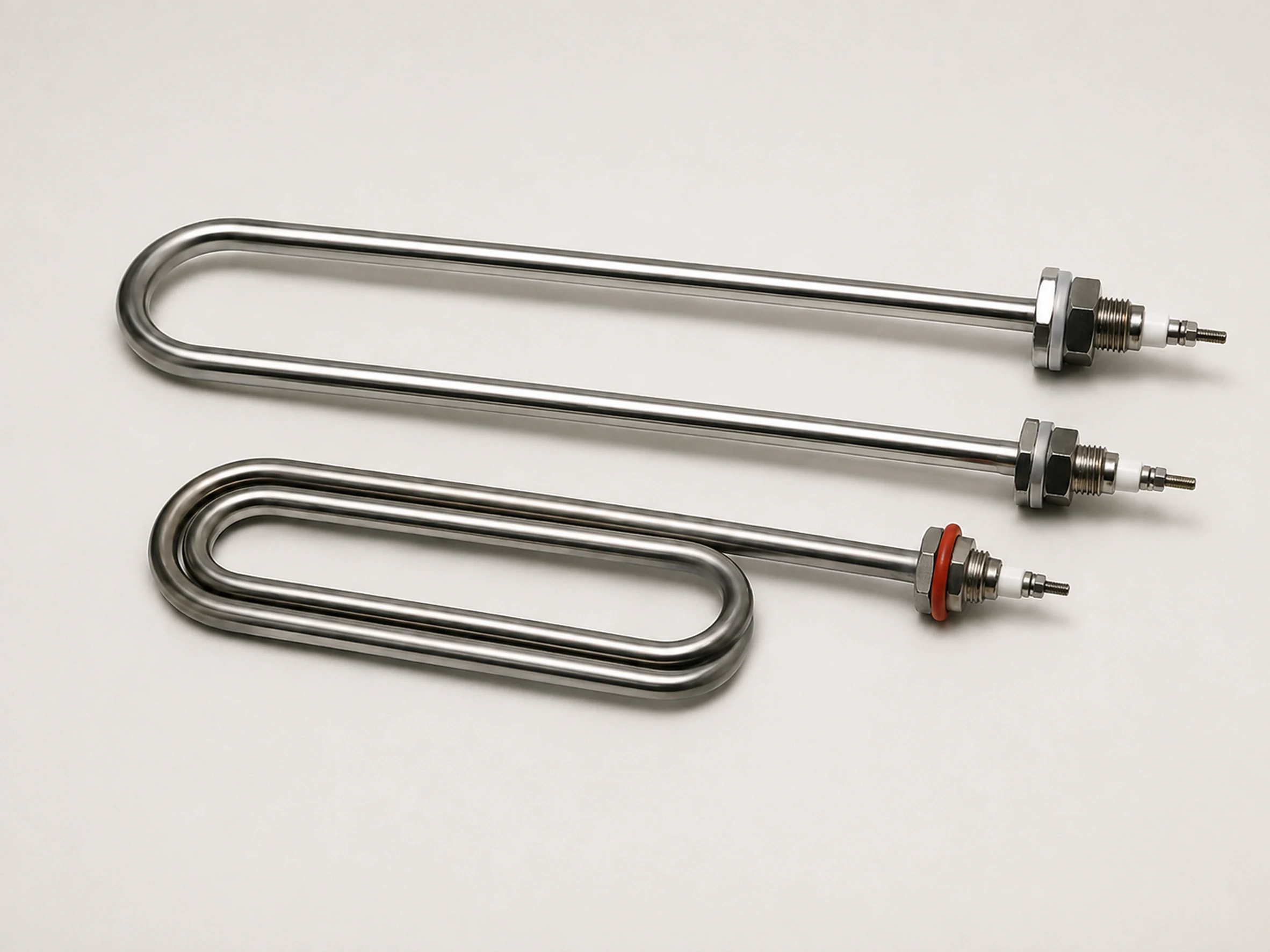
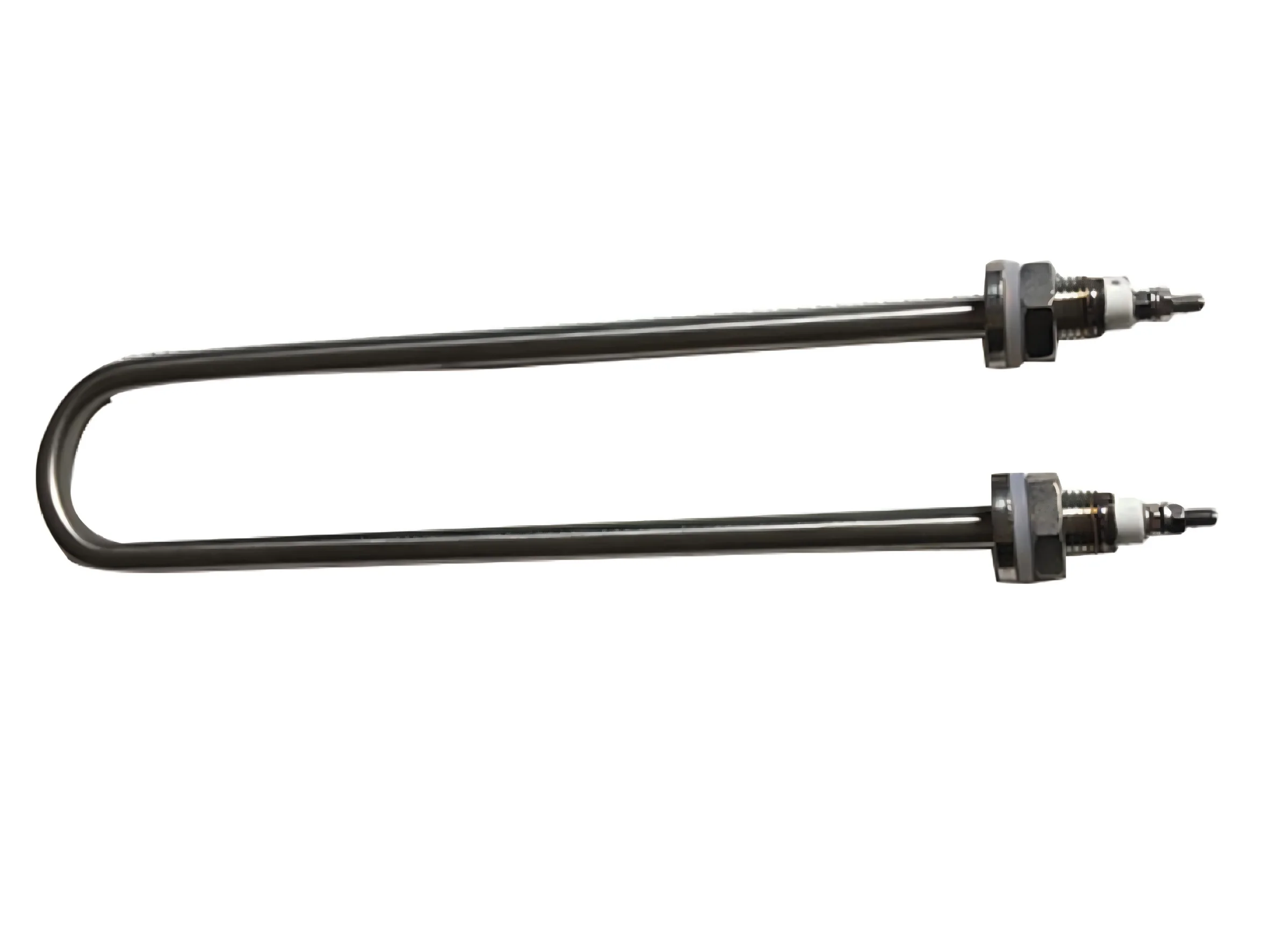
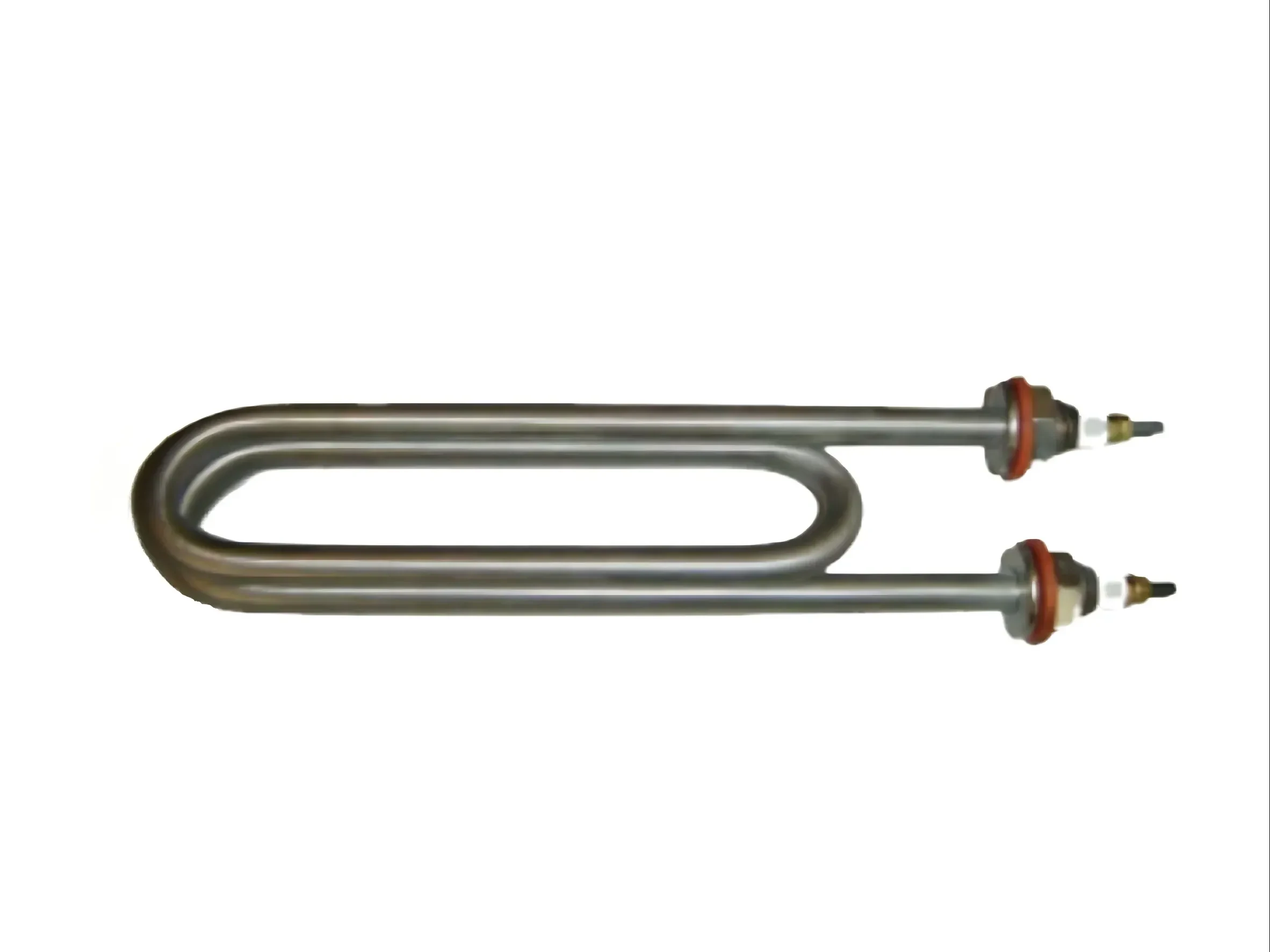
Double-end tubular heating elements can be supplied in straight, U-shape, W-shape, or custom-bent forms for air, liquid, oven, tank, duct, and industrial equipment heating. Sheath material and watt density can be selected according to the heating medium.
Applications
Air heating, liquid heating, ovens, tanks, ducts, drying equipment, industrial heaters, process equipment, and custom heating assemblies.
Typical Design Options
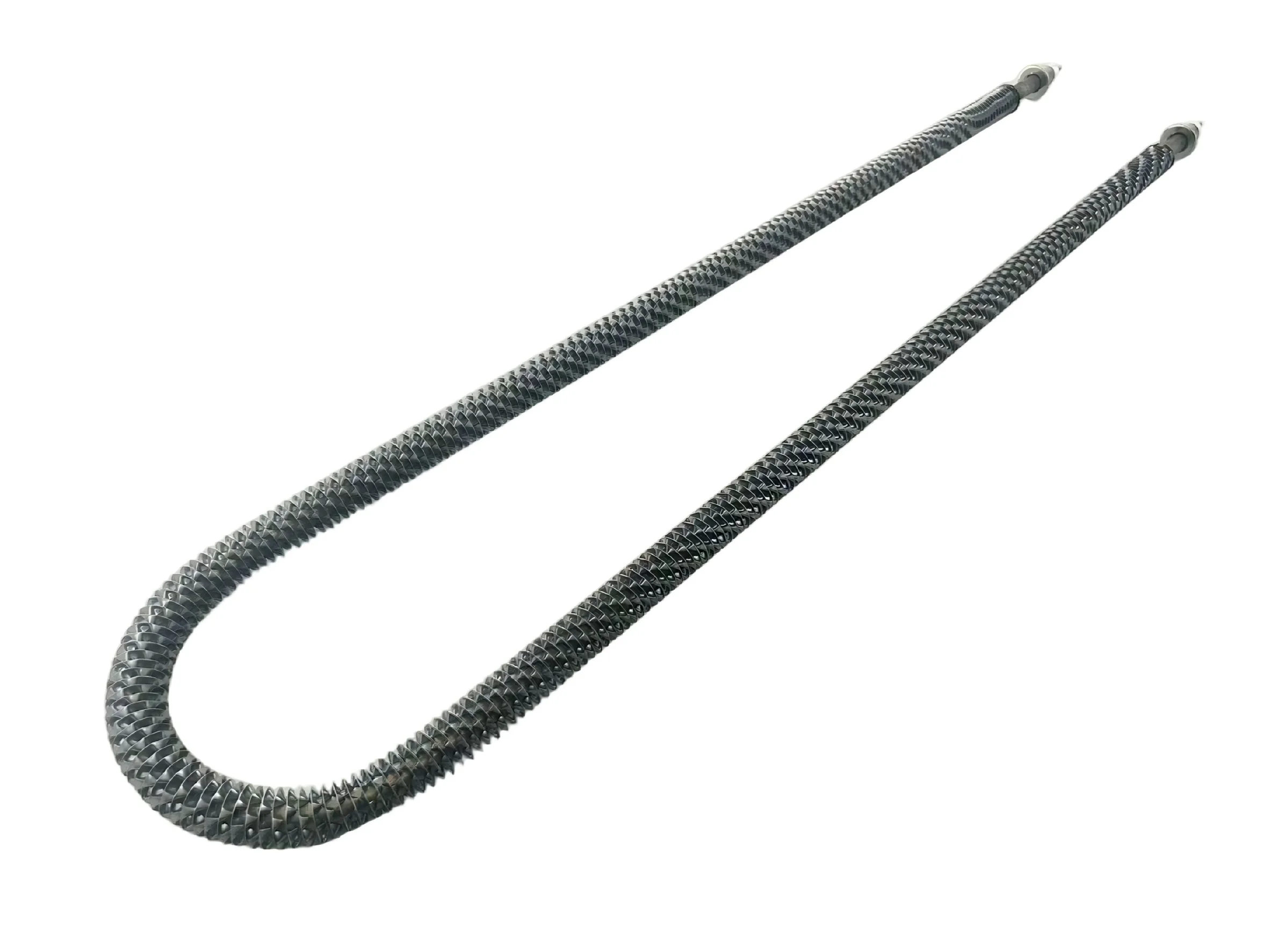
U-Shaped Tubular Heating Element
Description
U-shaped tubular heating elements are double-ended electric heating elements designed for efficient heat transfer in air, water, oil and industrial equipment. Tube diameter, heated length, bend radius, sheath material, watt density, mounting fittings and terminal configuration can be customized according to the operating medium, temperature and installation requirements.
Applications
Water and oil heating, air ducts, ovens, tanks, drying equipment, molds, industrial process equipment and custom electric heating assemblies.
Typical Design Options
Finned Tubular Heating Element
Description
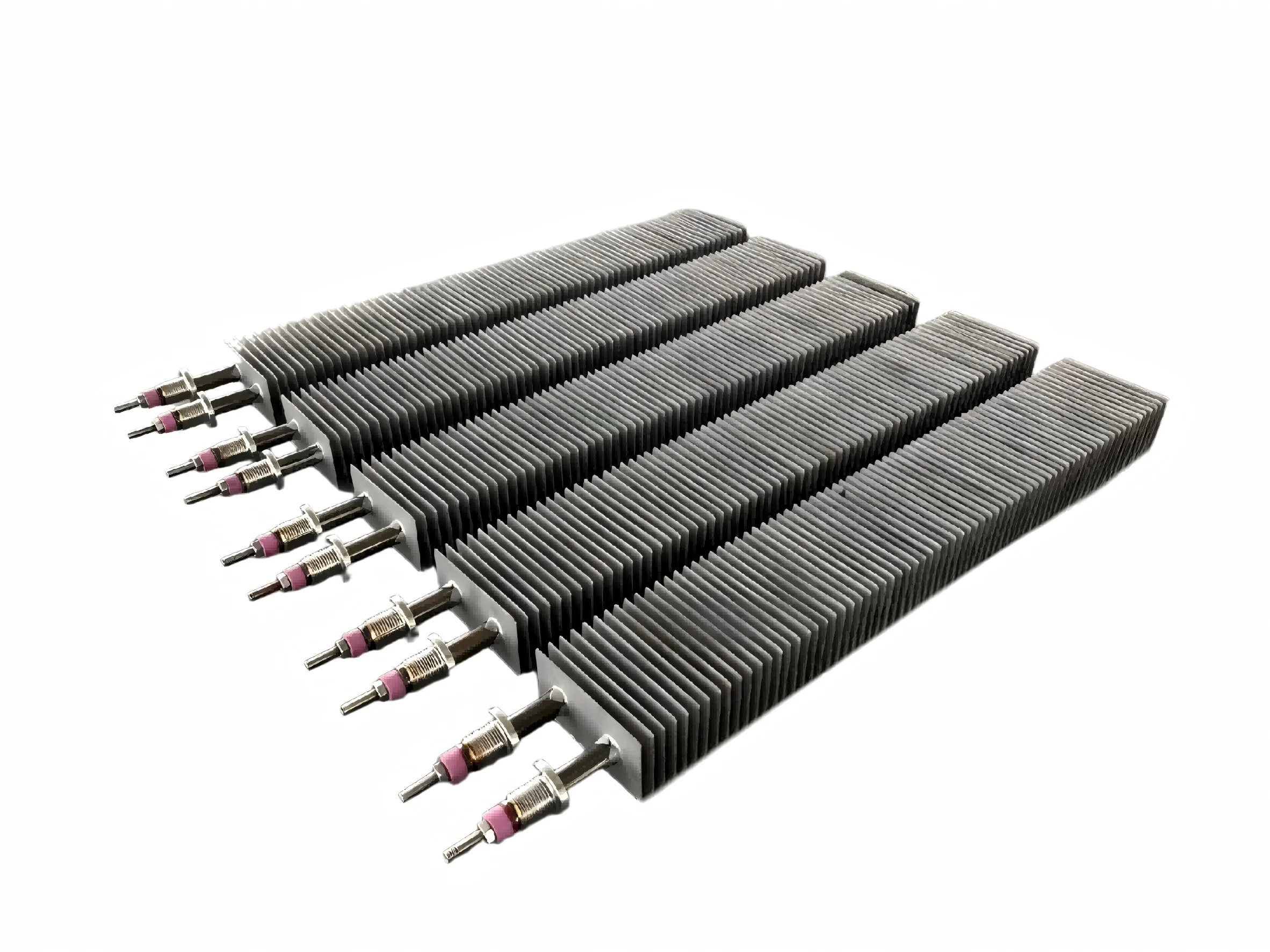
Finned tubular heating elements increase heat transfer area for forced-air and duct heating applications. Fin material, tube diameter, element shape, terminal connection, and mounting structure can be customized to match airflow and installation conditions.
Applications
Air heaters, duct heaters, drying equipment, ovens, forced-air heating systems, process air heaters, and industrial ventilation heating equipment.
Typical Design Options
Flanged Immersion Heater
Description
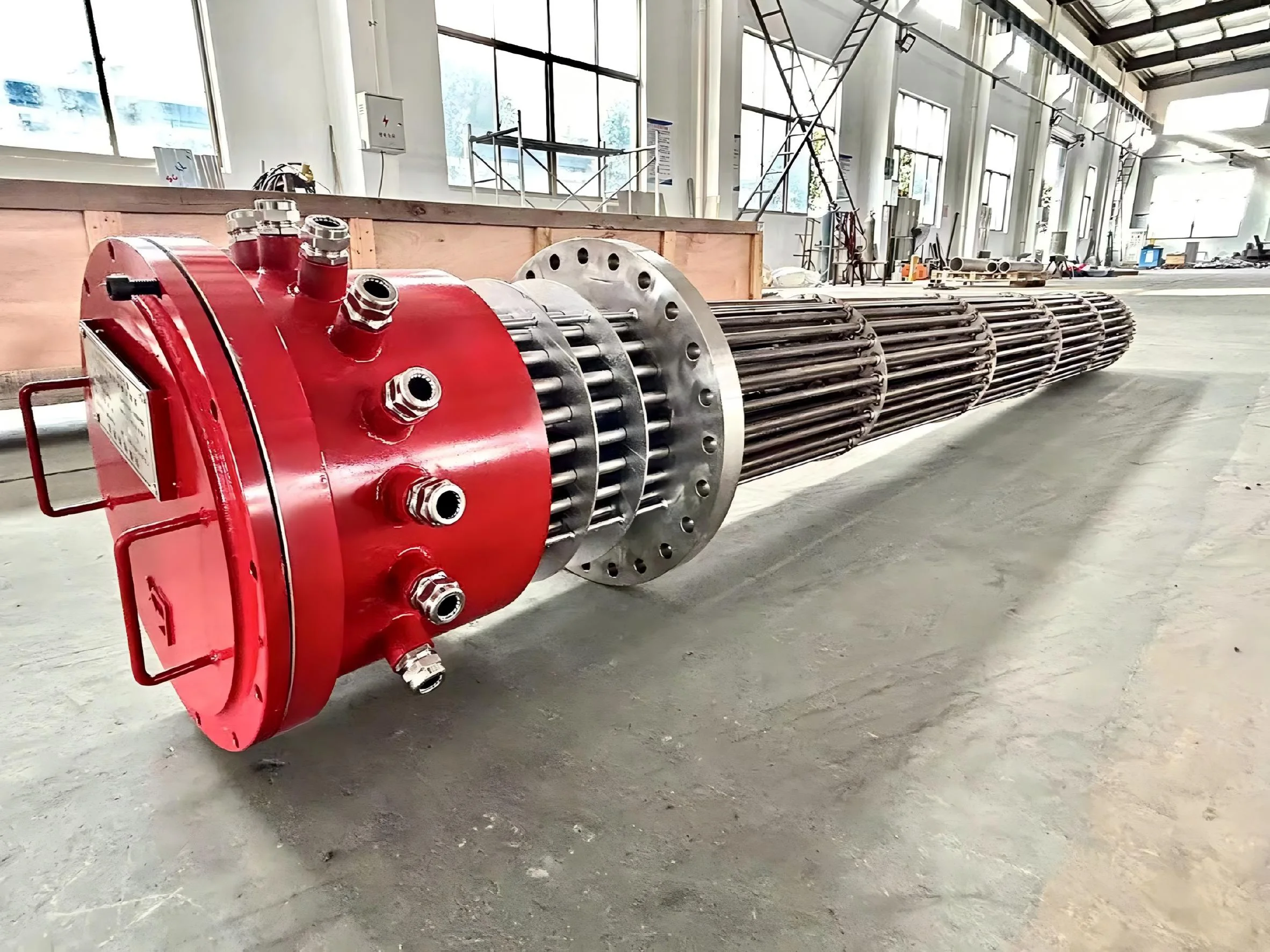
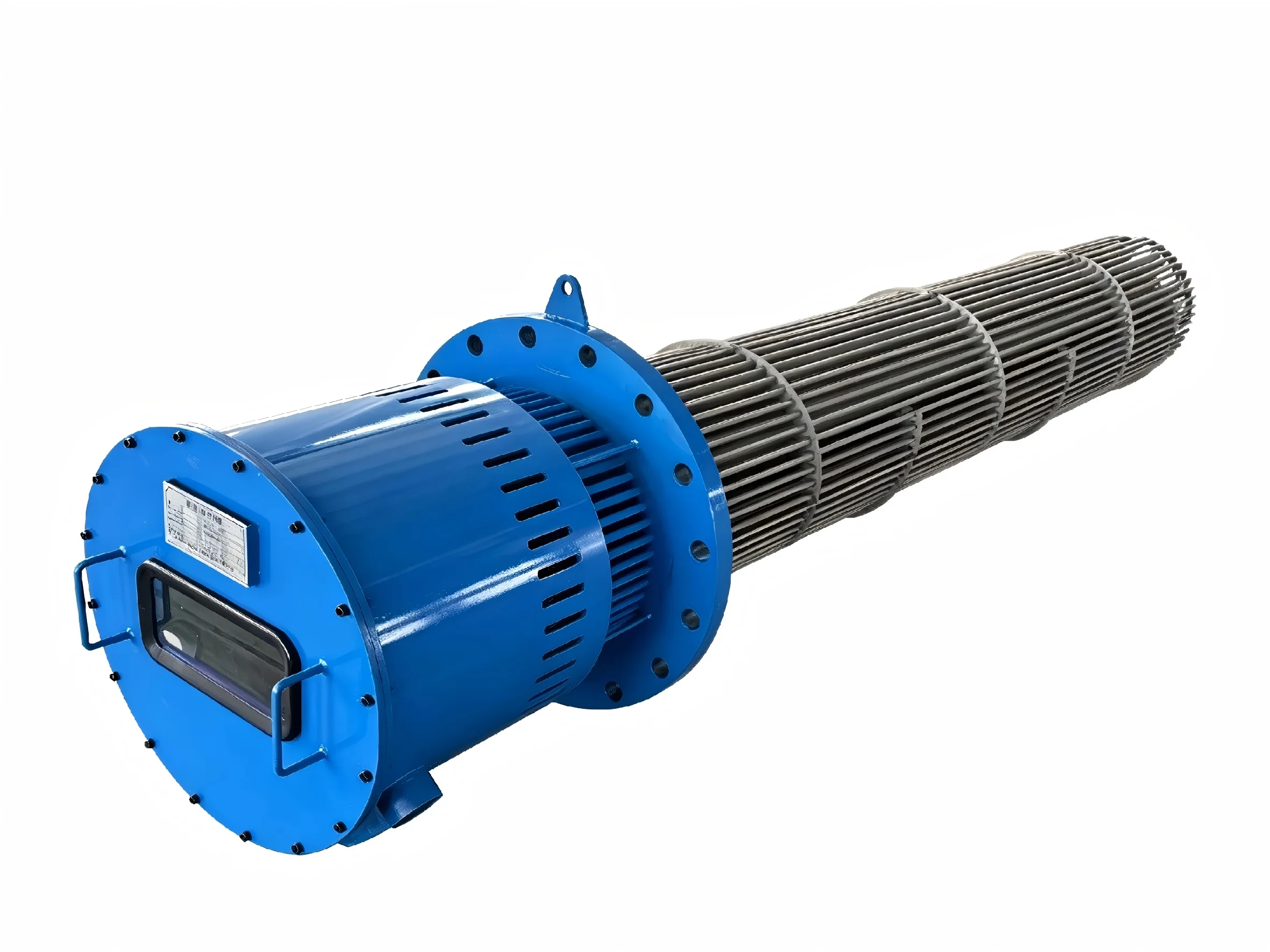
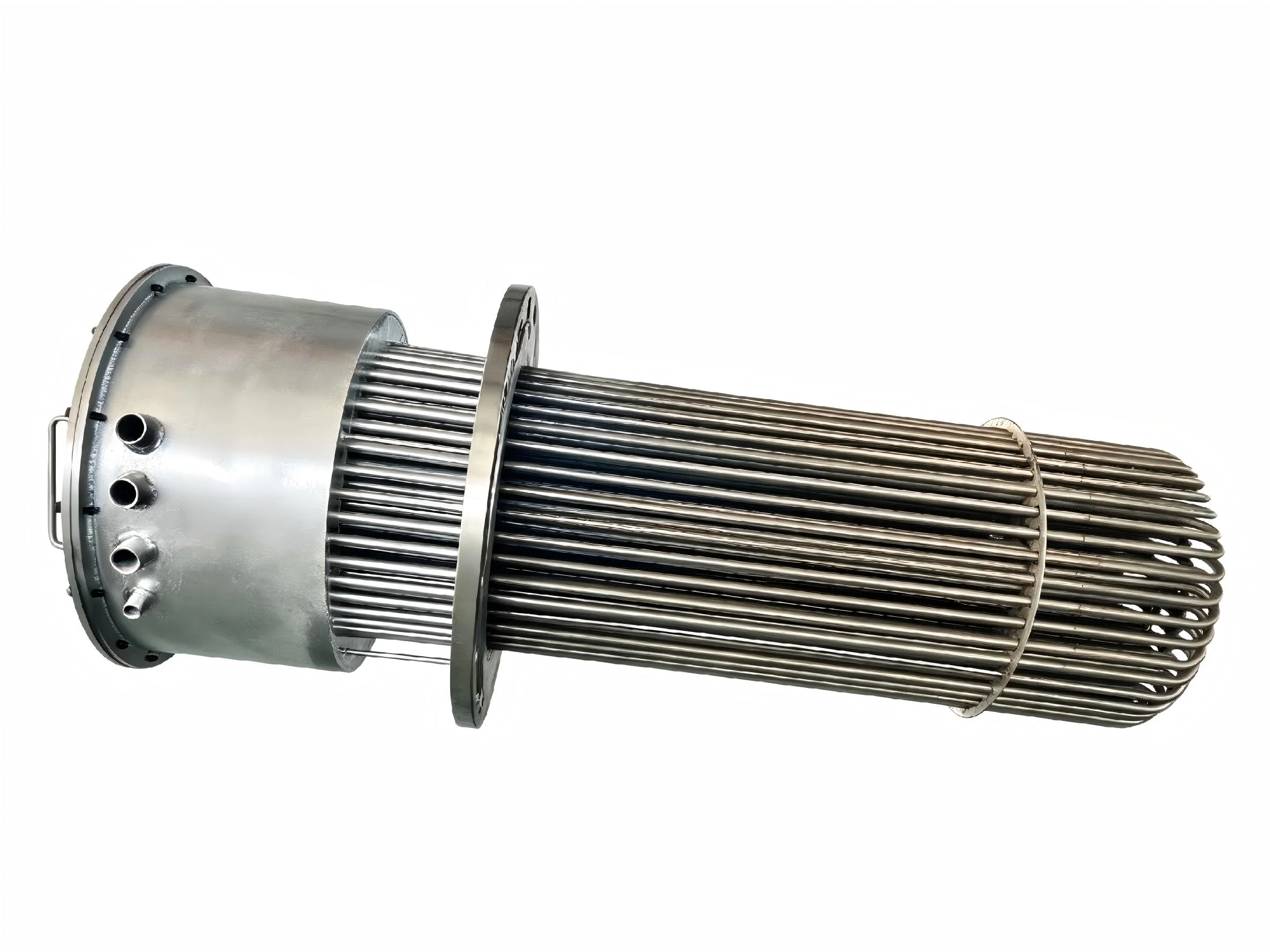
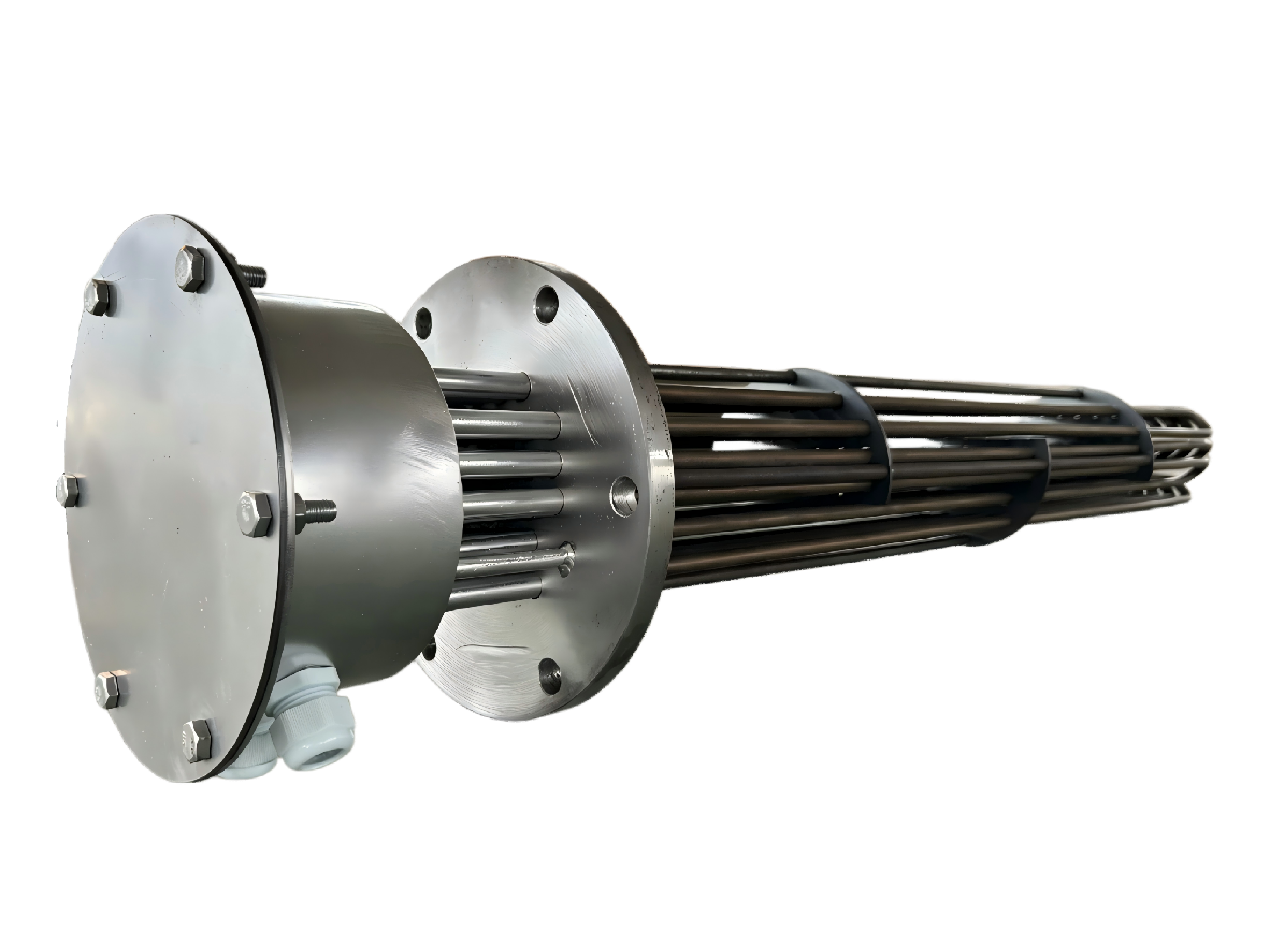
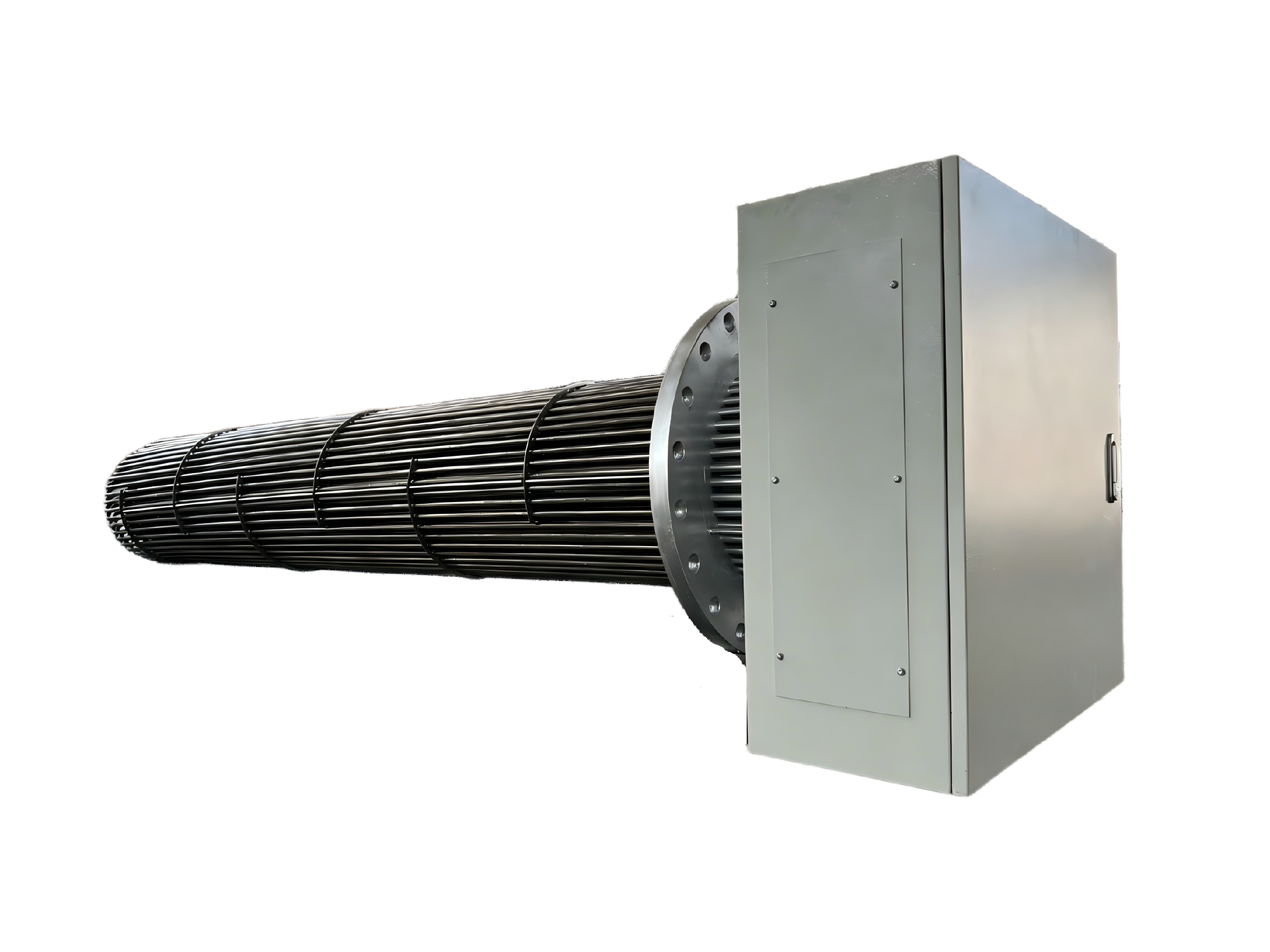
Flanged immersion heaters use multiple heating elements welded or fixed onto a flange for direct liquid heating. Flange size, immersion length, sheath material, temperature sensor, control cabinet, and protection functions can be configured for the process liquid.
Applications
Tank heating, liquid heating, oil heating, water heating, chemical liquid heating, process fluid heating, and industrial circulation systems.
Typical Design Options
Custom-Shaped Tubular Heating Element
Description
Custom-shaped tubular heating elements are formed according to the available installation space and heat distribution requirement. U-shape, W-shape, spiral, ring, serpentine, and drawing-based shapes can be produced for special equipment.
Applications
Special equipment heating, irregular space heating, ovens, molds, tanks, industrial machinery, custom fixtures, and project-specific heating assemblies.
Typical Design Options
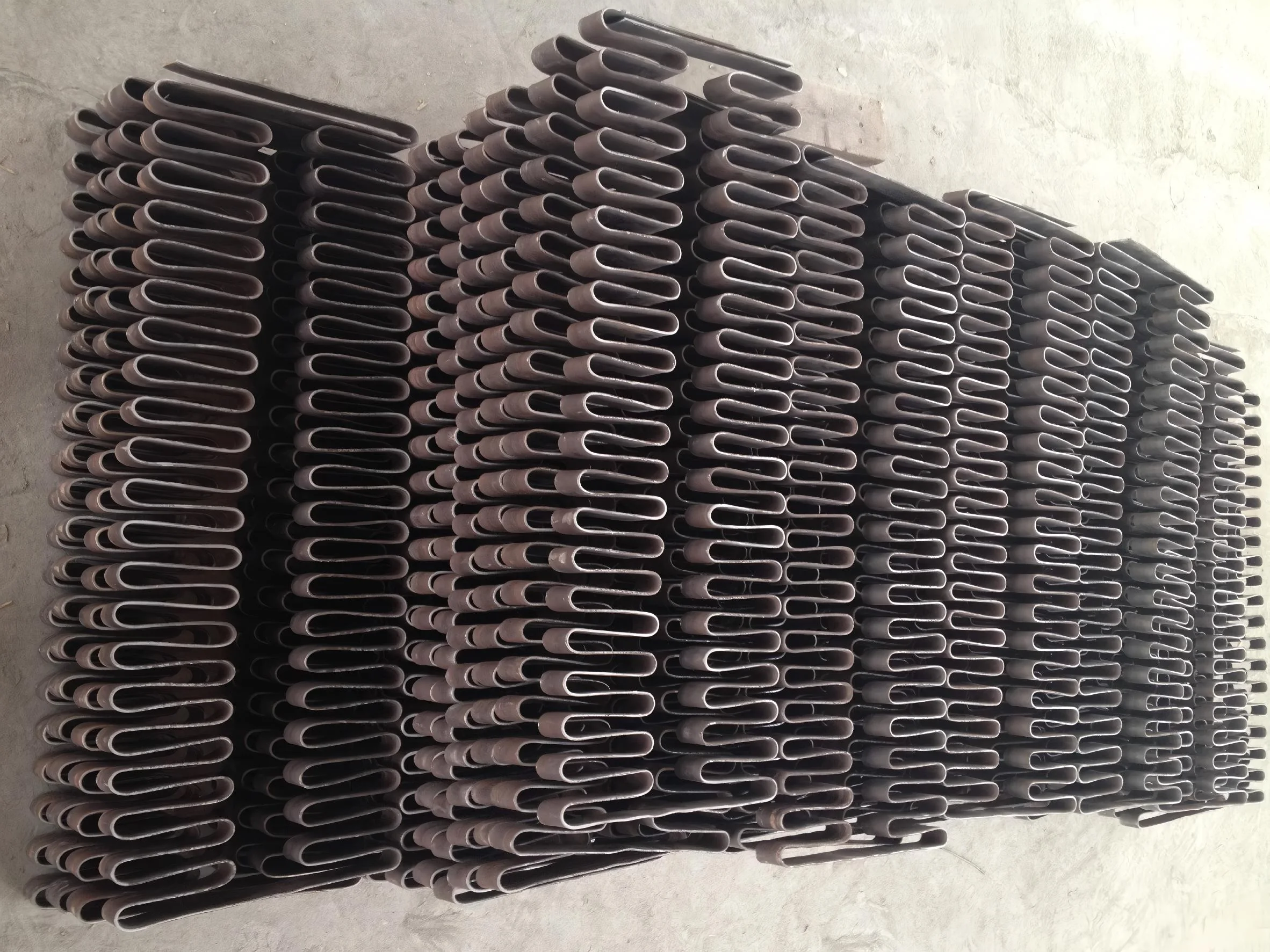
Electric Resistance Strip
Description
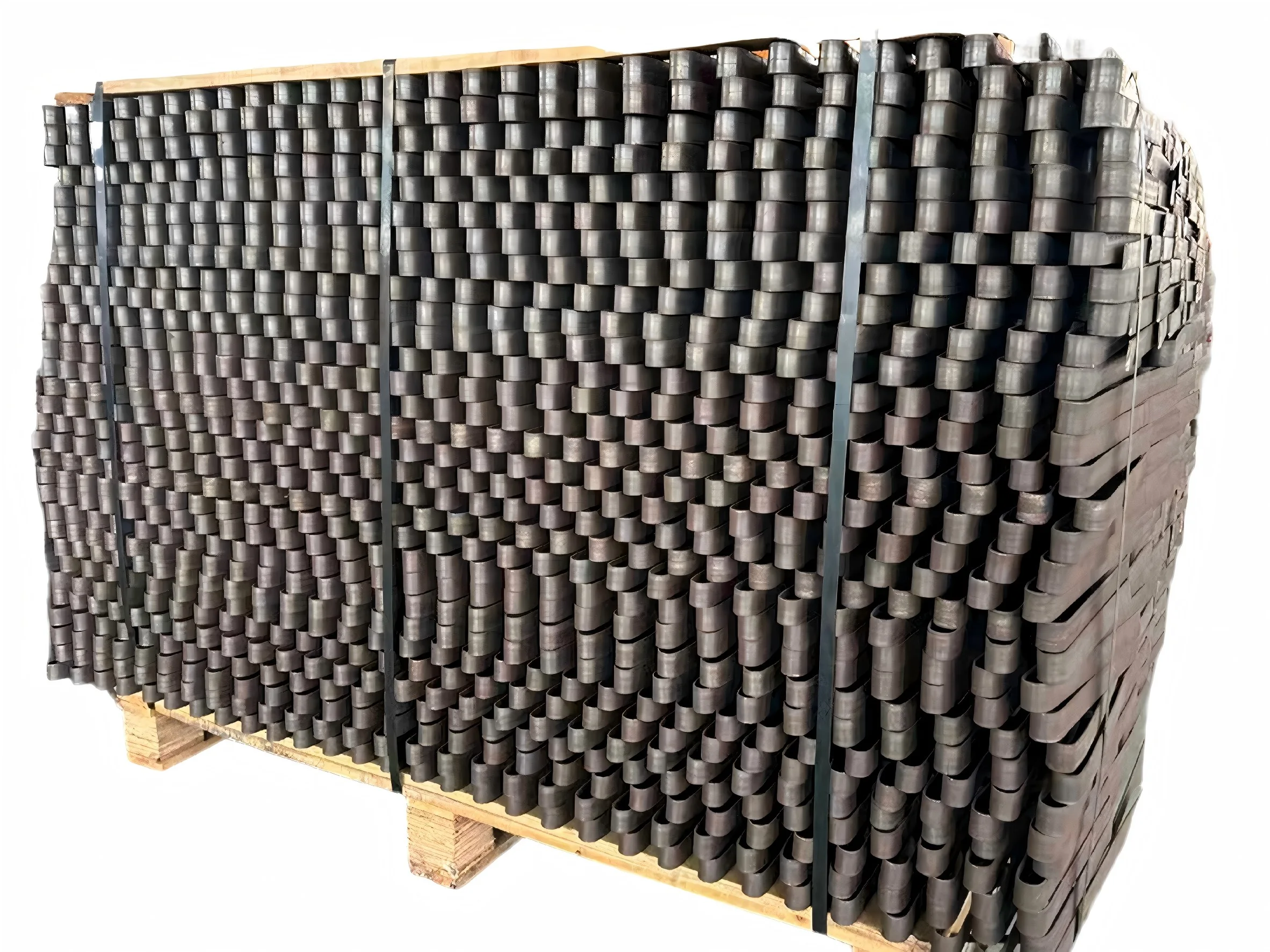
Electric resistance strips are used for high-temperature heating equipment and custom heating assemblies. Strip, band, coil, or special resistance heating forms can be made according to required resistance value, power, voltage, and working temperature.
Applications
Industrial furnaces, high-temperature heating equipment, drying systems, heat tracing assemblies, process equipment, and custom resistance heating applications.
Typical Design Options
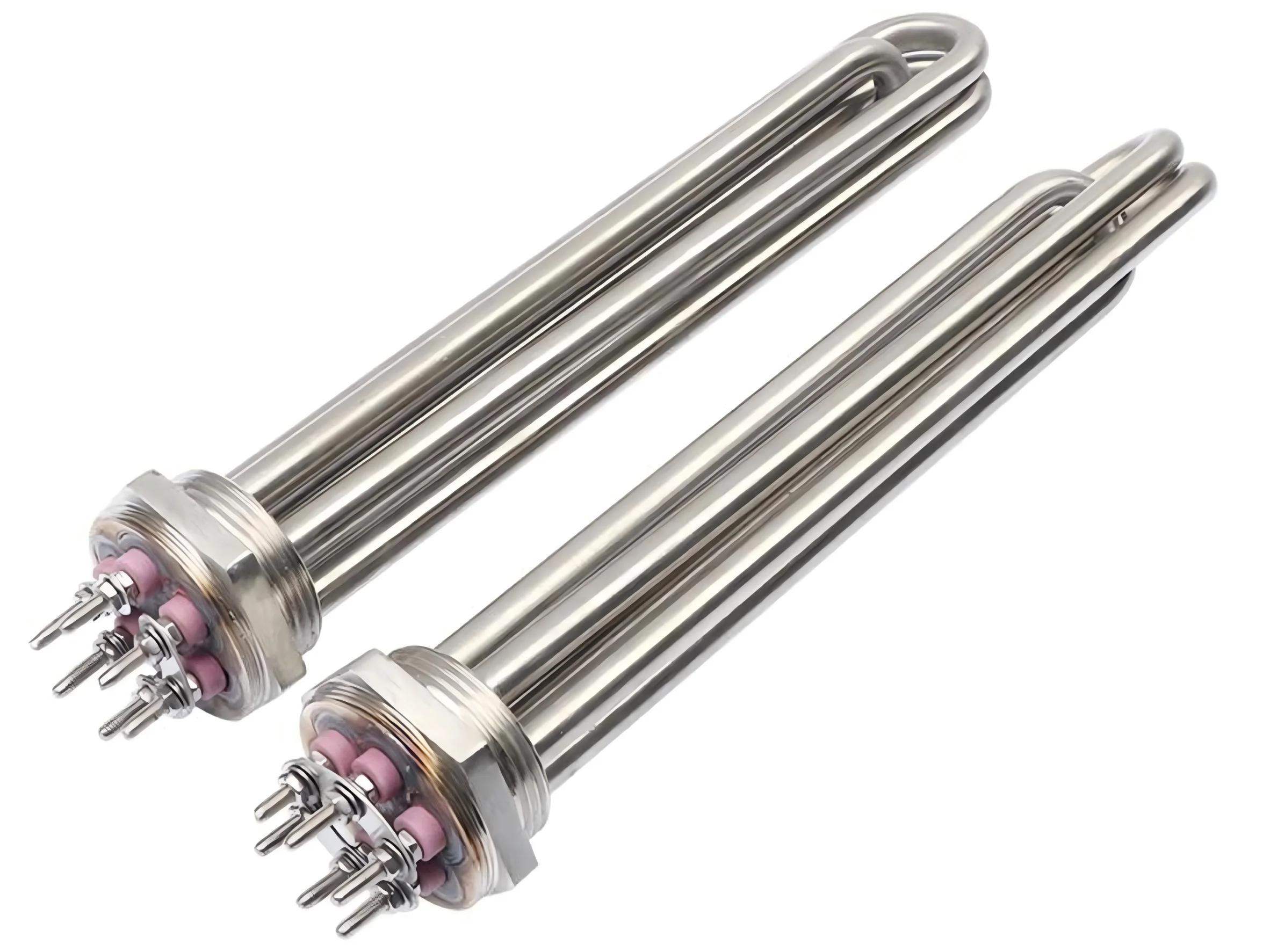
High-Density Heating Element
Description
High-density heating elements are designed for compact installations requiring high power output and efficient heat transfer. Element size, sheath material, watt density, terminal design, and mounting method can be customized for high-load industrial heating applications.
Applications
High-power industrial heaters, compact process equipment, liquid heaters, air heaters, molds, tanks, and custom machinery heating systems.
Typical Design Options
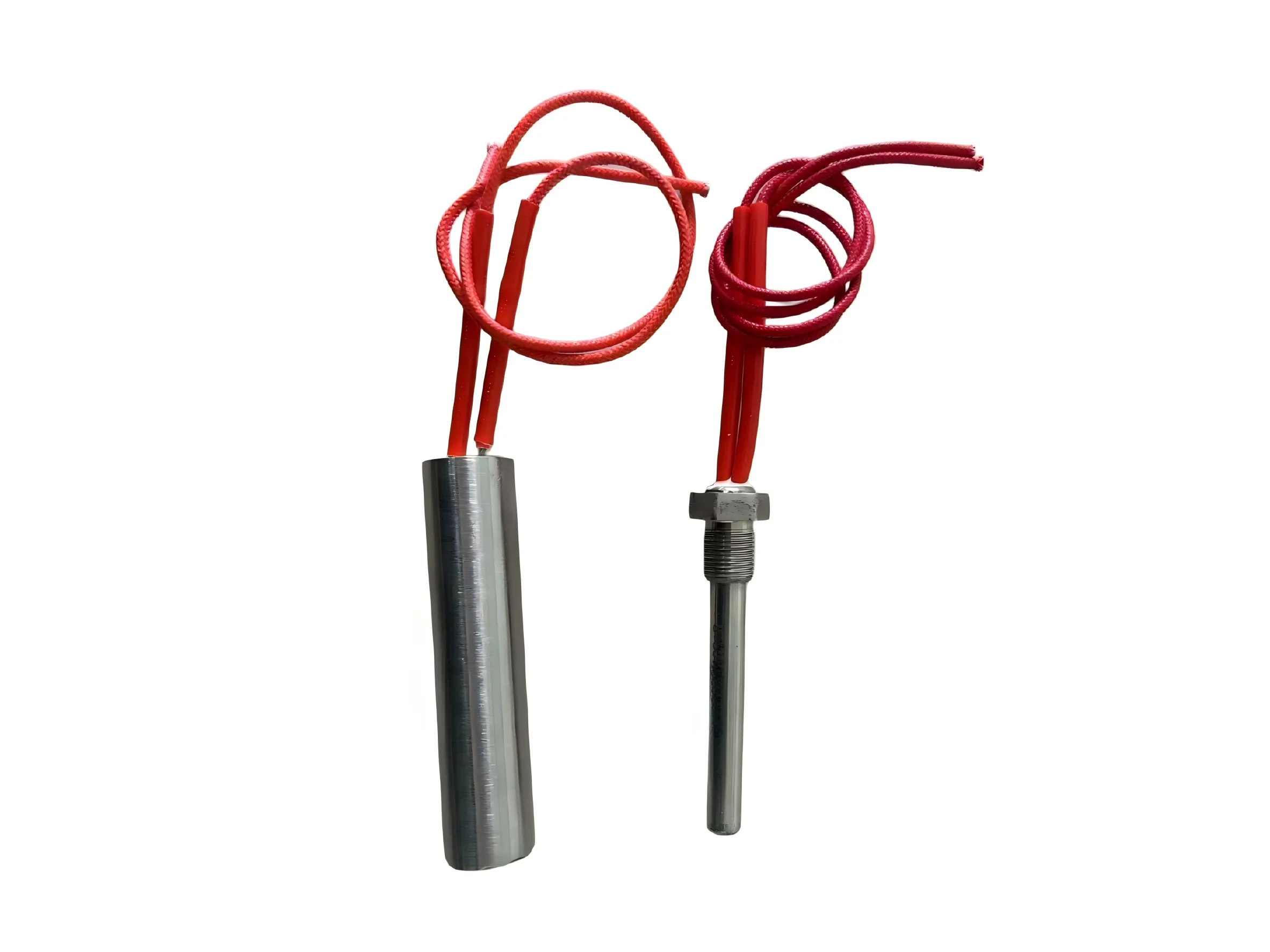
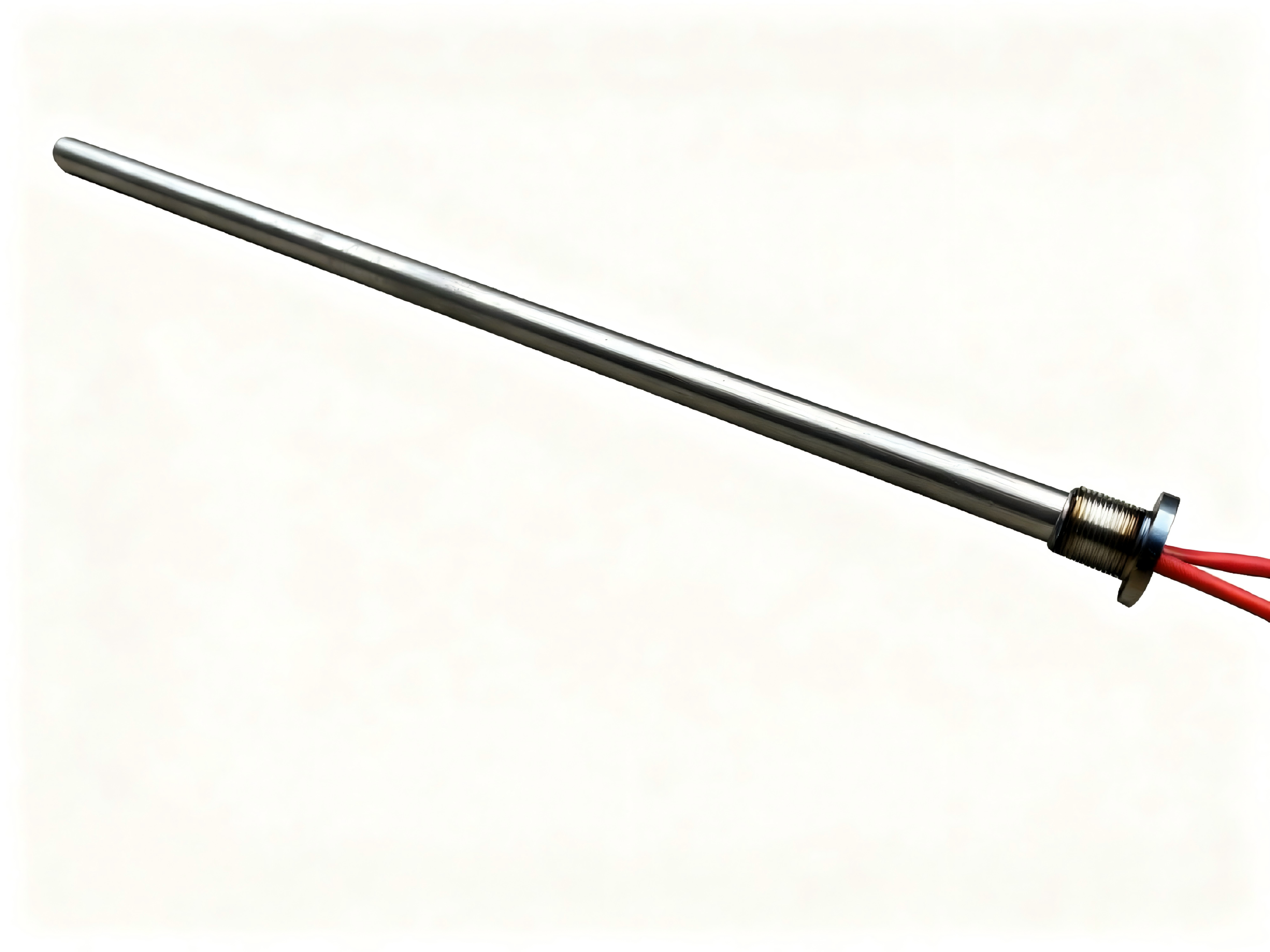
Stainless Steel Electric Heater Rod
Description
A customizable stainless-steel electric heater rod for industrial equipment, molds, tanks and process heating, available in tailored size, voltage and power.
Applications
Industrial equipment, molds, tanks, air heaters, ovens, packaging machinery, laboratory systems and OEM heating assemblies.
Typical Design Options
ELECTRIC HEATING ELEMENTS · PROJECT INPUT
Turn Your Element Requirements Into a Buildable Design
Element performance depends on geometry, watt density, sheath material, termination, and how heat is transferred. Use these groups to define the part clearly.
Application
- Element type or application equipment
- Heating medium: air, liquid, oil, gas, mold, oven, or tank
- Working temperature and operating environment
Geometry
- Diameter, length, shape, and quantity
- Heated length, cold zones, and bend limits
- Mounting size, thread, flange, bracket, or fixing method
Electrical & Thermal
- Required power, voltage, and phase
- Target watt density or heat distribution
- Sensor type and temperature-control method
Materials & Terminals
- Sheath material and corrosion conditions
- Terminal, lead wire, sealing, and moisture protection
- Drawing, sample, tolerance, testing, and inspection requirements