

ELECTRIC HEATING ELEMENTS
Stainless Steel Electric Heater Rod
Custom stainless steel electric heater rods for industrial equipment, molds, tanks and process heating applications.
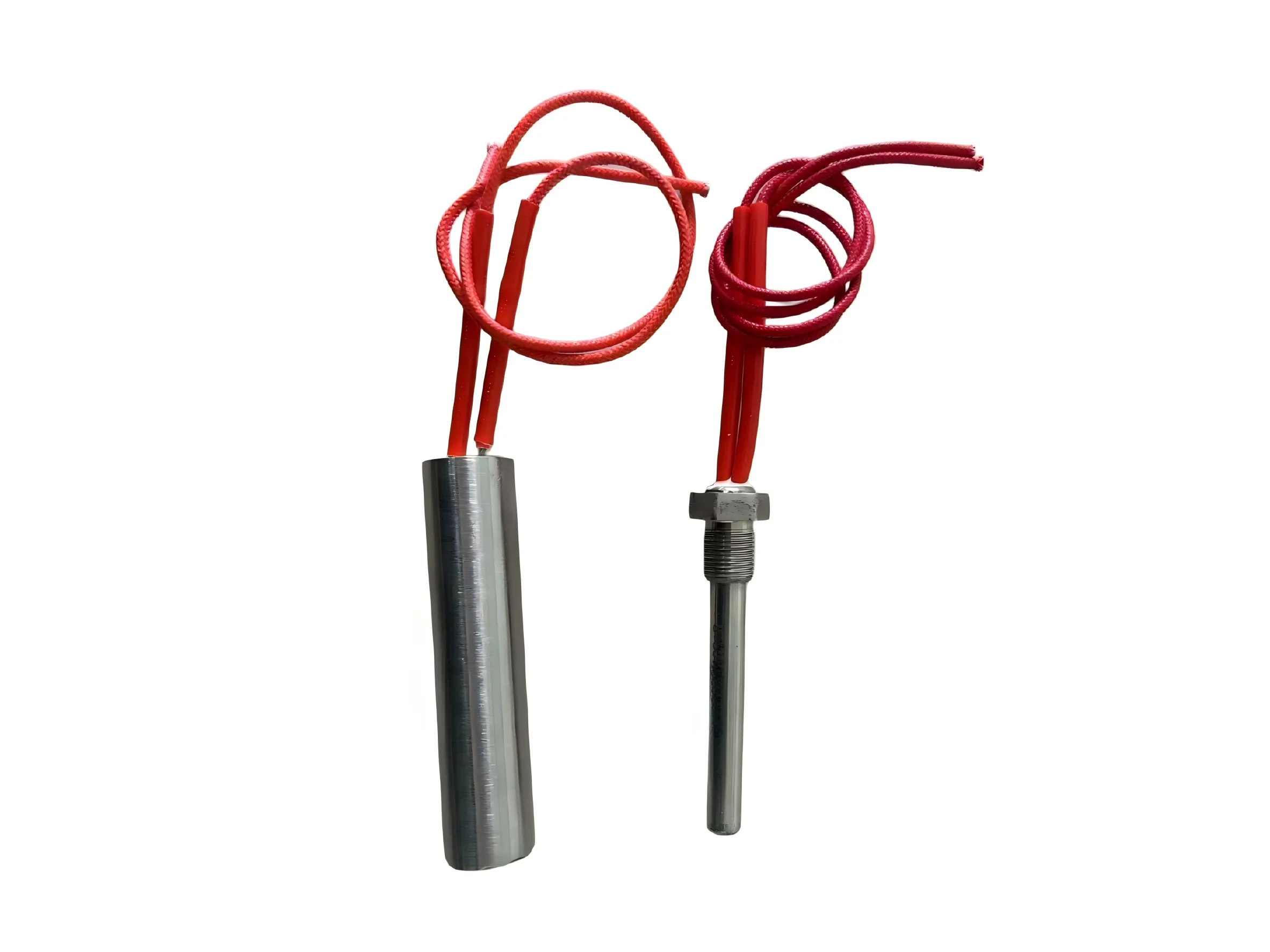
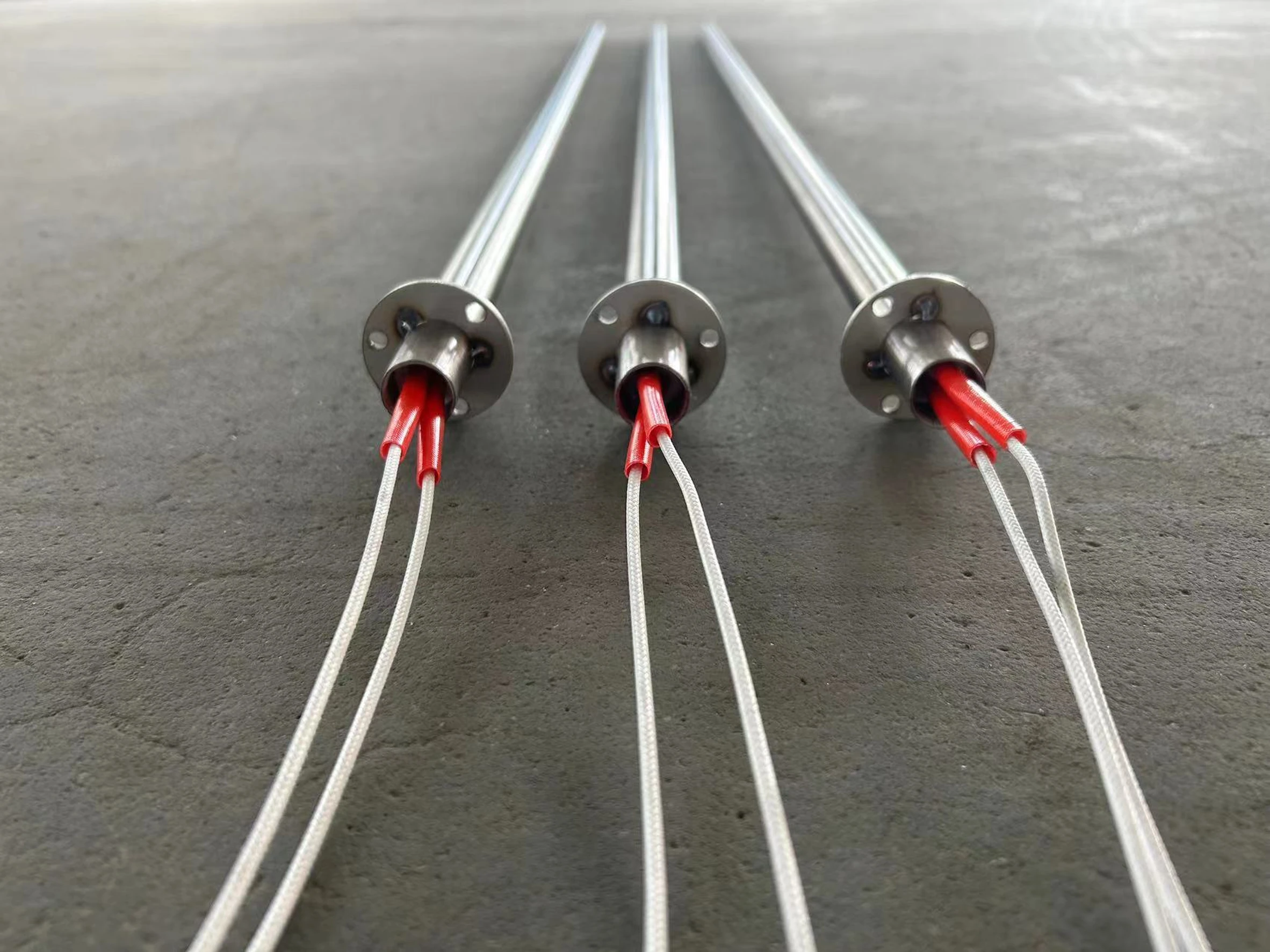
The Stainless Steel Electric Heater Rod is a customized sheathed resistance heating element used in industrial equipment, tanks, molds, fixtures and process-heating assemblies.
Diameter, heated length, cold zone, voltage, power, sheath material, terminal structure, lead wire, mounting fitting and bending or forming requirements can be customized according to the installation and heat-transfer conditions.
Product Overview
The Stainless Steel Electric Heater Rod is a sheathed resistance heating element used to generate heat inside industrial equipment, tanks, pipelines, molds, ovens and custom heating assemblies. It normally consists of a resistance wire, high-purity magnesium oxide insulation, a stainless steel outer sheath and a terminal or lead-wire connection.
The term heater rod does not mean that the product is a solid stainless steel bar. The stainless steel tube acts as the protective sheath, while the internal resistance wire converts electrical energy into heat.
Diameter, length, heated length, cold zone, voltage, power, watt density, terminal structure, lead wire, mounting method and sheath grade can be customized according to the actual heat-transfer condition. One design should not be assumed suitable for water, oil, air, molds and dry heating at the same time.
Key Features
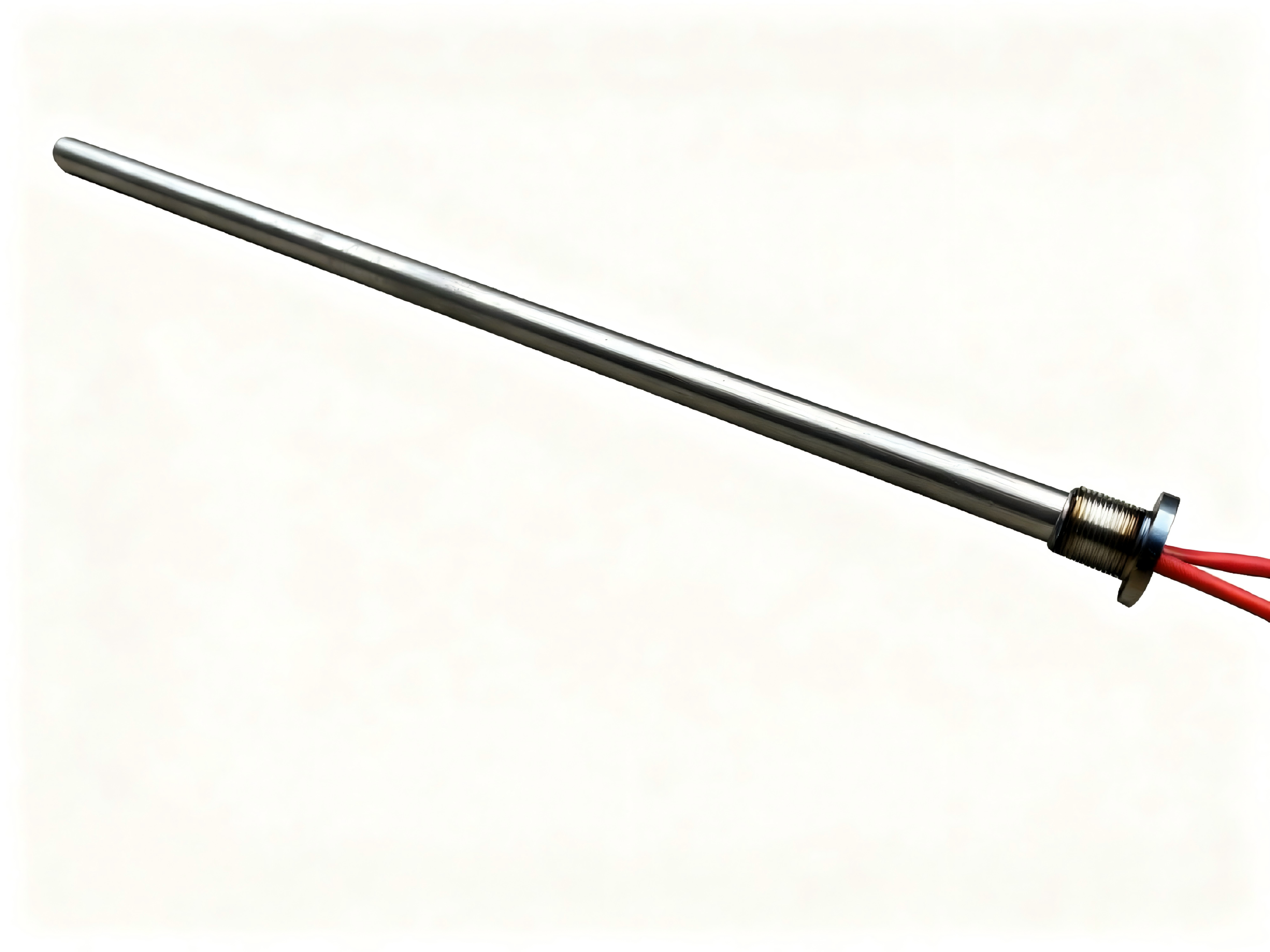
The Stainless Steel Electric Heater Rod can be engineered around the actual medium, duty, installation and control requirements of the project.
Stainless Steel Sheathed Construction
The resistance wire and magnesium oxide insulation are compacted inside a stainless steel protective sheath.
Application-Specific Watt Density
Watt density is selected according to contact condition, medium, operating temperature, heat transfer and required service life.
Custom Terminals and Mounting
Threaded fittings, flanges, brackets, lead wires, terminal pins and cold zones can be customized for equipment integration.
Sheath Material Selection
SS304, SS316L, SS310S, Incoloy 800/840 and selected materials can be evaluated where suitable.
Straight or Formed Design
Elements can be supplied straight or formed after engineering review for the application.
Integration into Assemblies
Heater rods can be installed in flanges, tanks, air heaters, molds and custom equipment.
Typical Technical Parameters
The following parameters are for reference only. Final design is confirmed according to the operating medium, temperature, dimensions and project requirements.
| Parameter | Customizable Range or Options |
|---|---|
| Product Type | Straight stainless steel heater rod, threaded immersion rod or custom formed element |
| Element Type | Sheathed resistance heating element |
| Heating Medium | Air, water, oil, metal contact or equipment-specific duty |
| Voltage / Power | Customized according to power supply and required heating duty |
| Diameter / Length | Customized according to installation space, heated length, cold zone and mechanical requirements |
| Heated Length / Cold Zone | Customized according to thermal and terminal requirements |
| Sheath Material | SS304, SS316L, SS321, SS310S, Incoloy 800/840 or selected alloy according to medium and temperature |
| Terminal / Lead | Threaded terminal, terminal pin, high-temperature lead wire, cable or custom connection |
| Mounting | Threaded fitting, flange, bracket, compression fitting, welded structure or custom mounting |
| Sensor Option | Thermocouple or other sensor integration where structurally suitable |
| Optional Design | Straight, formed, finned, sealed, high-temperature or matched-set supply |
| Internal Heating Wire | Nickel-chromium or selected resistance alloy according to voltage, power and operating temperature |
| Insulation | Compacted high-purity magnesium oxide insulation |
| Watt Density | Selected according to air, liquid, metal-contact or other heat-transfer conditions |
| Electrical Tests | Insulation resistance, dielectric strength, continuity and dimensional inspection according to the confirmed product specification |
Structure, Materials, Control and Safety
Structure of the Heater Rod
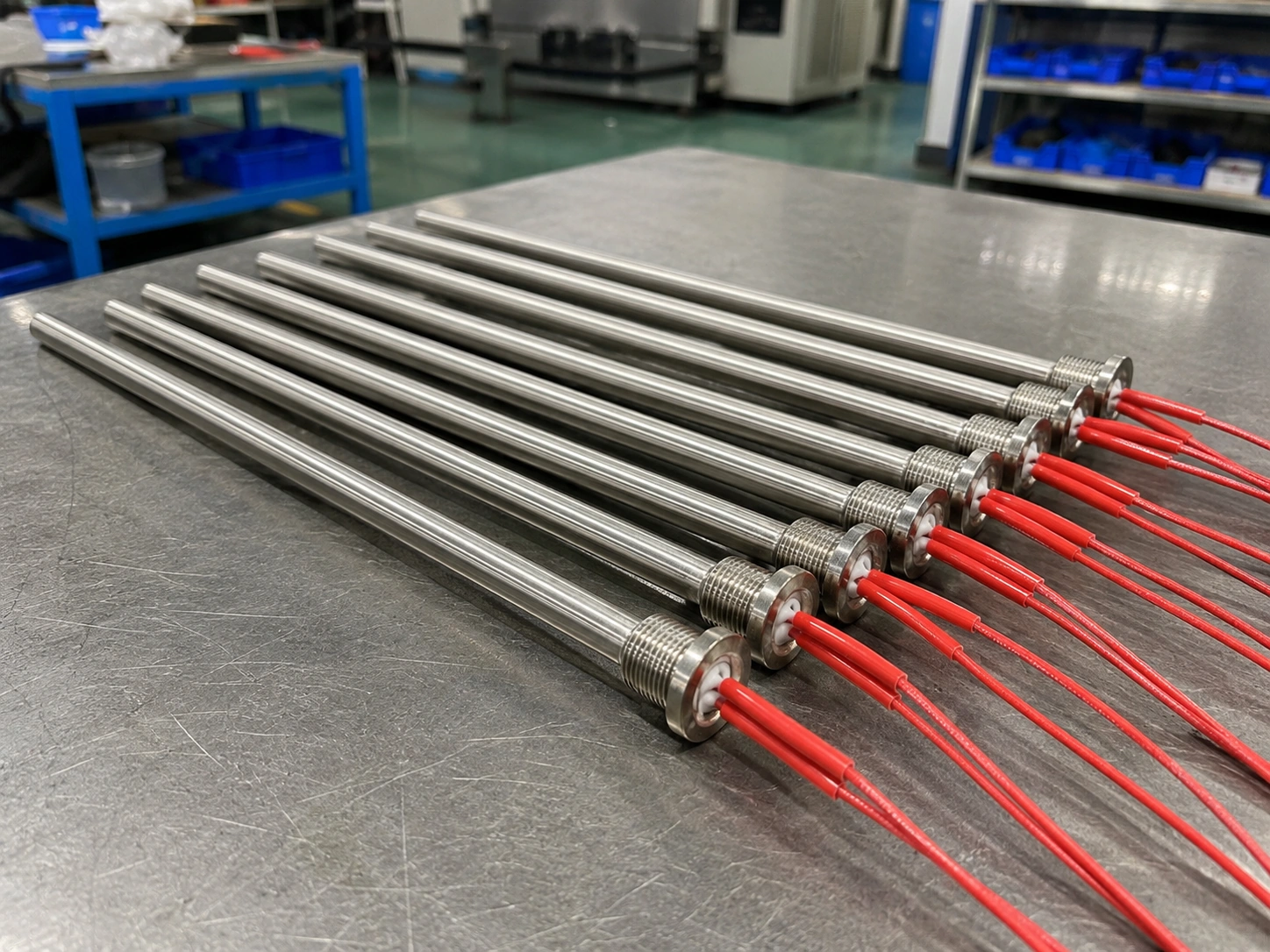
The element is normally built with a resistance coil centered inside a metal sheath and electrically insulated by compacted mineral insulation. Terminal pins or lead wires connect the resistance circuit to the power supply.
The rod can include heated and non-heated sections, end sealing, threaded fitting, mounting plate, lead protection or a sensor where the diameter and construction permit.
For straight rod designs, mounting fit, heated length, cold zone and heat transfer to the surrounding medium or component are key selection factors. Formed designs can be evaluated separately where required.
Materials and Customization
Sheath material must be selected according to the heated medium, surface temperature, corrosion, oxidation and mechanical conditions. SS304, SS316L, SS321 and SS310S have different application limits; no single stainless steel grade is suitable for every liquid, gas or dry-heating condition. Incoloy or another selected alloy may be required for more demanding service.
Resistance wire, insulation, terminals, seal and lead wire are selected as a complete electrical and thermal structure. The allowable watt density depends on how heat is transferred away from the rod.
Diameter, length, terminal direction, thread, mounting, lead wire and surface treatment can be customized from drawings or samples.
Temperature Control and Electrical Connection
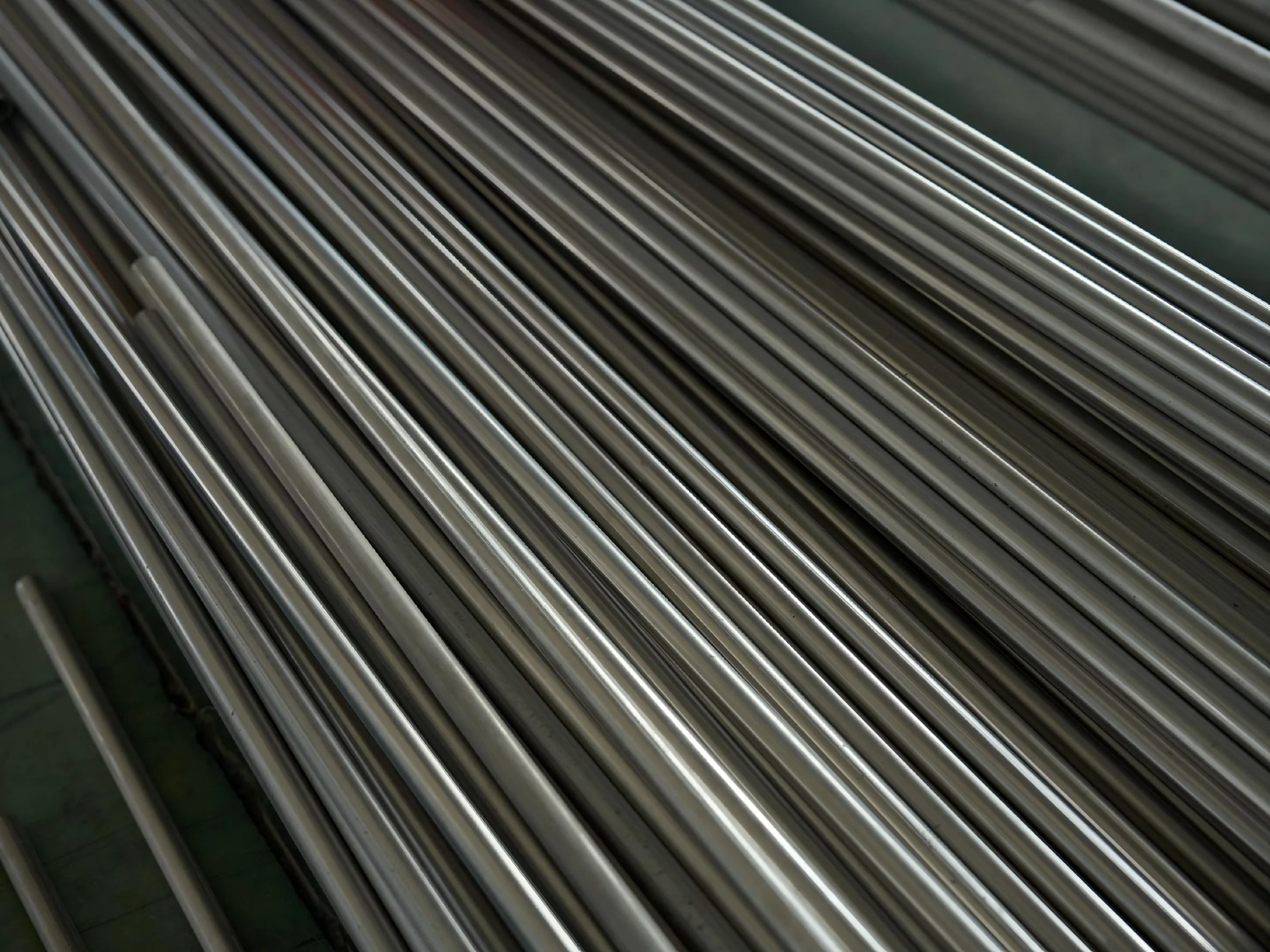
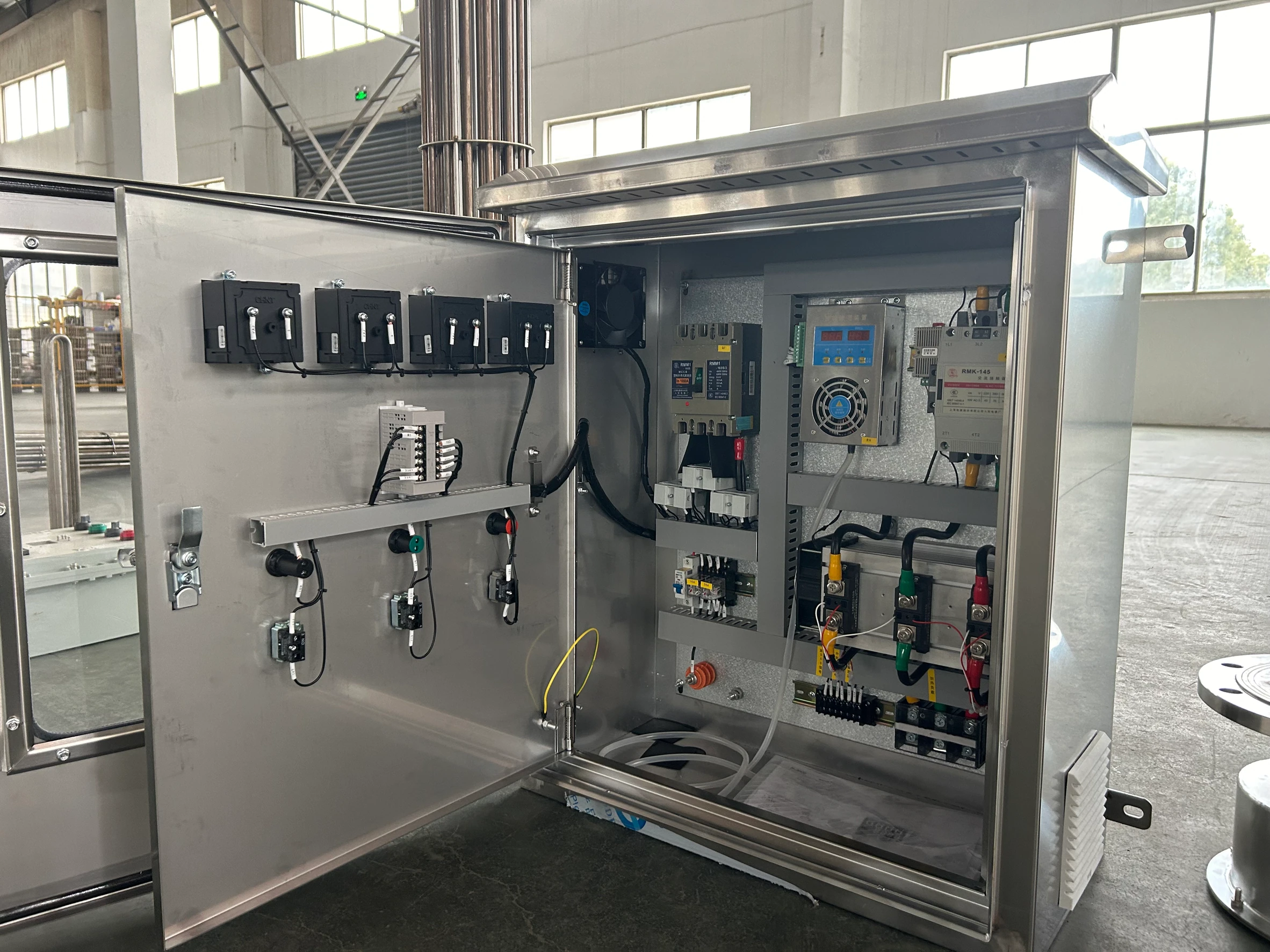
The heater rod is a resistive heating component and does not independently regulate temperature. It should be operated through a compatible thermostat, PID controller, solid-state relay, contactor, SCR power controller or equipment PLC according to the required control accuracy and electrical load.
Temperature sensors should be positioned according to the heated part or medium rather than attached at an arbitrary location. Over-temperature protection should be independent where overheating could damage the heater, equipment or process material.
Safety Protection
The heater rod must be selected and installed for the intended heat-transfer condition. An element designed for immersion service should not be energized in air unless the design specifically permits dry heating.
The heated section should remain in effective contact with the medium or heated part. Terminal areas, lead wires, seals and cold zones should be protected from excessive temperature, moisture, mechanical damage and incorrect wiring.
Recommended protection can include independent over-temperature cutoff, current and overload protection, ground-fault protection, protective grounding where applicable and equipment-level emergency stop.
Typical Applications
Typical applications for Stainless Steel Electric Heater Rods include industrial equipment, molds, tanks, air-heating assemblies and OEM process-heating systems. Final element design should be selected according to the actual heat-transfer conditions.
Industrial Equipment
General heat source for custom machinery and thermal assemblies.
Molds and Tooling
Customized rod heating elements for molds, dies and heated blocks.
Water and Oil Tanks
Rod elements assembled into suitable immersion structures.
Air Heating Equipment
Straight or formed elements used in air heaters and ovens.
Packaging Machinery
Heating bars, sealing equipment and production-line fixtures.
Laboratory and Test Equipment
Customized rods for controlled heating devices.
Food and Process Equipment
Heating elements selected for compatible equipment and materials.
OEM Heating Assemblies
Matched rod sets manufactured from drawings or samples.
How to Select the Right Stainless Steel Electric Heater Rod
Please provide the following information so Xiangyuan Machinery can select and design the Stainless Steel Electric Heater Rod for the actual operating conditions.
Application
State air, liquid, mold, metal contact or assembled-heater duty.
Voltage
Provide operating voltage, phase and connection method.
Power
State required wattage or target heat-up conditions.
Diameter / Length
Provide hole, tube or installation dimensions and tolerances.
Heated Zone
Mark heated length, cold zones and terminal position.
Operating Temperature
Provide normal and maximum sheath/environment temperature.
Medium / Material
State fluid, gas, metal contact and corrosion conditions.
Watt Density
Provide existing value or allow engineering selection from the duty.
Terminal
Specify pins, screws, leads, thread and cable direction.
Mounting
Provide fitting, flange, bracket or equipment drawing.
Forming
Provide bend shape, radius and orientation where required.
Quantity / Matching
State quantity, resistance tolerance and matched-set requirements.
Frequently Asked Questions
Common questions about Stainless Steel Electric Heater Rod selection, customization and industrial use.
Is a stainless steel heater rod a solid metal rod?
Can the same heater rod be used for water, oil and air?
Can the heater rod be bent?
How is watt density selected?
Does the heater rod include temperature control?
What is the difference between a Stainless Steel Electric Heater Rod and a Tubular Heating Element?
What is the difference between a Stainless Steel Electric Heater Rod and a Cartridge Heater?
Related Heating Solutions
For the broader range of straight and formed resistance elements with different sheath materials and mounting options, see Tubular Heating Element . For compact cylindrical heaters installed in drilled holes, see Cartridge Heater . For standard two-leg formed tubular heater configurations, see U-Shaped Tubular Heating Element . For flange-mounted liquid-heating assemblies, see Flanged Immersion Heater .
Why Choose Xiangyuan Machinery
Xiangyuan Machinery manufactures customized electric heating elements according to the installation, heat-transfer and electrical requirements of the application. Stainless Steel Electric Heater Rods can be supplied individually, in matched sets or integrated into larger heating assemblies.
Custom Element Engineering
Custom diameter, length, heated zone, cold zone, voltage and power according to the actual installation and heating requirements.
Material & Mechanical Options
SS304, SS316L, SS310S and selected alloy sheath options, with straight, threaded and application-specific configurations.
Terminal & Electrical Options
Lead wires, threaded terminals, connection methods and sealing arrangements can be customized according to the power supply and installation.
OEM & Quality Support
Custom production according to drawings, samples or confirmed technical data, with dimensional, electrical and insulation testing before shipment.
Request a Custom Stainless Steel Heater Rod Quote
Send the application, medium, voltage, power, diameter, length, heated and cold zones, operating temperature, mounting, terminal, lead-wire and quantity requirements. Xiangyuan Machinery will prepare a suitable technical proposal and quotation.