

EXPLOSION-PROOF ELECTRIC HEATERS
Explosion-Proof Electric Liquid Heater
Custom explosion-proof electric liquid heating equipment for oil, water and compatible chemical process fluids.
The Explosion-Proof Electric Liquid Heater is designed to heat process liquids in classified industrial areas where the electrical enclosure, temperature class, liquid coverage and process interlocks must be coordinated.
Heating power, medium, flow, pressure, shell, element sheath, watt density, terminal enclosure, control cabinet and protection functions can be customized after the liquid data and hazardous-area classification are confirmed.
Product Overview
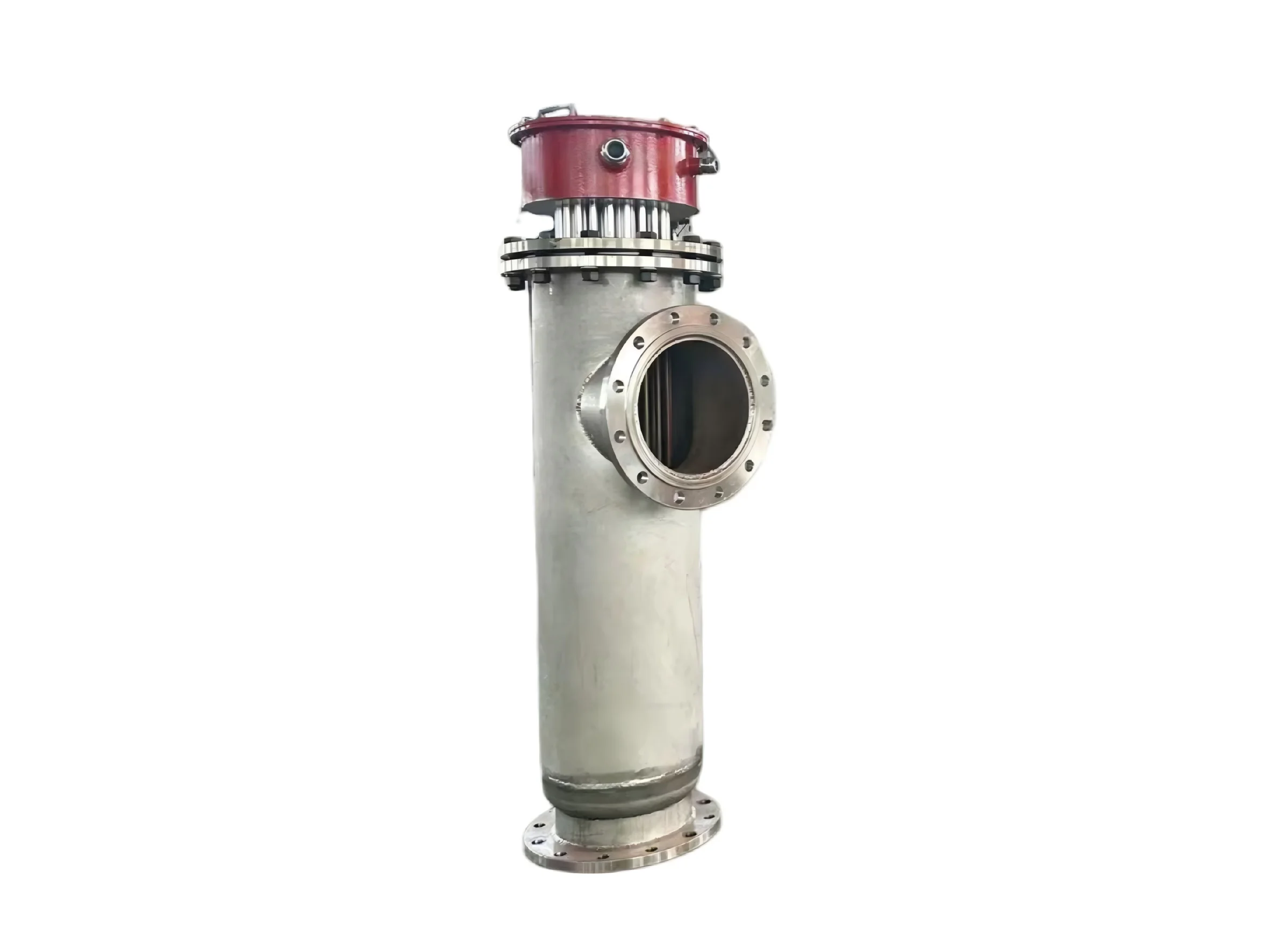
The Explosion-Proof Electric Liquid Heater is an inline or immersion heating unit for oil, water or compatible chemical fluids in hazardous industrial areas.
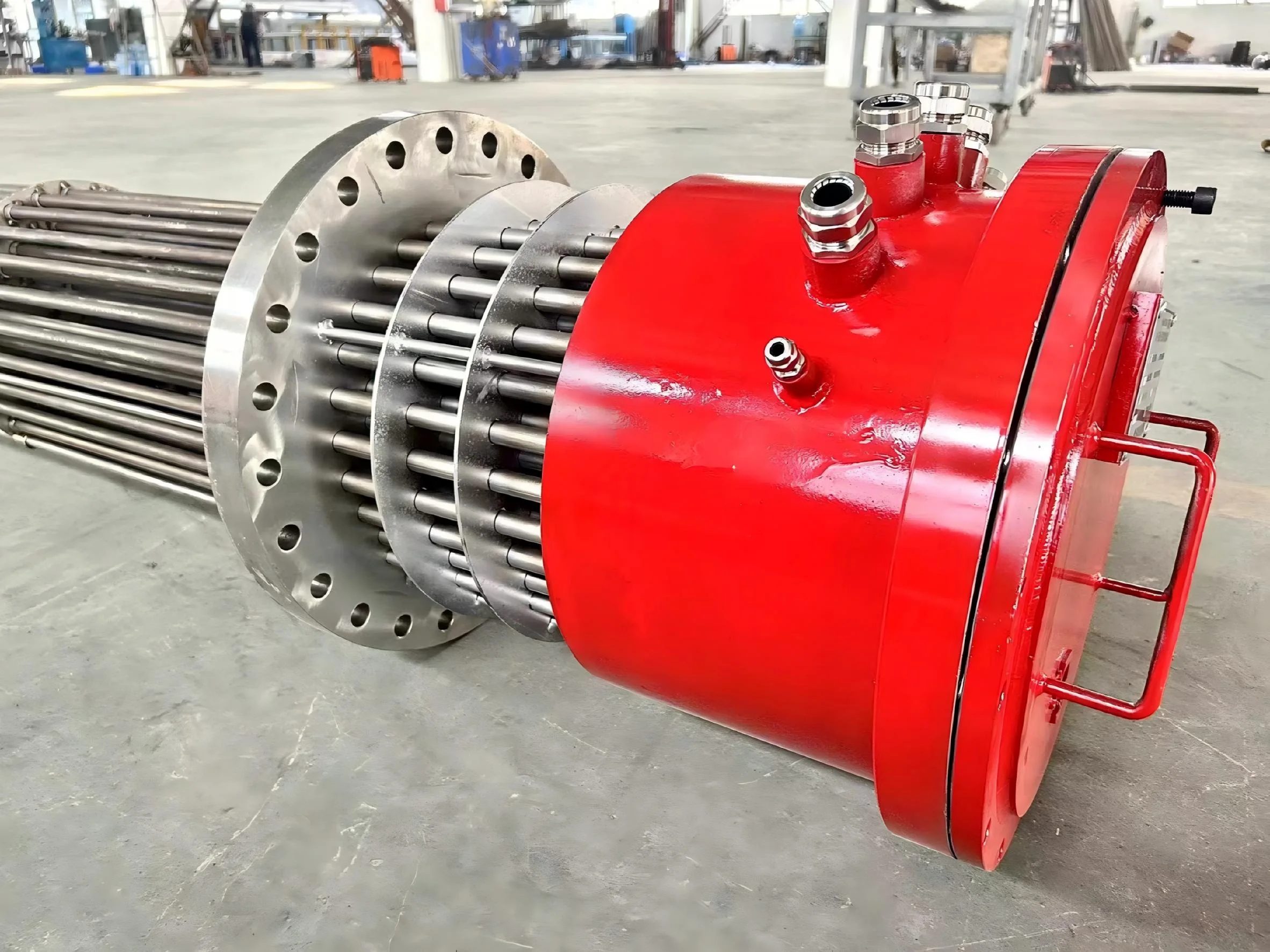
A typical inline unit includes a pressure-bearing shell, inlet and outlet, flanged heating element bundle, explosion-proof terminal box, insulation, temperature sensors and pressure connections. Tank duties can use a flanged immersion arrangement with low-level protection.
For liquid-heating applications, flow rate, viscosity, wetted materials, liquid level, dry-heating risk and element surface loading are treated as core design inputs.
For liquid service, explosion-proof selection must be reviewed together with medium composition, flash point, vapor generation, operating temperature, pressure, circulation, liquid level and element wetting. The hazardous-area configuration does not replace the required process interlocks and dry-heating protection.
Key Features
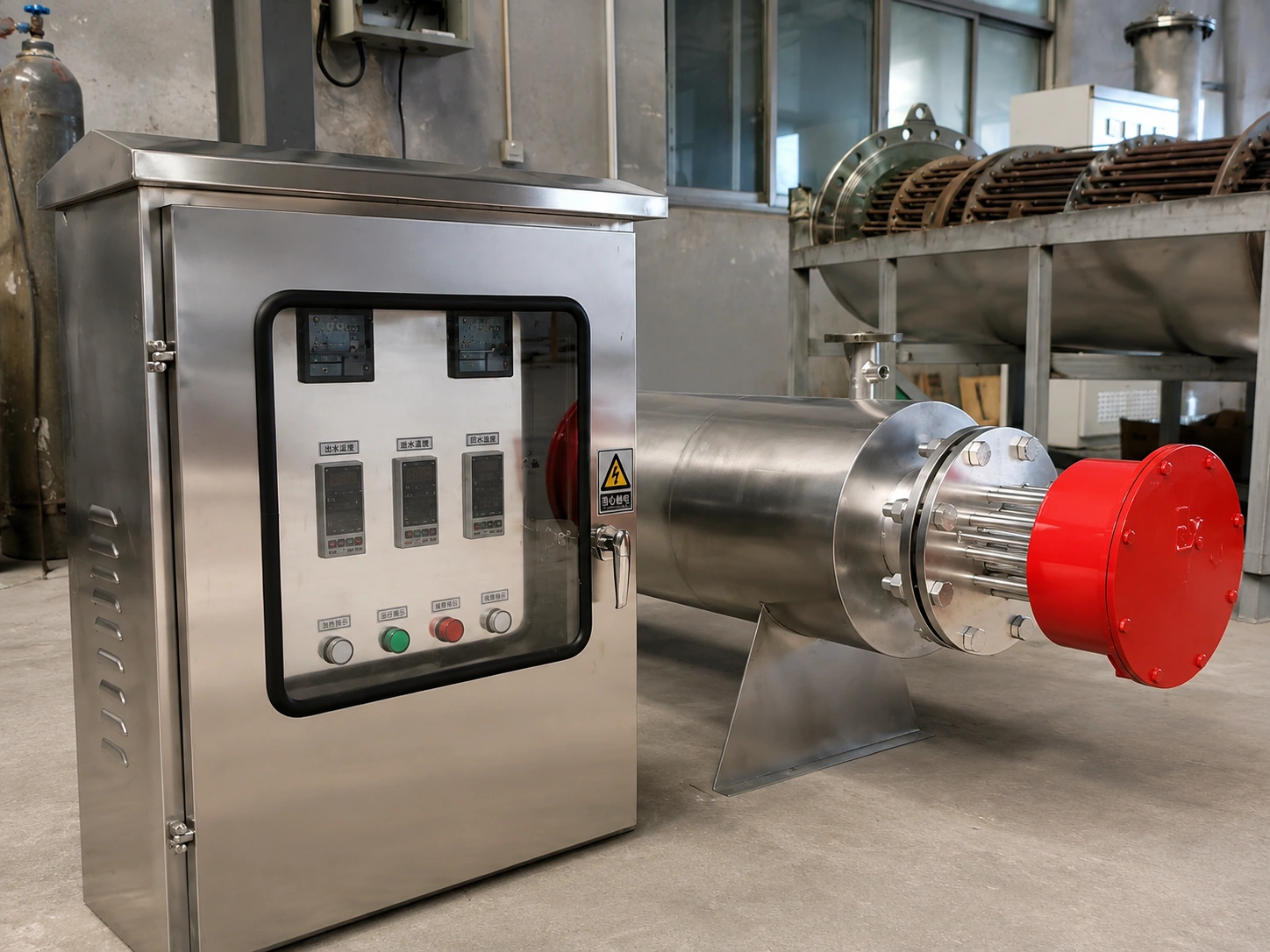
The Explosion-Proof Electric Liquid Heater can be engineered around the actual medium, duty, installation and control requirements of the project.
Explosion-Proof Certification
Relevant explosion-proof products have obtained Chinese explosion-proof certification Ex db IIC T1–T6 Gb.
Liquid-Specific Thermal Design
Heating capacity is selected from medium properties, flow, inlet temperature and target outlet temperature.
Liquid-Level and Flow Interlocks
Pump-running, minimum-flow, low-level and full-element-wetting signals can be included according to inline, circulation or immersion duty.
Controlled Watt Density
Element watt density can be adjusted for oil, viscous or heat-sensitive liquids.
Pressure-Bearing Construction
Shell, flange and connections are engineered for the required pressure and installation.
Integrated Control Options
PID, SCR, PLC, HMI and remote interfaces can be supplied with coordinated safety logic.
Typical Technical Parameters
The following parameters are for reference only. Final design is confirmed according to the operating medium, temperature, dimensions and project requirements.
| Parameter | Customizable Range or Options |
|---|---|
| Product Name | Explosion-Proof Electric Liquid Heater |
| Heating Medium | Water, thermal oil, hydraulic oil, crude oil, heavy oil, compatible chemical liquid or another process fluid after medium review |
| Heating Power | Custom engineered according to flow, heat capacity and temperature rise |
| Temperature Range | Customized according to medium and required temperature class |
| Working Pressure | According to pipeline, vessel or circulation-system design |
| Explosion-Proof Configuration | Explosion-proof terminal box, cable entries and matched electrical configuration; remote-mounted control cabinet or local explosion-proof control arrangement optional |
| Shell / Wetted Material | Carbon steel, SS304, SS316L or selected alloy according to liquid composition, temperature, pressure and corrosion conditions |
| Heating Element Sheath Material | SS304, SS316L, Incoloy 800/840, selected alloy or compatible coated sheath after material review |
| Installation | Inline circulation, tank immersion or skid-mounted package |
| Control Method | PID, SCR, staged control, PLC or DCS interface |
| Protection Options | Independent over-temperature cutoff, pump or minimum-flow interlock, low-level and dry-heating protection, pressure monitoring, ground-fault protection, protective grounding and emergency stop |
| Optional Design | Explosion-proof terminal box, remote cabinet, pump, valves and instruments |
| Certification | Relevant explosion-proof products have obtained Chinese explosion-proof certification Ex db IIC T1–T6 Gb. |
Structure, Materials, Control and Safety
Structure of the Heater
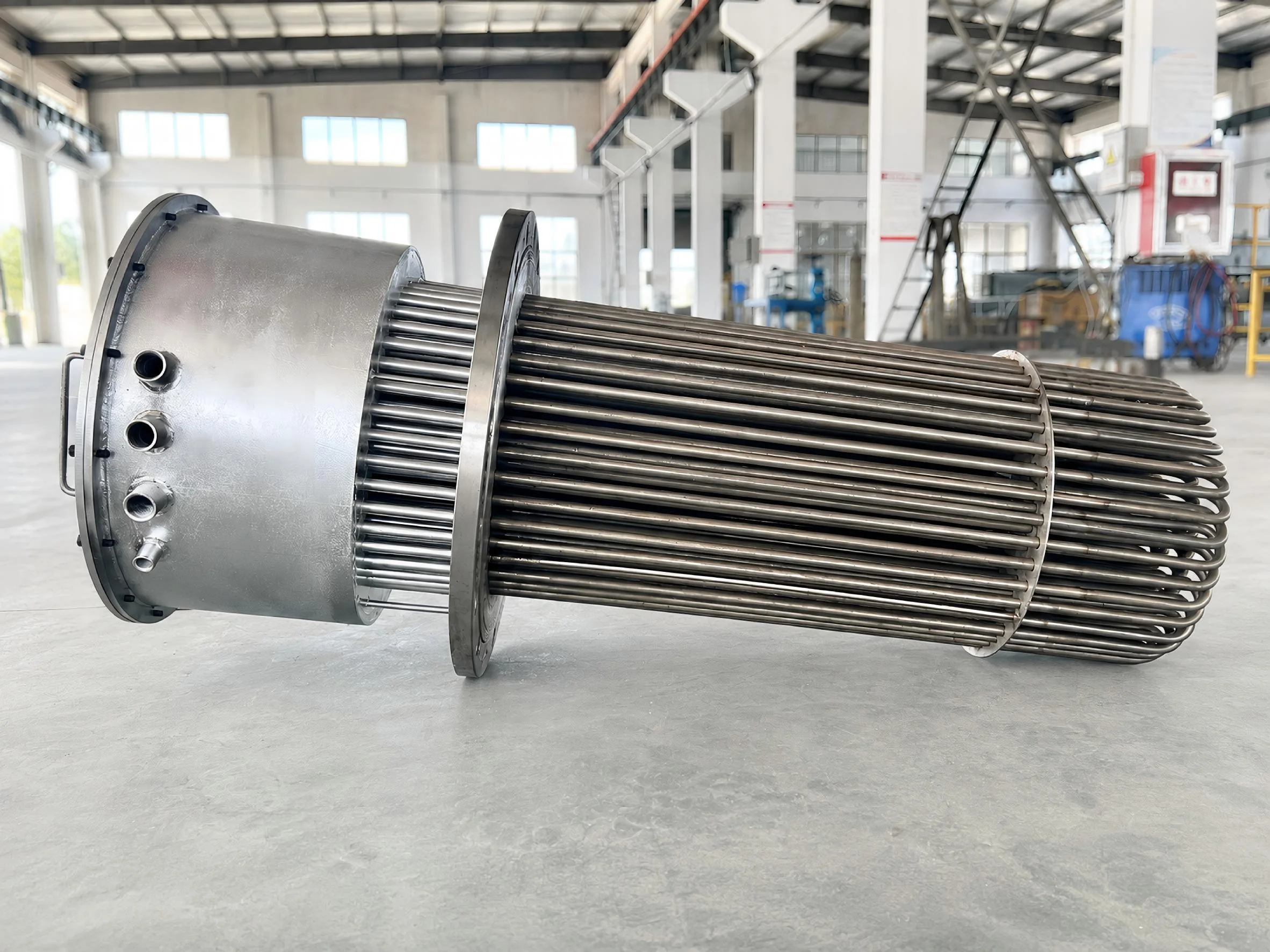
An inline heater normally uses a cylindrical pressure-bearing shell with inlet and outlet connections and a removable flanged element bundle. The terminal connections are enclosed in an explosion-proof terminal box.
A tank or vessel version can use an immersion bundle with compatible flange, immersion length and maintenance space. A package can include pump, valves, instruments, piping, control cabinet and skid frame.
The structure is selected to maintain liquid coverage, support venting and drainage, control velocity around the elements and allow safe element removal.
Materials and Customization
Shell, element sheath, flange, gasket and sensor materials are selected from liquid composition, viscosity, temperature, pressure and corrosion conditions. Stainless steels and selected alloys can be evaluated where suitable.
Element watt density is selected to reduce local overheating, oil degradation, crystallization or decomposition. The explosion-proof terminal enclosure and cable entries are selected separately from the wetted materials.
The heater can be customized in power, pressure rating, flange standard, connection, element length, installation direction, insulation and terminal-box orientation.

Control System
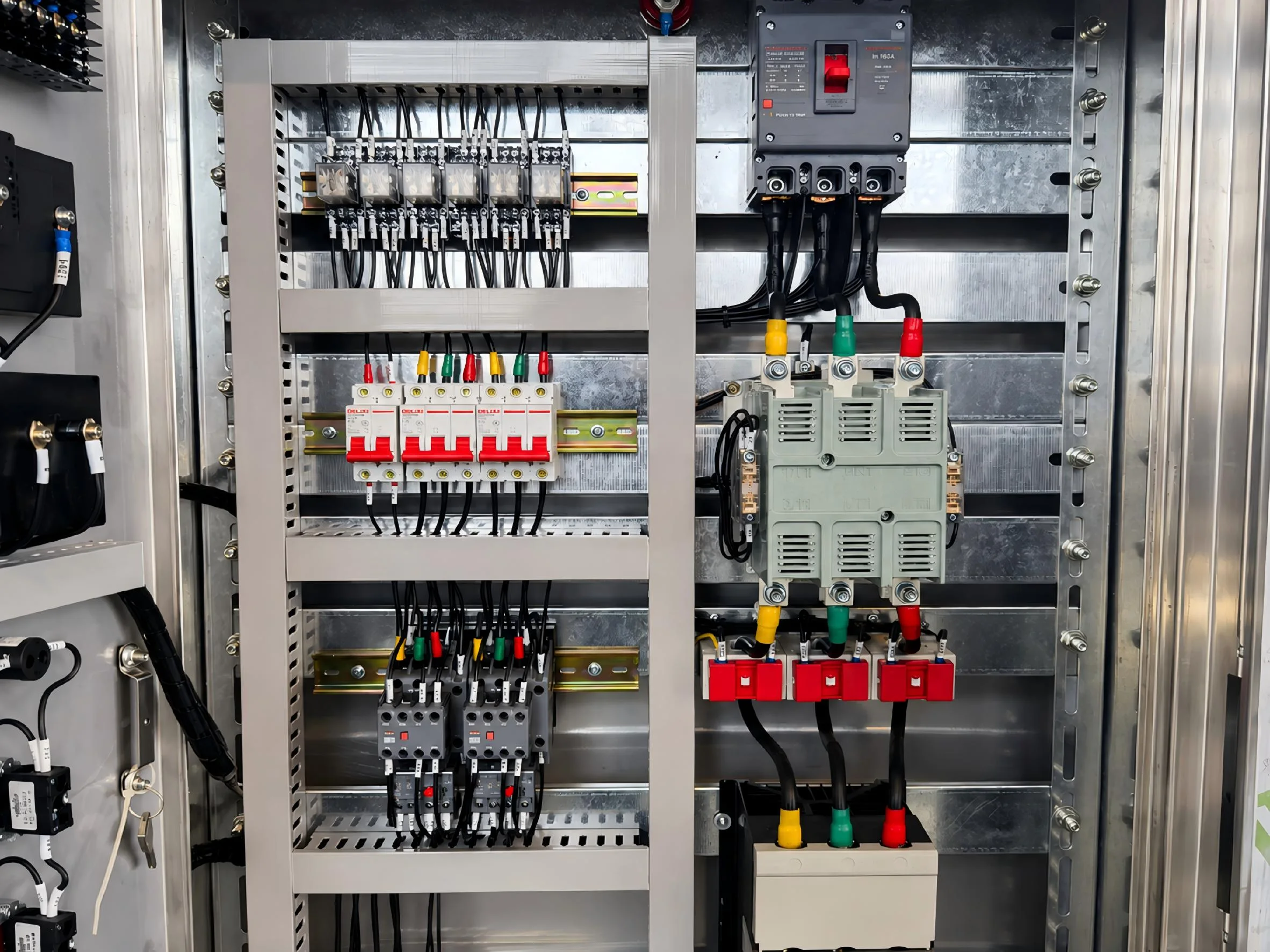
PID control, SCR regulation, staged power, PLC and HMI can be supplied through a control cabinet suitable for the project installation. Remote start/stop and status signals can connect to the customer’s DCS or PLC.
Outlet-liquid or vessel temperature is normally used for control. Inlet temperature, element sheath temperature, flow, level, pressure and pump status can be monitored.
Pump-running, confirmed-flow, low-level and full-element-wetting signals can be used as heater start permissives. The control sequence can start circulation before heating, apply power in stages and stop the heater immediately if flow, level, pressure or temperature leaves the permitted range.
Safety Protection
Typical protection can include an independent over-temperature cutoff, pump or minimum-flow interlock, low-level and dry-heating protection, pressure monitoring, ground-fault protection, protective grounding and emergency stop.
The heating elements must remain fully immersed or the required liquid circulation must be confirmed during operation. The heater must not be energized against a closed line, empty vessel or blocked flow path.
Relevant explosion-proof products have obtained Chinese explosion-proof certification Ex db IIC T1–T6 Gb. The final configuration, marking, terminal enclosure and cable entries are confirmed according to the project specification and hazardous-area requirements.
Typical Applications
Typical applications for the Explosion-Proof Electric Liquid Heater include the following hazardous-area oil, chemical and process-liquid heating duties. Final selection should be based on confirmed process and site data.
Oil and Gas Processing
Heating oil or compatible liquids in classified production and treatment areas.
Chemical Plants
Inline or vessel heating of compatible chemical process fluids.
Fuel and Heavy Oil Systems
Controlled heating and viscosity reduction in hazardous installations.
Solvent-Related Processes
Customized liquid heating after fluid hazard and material review.
Tank and Vessel Heating
Explosion-proof immersion heating with level and temperature protection.
Pipeline Circulation
Pressure-bearing inline heating with pump and flow interlocks.
Skid-Mounted Packages
Integration with pump, valves, instruments and control systems.
Outdoor Hazardous Areas
Customized equipment for demanding classified industrial environments.
How to Select the Right Explosion-Proof Electric Liquid Heater
Please provide the following information so Xiangyuan Machinery can select and design the Explosion-Proof Electric Liquid Heater for the actual operating conditions.
Medium Safety Data
Provide the liquid composition, SDS, flash point, boiling range, vapor generation, corrosion, viscosity and solids information where applicable.
Flow / Volume
State circulation flow or vessel working volume.
Inlet / Target Temperature
Provide start-up, normal and maximum temperatures.
Viscosity / Heat Sensitivity
Provide viscosity and local-overheating limitations.
Working Pressure
Provide operating/design pressure and allowable pressure drop.
Hazardous-Area Classification
State the zone, division or equivalent hazardous-area classification.
Gas Group
Provide required group and project standard.
Temperature Class
State T-class or maximum surface-temperature limit.
Wetted Materials
List mandatory or prohibited materials and seal requirements.
Installation
Define inline, immersion, orientation and maintenance clearance.
Control / Interlocks
Define flow, pump, level, PLC/DCS and alarm requirements.
Documentation
State certificate, drawing, inspection and test requirements.
Frequently Asked Questions
Common questions about Explosion-Proof Electric Liquid Heater selection, customization and industrial use.
What is an Explosion-Proof Electric Liquid Heater?
Can flammable liquids be heated?
What explosion-proof certification is available?
What prevents dry heating?
Related Heating Solutions
Related heating solutions: Explosion-Proof Electric Heater, Electric Inline Process Liquid Heater, Corrosive Chemical Liquid Heater.
Why Choose Xiangyuan Machinery
Xiangyuan Machinery designs and manufactures industrial electric heaters, heating elements and control systems for customized process conditions. The Explosion-Proof Electric Liquid Heater is engineered around the customer’s medium, thermal duty, installation limits and safety requirements.
Thermal & Material Engineering
Thermal design based on actual inlet conditions, target temperature and operating duty. Material selection matched to the medium, temperature, pressure and site environment.
Flexible Mechanical Arrangement
Flexible power, connection, installation and maintenance-access arrangements.
Control & Safety Integration
PID, SCR, staged control, PLC, HMI and remote interface options where required. Product-specific temperature, flow, pressure, level or electrical interlocks can be integrated.
Complete Project Supply
Supply scope can include the heater, control cabinet, instruments and related system components. Manufacturing inspection, electrical testing and technical documentation can be prepared according to project scope.
Tell Us Your Hazardous-Area Liquid Heating Conditions
Send the medium, flow rate, inlet and outlet temperatures, operating pressure, power supply, installation dimensions, control method and site requirements. Xiangyuan Machinery will prepare a suitable technical proposal and quotation.