

CUSTOM INDUSTRIAL PROCESS WATER HEATER
Electric Inline Water Heater
Custom inline electric heating equipment for industrial process water, circulation loops, cleaning systems and production equipment.
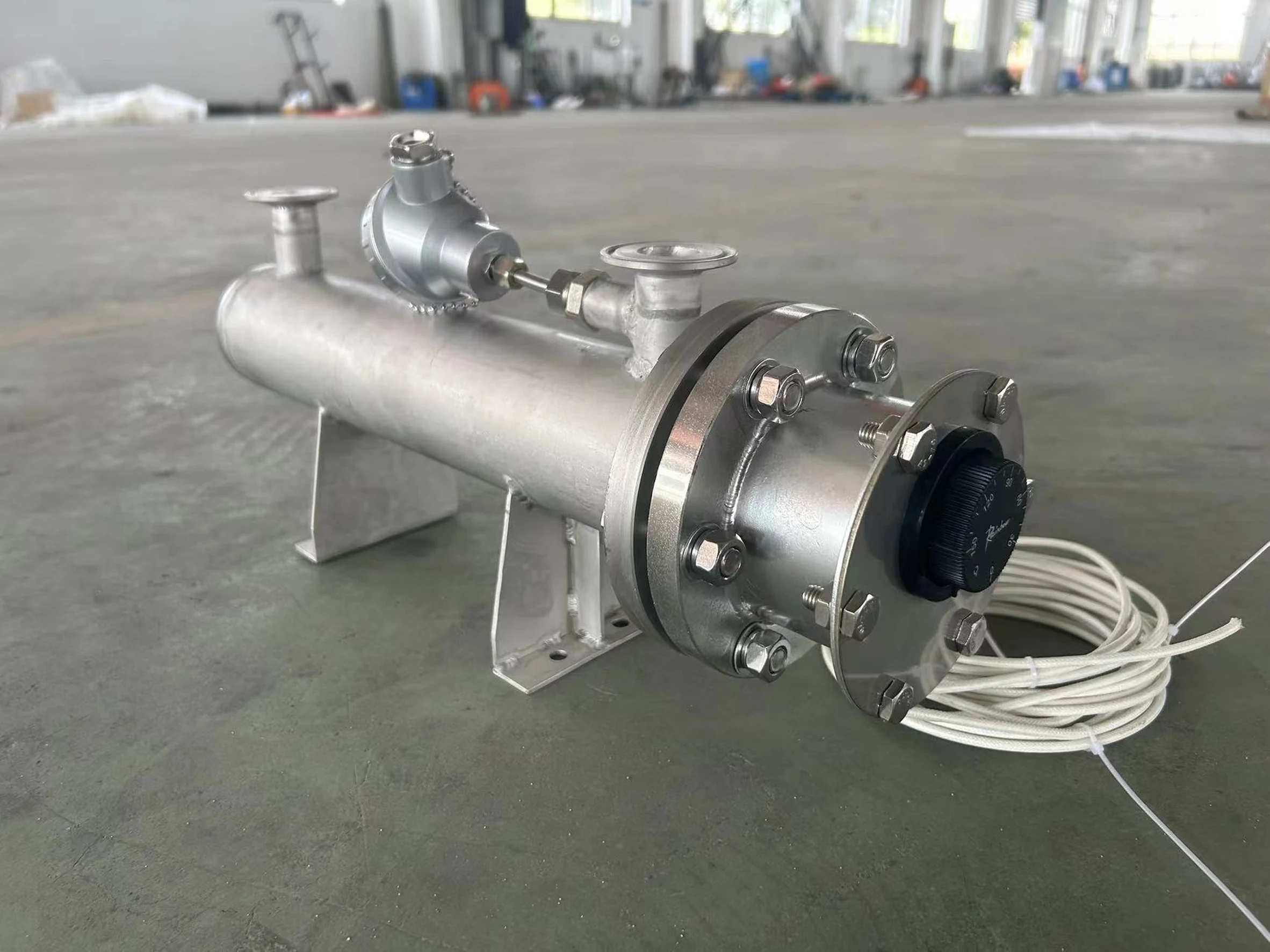
The Electric Inline Water Heater is an industrial electric heating unit designed to heat water while it flows through a closed pipeline or circulation loop. It is selected according to water flow, inlet temperature, required outlet temperature, working pressure, water quality and operating mode.
Heating power, shell material, element sheath, flange connection, control method and safety protection can be engineered according to the process. The heater can be supplied alone or with a control cabinet, pump, valves, instruments and system piping.
Product Overview
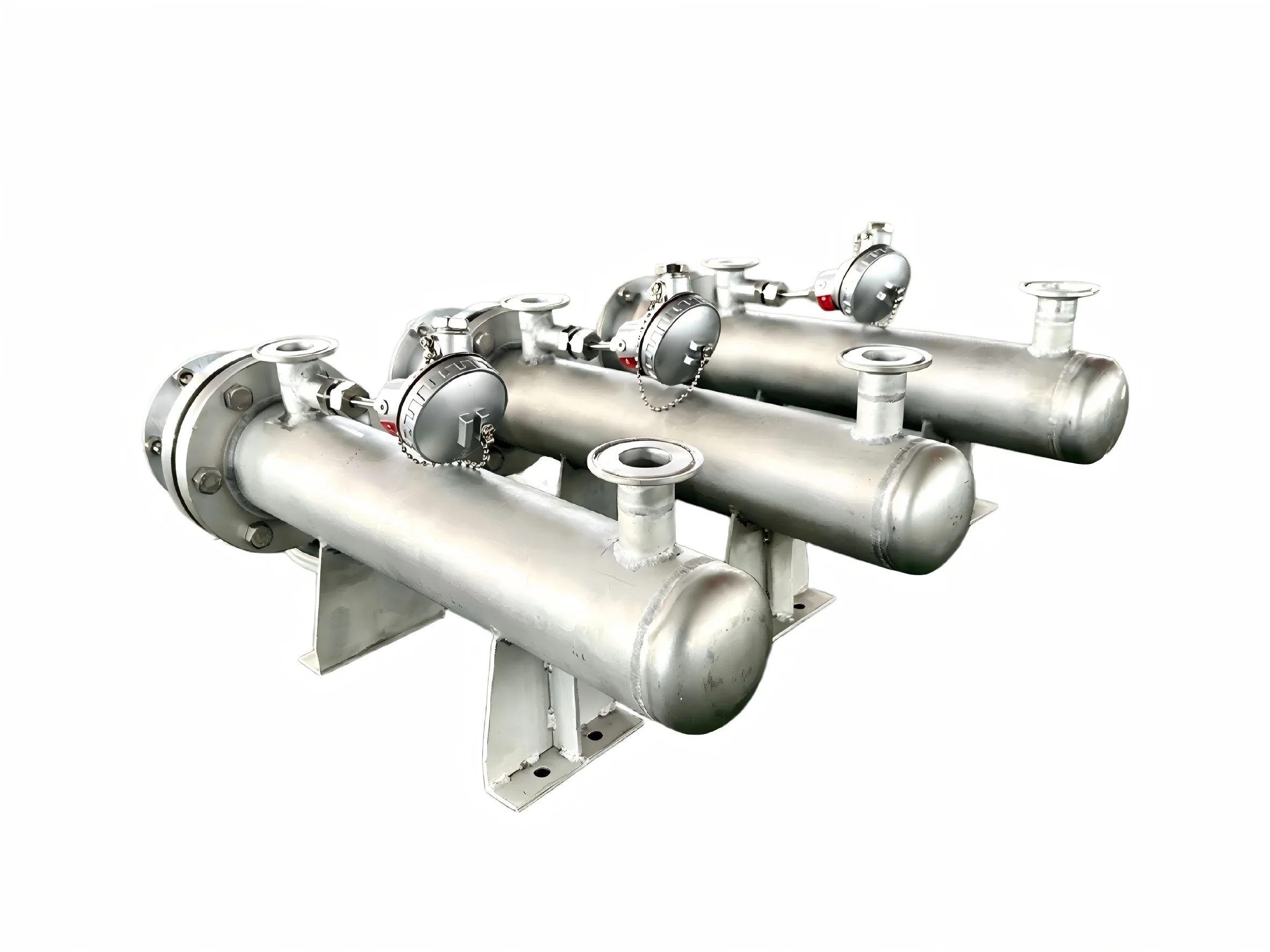
The Electric Inline Water Heater provides direct electric heating for industrial process water, circulating water, cleaning water and other compatible water services. It is normally installed in a pipeline where water flows continuously or intermittently through the heater body.
Compared with a general inline process liquid heater, a water-specific design requires closer review of chloride content, hardness, pH, solids, scaling tendency and minimum flow because these factors affect material selection, watt density and maintenance intervals.
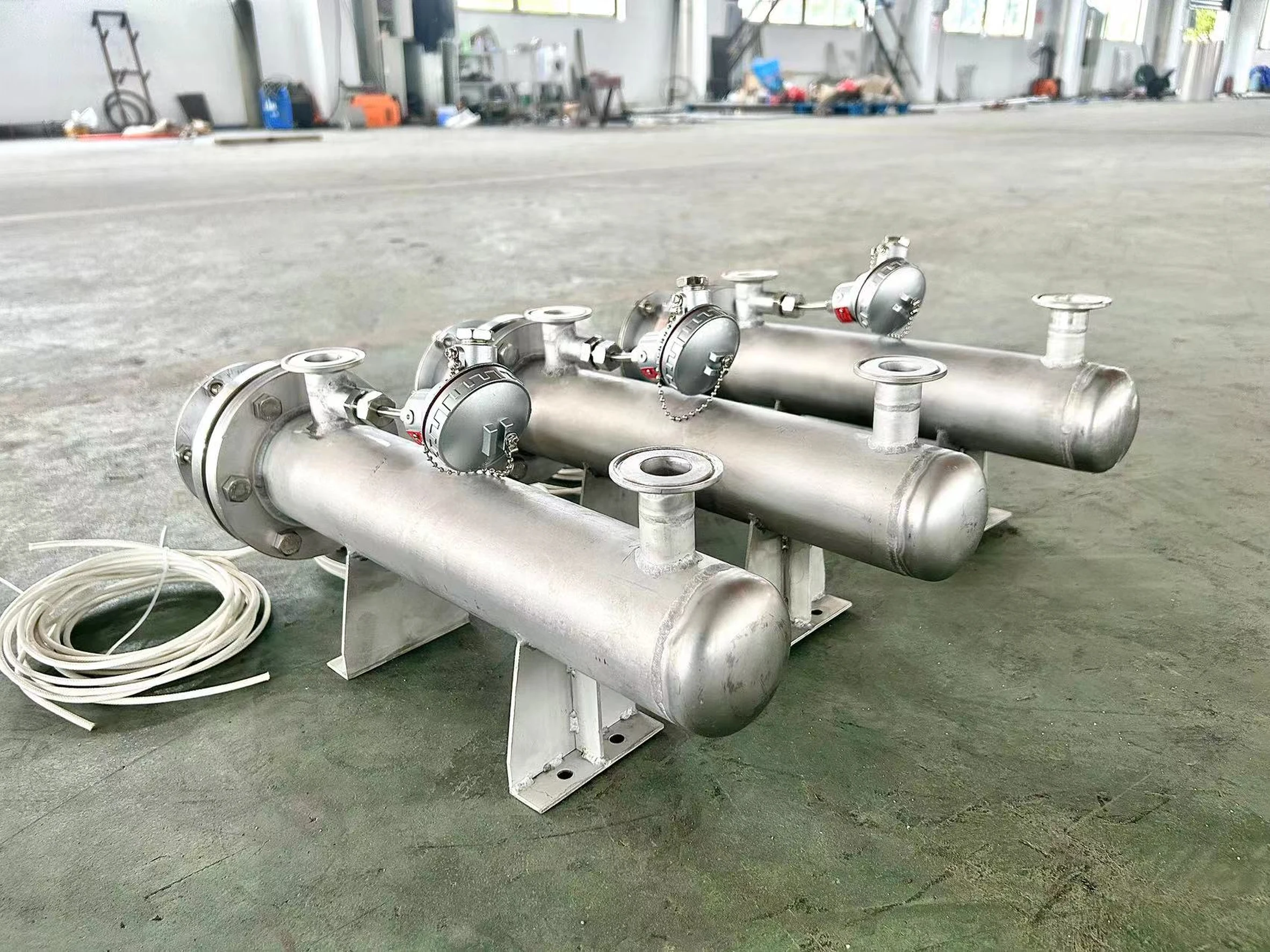
Xiangyuan Machinery can supply a standalone inline heater, a heater with control cabinet, or a complete process-water circulation package.
Key Features
Water-Specific Thermal Design
Heating duty is calculated from water flow, inlet temperature and target outlet temperature.
Inline Continuous Heating
Water is heated as it passes through the closed heater body.
Pressure-Bearing Construction
Shell, flanges and nozzles are designed for the stated water-system pressure.
Removable Flanged Bundle
The heating element bundle can be removed for inspection and descaling access.
Water-Quality Material Options
SS304, SS316L and selected alloys can be chosen according to water chemistry.
Controlled Watt Density
Element loading can be selected to reduce scaling and localized overheating.
Stable Temperature Control
PID, SCR or staged power control can regulate outlet-water temperature.
Low-Flow and Dry-Heating Protection
Flow and temperature interlocks can prevent operation without sufficient water.
Heater or Complete Loop
The supply can include only the heater or a pump, valves, controls and piping package.
Typical Technical Parameters
The following parameters are for reference only. Final design is confirmed according to water flow, inlet and outlet temperatures, pressure, water quality, installation conditions and project requirements.
| Parameter | Customizable Range or Options |
|---|---|
| Product Name | Electric Inline Water Heater |
| Heating Medium | Industrial process water, circulating water or compatible water service |
| Heating Power | Custom engineered according to flow rate and temperature rise; typical project range 2–2000 kW |
| Water Flow | Specified in m³/h, L/min or kg/h under the stated operating conditions |
| Inlet / Outlet Temperature | Customized according to process requirement |
| Working Pressure | According to operating and design pressure |
| Water Quality | Hardness, chloride, pH and solids to be confirmed |
| Installation | Horizontal, vertical or skid-integrated inline installation |
| Connection | Flanged or custom pipeline connection |
| Shell / Wetted Material | Carbon steel, SS304, SS316L or selected material |
| Heating Element Material | SS304, SS316L, Incoloy 800, Incoloy 840 or selected alloy |
| Control Method | PID, SCR, staged control or PLC |
| Power Supply | 380–415 V, three-phase, 50/60 Hz, or project-specific |
| Protection Options | Over-temperature protection, minimum-flow interlock, dry-heating prevention, pressure monitoring, phase-loss and phase-sequence protection, ground-fault protection, protective grounding and emergency stop |
| Optional Supply | Pump, control cabinet, valves, instruments, piping, insulation and skid frame |
Structure, Materials, Control and Safety
Structure of the Heater
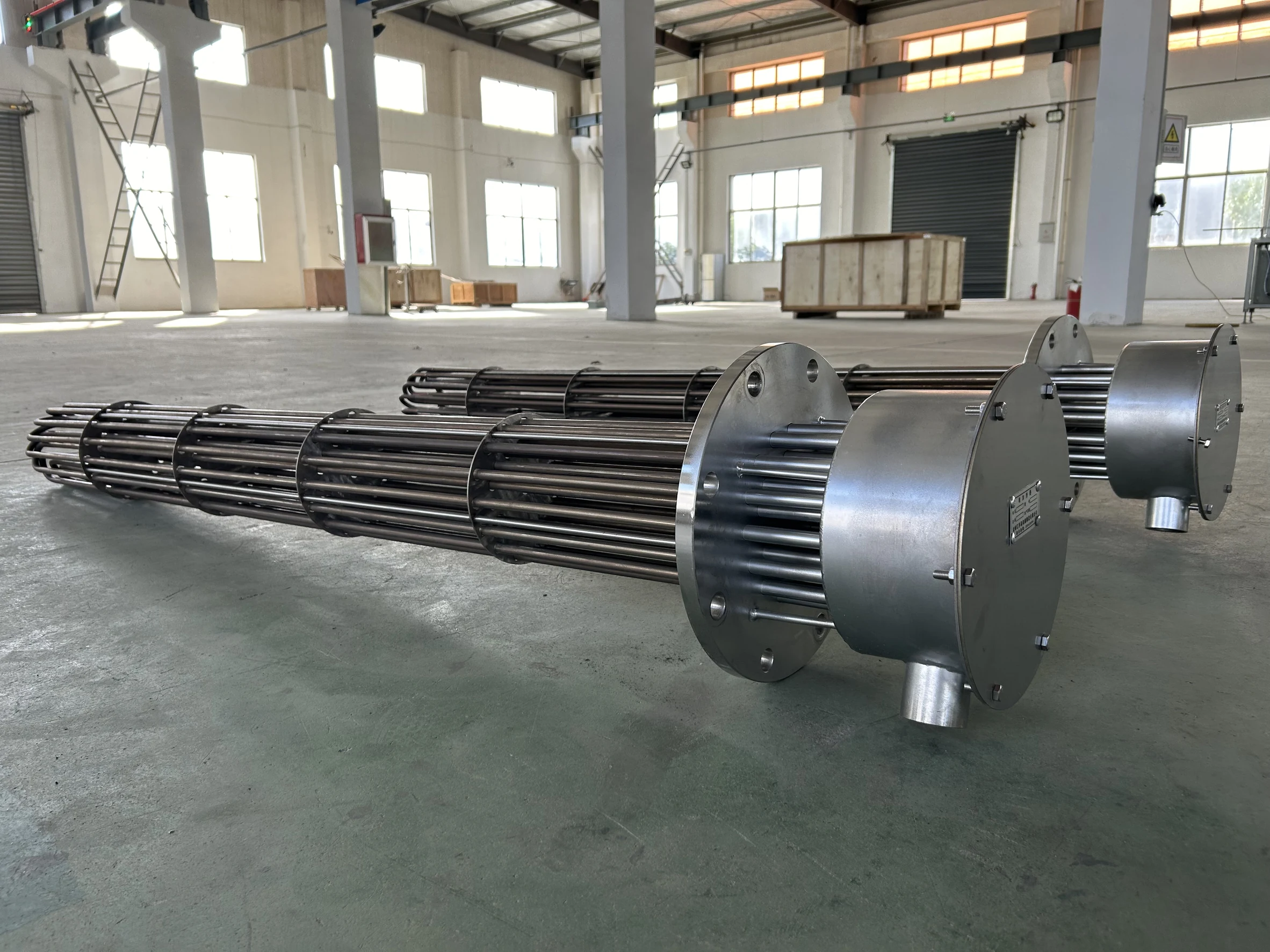
The heater normally consists of a cylindrical pressure-bearing shell with water inlet and outlet nozzles, a removable flanged heating element bundle and an external terminal box. Internal flow distribution is arranged to promote heat transfer and avoid stagnant zones.
Outlet temperature sensors are normally included. Inlet, element-sheath, flow or pressure instruments can be added according to the control and safety strategy. Drain, vent and maintenance connections can be provided where required.
For circulation systems, the heater can be assembled with a pump, strainer, valves, instruments, control cabinet, piping and skid frame.
Materials and Customization
Material selection depends on water chemistry, chloride level, hardness, pH, solids and operating temperature. Carbon steel can be used for some closed industrial loops, while SS304 or SS316L may be selected for improved corrosion resistance.
Element sheath material and watt density should be selected to limit scaling and localized surface temperature. Incoloy materials can be considered for demanding water chemistry or higher surface-temperature conditions after review.
Flange standard, shell diameter, element bundle, immersion length, terminal-box orientation, insulation and installation direction can be customized.

Control System
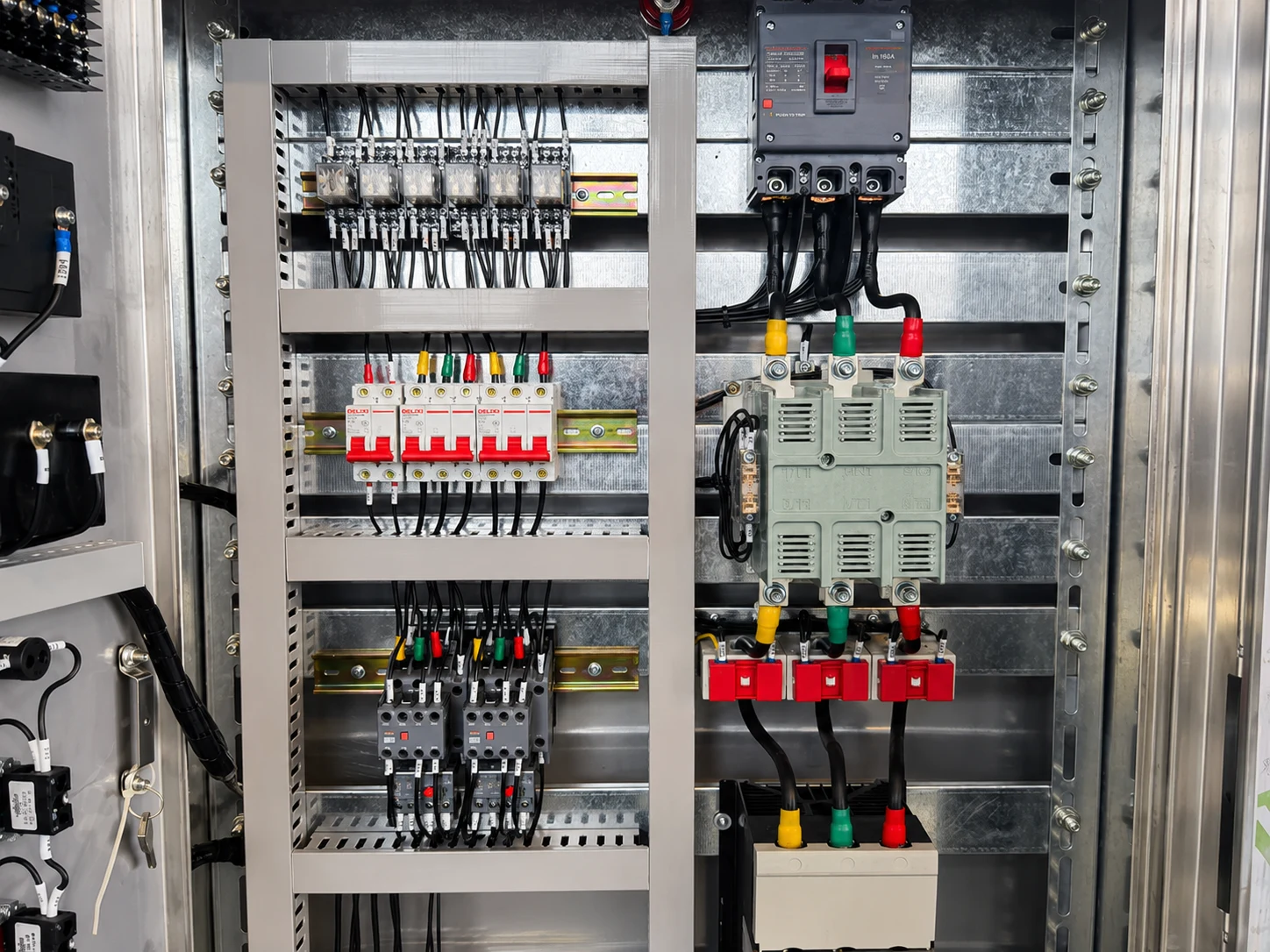
Outlet-water temperature can be controlled by PID with SCR regulation or staged power control. The heater can operate from a local control cabinet or receive commands from the customer’s PLC or DCS.
Flow-switch or pump-running signals can be used as heater permissives. The control scheme can include inlet and outlet temperature display, alarm output, remote start/stop and operating-status feedback.
For circulation loops, the pump can start before heater energization and continue during a controlled cooldown or after-trip sequence where required.
Safety Protection
Typical protection includes independent over-temperature cutout, minimum-flow interlock, dry-heating prevention, pressure monitoring, ground-fault protection, protective grounding and emergency stop.
The heater should not energize without confirmed water flow and sufficient filling. Venting and air removal are important during initial filling to avoid exposed hot surfaces.
System pressure relief and expansion management should be coordinated with the overall water loop. For hazardous-area projects, explosion-proof terminal-box and heater configurations can be evaluated according to the confirmed site classification. Certification requirements for the destination market should be confirmed before quotation and final design.
Typical Applications
Process Water Heating
Raising water temperature for industrial production steps.
Circulation Loops
Maintaining controlled temperature in closed water circuits.
Cleaning Systems
Heating water for industrial washing and cleaning equipment.
Rinse Water
Supplying heated rinse water for production lines.
Equipment Preheating
Circulating warm water through machinery or process jackets.
Wastewater Conditioning
Heating relatively clean or pretreated water streams before treatment or reaction, after solids and water chemistry are confirmed.
Laboratory and Pilot Plants
Controlled inline water heating for test systems.
Food and Beverage Equipment
Process-water heating where hygienic material and fabrication requirements are separately confirmed.
Chemical Production
Heating utility or process water used in compatible chemical systems.
Marine and Offshore Utilities
Heating fresh or technical water in industrial marine systems.
Low-Temperature Startup
Warming water circuits and equipment during cold startup.
Skid-Mounted Water Systems
Combining heater, pump, controls and piping on a modular skid.
How to Select the Right Electric Inline Water Heater
1. Water Flow
Provide minimum, normal and maximum flow.
2. Inlet Temperature
State minimum, normal and maximum inlet temperature.
3. Required Outlet Temperature
Provide target and allowable tolerance.
4. Operating and Design Pressure
State normal, maximum and design pressure.
5. Water Quality
Provide hardness, chloride, pH, solids and additives.
6. Operating Mode
Confirm continuous, batch, cyclic or variable-flow operation.
7. Allowable Pressure Drop
State the maximum permitted pressure loss.
8. Power Supply
Provide voltage, phase and frequency.
9. Connection Standard
Provide flange size, class and facing.
10. Installation Layout
Confirm direction, space, drain and vent requirements.
11. Material Requirement
State corrosion, hygiene or cleaning requirements.
12. Control Method
Confirm PID, SCR, staged control, PLC or DCS.
13. Pump and Flow Signals
Provide pump status and low-flow interlock requirements.
14. Safety Requirements
Confirm over-temperature, pressure and emergency-stop logic.
15. Supply Scope
Confirm heater only or complete circulation package.
Frequently Asked Questions
Common questions about Electric Inline Water Heater selection, customization and industrial use.
What is an Electric Inline Water Heater?
Is it a domestic hot-water heater?
What water-quality information is required?
Can it be supplied with a pump and control cabinet?
What safety protection is normally included?
Related Heating Solutions
For water, oil and other process liquids in one general platform, see Electric Inline Process Liquid Heater. For direct heating inside a vessel, see Electric Tank Heater. For a replaceable flanged heating bundle, see Flanged Immersion Heater.
Why Choose Xiangyuan Machinery
Xiangyuan Machinery designs industrial inline water heaters around flow, temperature rise, pressure, water quality and control requirements.
Thermal & Material Engineering
Thermal duty, watt density and wetted materials are selected according to water flow, temperature rise and water chemistry.
Flexible Mechanical Arrangement
Horizontal or vertical installation, flange connections, removable bundles, insulation and maintenance access can be customized.
Control & Safety Integration
PID, SCR, staged control, PLC and remote interfaces. Low-flow and dry-heating protection logic.
Complete Project Supply
Heater-only or complete pump-and-piping package. Inspection, electrical testing and project documentation according to scope.
Send Us Your Process-Water Conditions
Provide water flow, inlet and outlet temperatures, pressure, water quality, voltage, connection and control requirements. Xiangyuan Machinery will prepare a technical proposal and quotation.