

CUSTOM ELECTRIC CRUDE OIL HEATER
Electric Crude Oil Heater
Custom electric heating equipment for crude-oil pipelines, circulation loops, gathering stations, transfer and viscosity reduction.
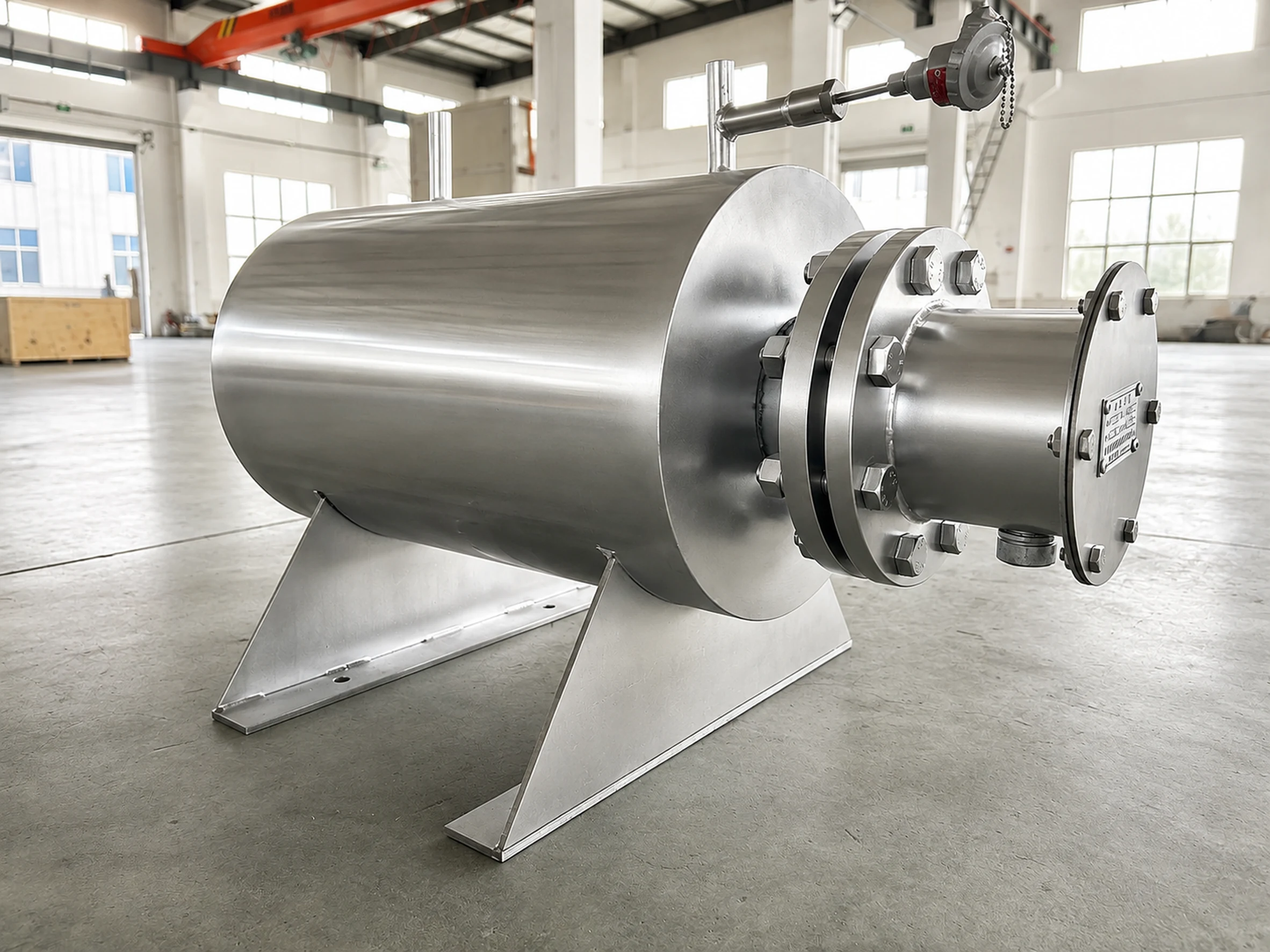
The Electric Crude Oil Heater is an industrial electric heating unit designed to raise crude-oil temperature for pipeline transfer, circulation, separation, storage handling and other oilfield processes. It is selected according to oil composition, viscosity curve, flow, inlet and target temperatures, pressure and operating mode.
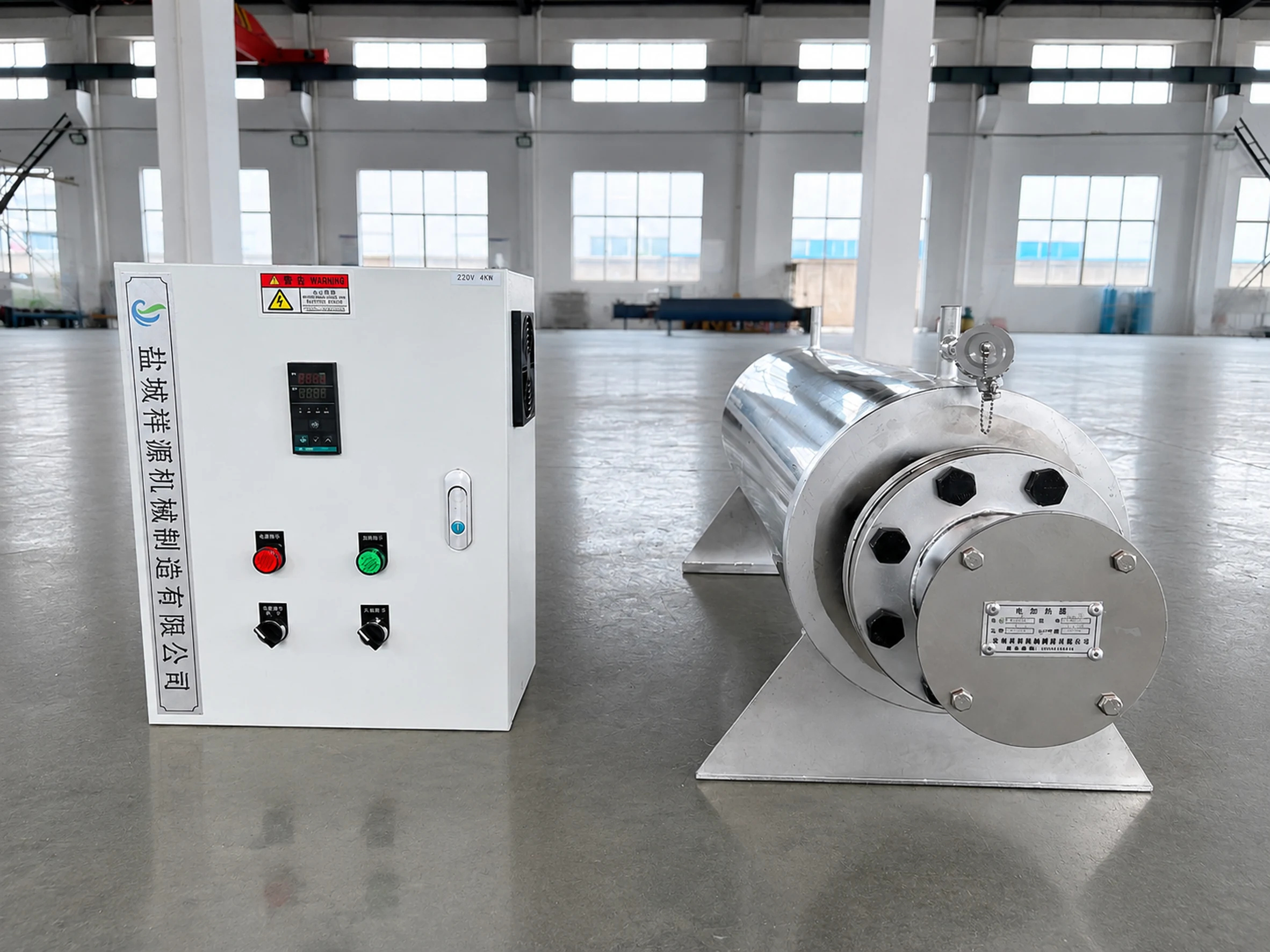
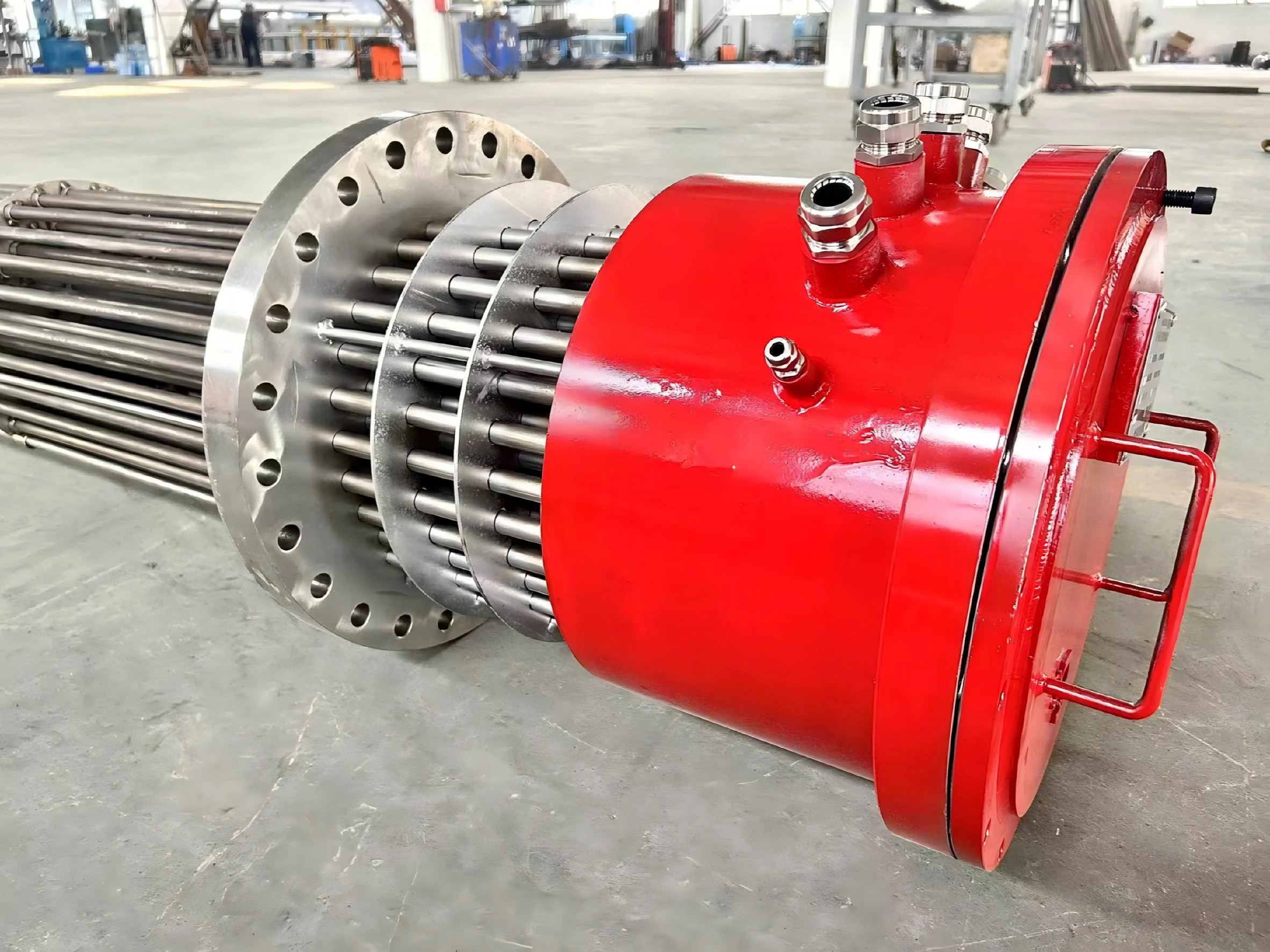
Heating power, shell and element materials, watt density, connection standard, control method and safety protection can be engineered for the process. The heater can be supplied alone or as part of a skid-mounted package with pumps, valves, instruments, piping and control cabinet.
Product Overview
The Electric Crude Oil Heater provides direct inline heating for crude oil before transfer, separation, metering or another process step. Heating can reduce viscosity and improve pumpability when the selected temperature and residence time are suitable for the specific crude oil.
A typical unit includes a pressure-bearing shell, inlet and outlet nozzles, removable flanged heating element bundle, terminal box, insulation, temperature sensors and supports. Optional scope can include a circulation pump, strainer, valves, pressure and flow instruments, control cabinet and skid frame.
Crude oil can contain water, sediment, sulfur compounds and other components that affect corrosion, fouling and surface loading. The design therefore requires crude-oil properties and operating data rather than only nominal pipe size or power.
This page covers the heater itself or a compact package. For a broader wellhead, gathering-station or multi-equipment solution, see Oilfield Electric Heating System.
Key Features
Crude-Oil Duty Calculation
Heating power is calculated from flow, density, specific heat capacity, inlet temperature and required outlet temperature, while viscosity is considered in the hydraulic and circulation design.
Low Watt-Density Options
Element surface loading can be reduced to limit localized overheating and fouling.
Pressure-Bearing Inline Body
Shell, nozzles and flanges are engineered for the pipeline pressure.
Removable Heating Bundle
Flanged bundles support inspection, cleaning and maintenance.
Viscosity-Oriented Selection
The design considers the oil viscosity curve and transfer requirements.
Material Compatibility
Carbon steel, stainless steel and alloy options are selected from crude composition.
Stable Temperature Control
PID, SCR or staged control can regulate outlet-oil temperature.
Flow, Pump and Temperature Interlocks
Heater operation can be linked to flow, pump status and temperature limits.
Skid Package Available
Pumps, valves, instruments, piping and controls can be factory assembled.
Typical Technical Parameters
The following parameters are for reference only. Final design is confirmed according to crude-oil composition, flow, viscosity, inlet and outlet temperatures, operating and design pressure, fouling tendency and project requirements.
| Parameter | Customizable Range or Options |
|---|---|
| Product Name | Electric Crude Oil Heater |
| Heating Medium | Crude oil; composition, water and solids to be confirmed |
| Heating Power | Typically 2 kW to 2000 kW, or custom |
| Oil Flow | Specified in m³/h, kg/h or other process units |
| Inlet / Outlet Temperature | Customized according to viscosity and process requirements |
| Working Pressure | According to pipeline operating and design pressure |
| Viscosity / Density | Required at inlet and target temperatures |
| Installation | Horizontal, vertical or skid-integrated inline installation |
| Connection | Flanged or custom pipeline connection |
| Shell Material | Carbon steel, SS304, SS316L or selected material |
| Heating Element Material | SS304, SS316L, Incoloy 800, Incoloy 840 or selected alloy |
| Watt Density | Selected according to crude-oil properties and fouling risk |
| Control Method | PID, SCR, staged control or PLC |
| Power Supply | 380–415 V, three-phase, 50/60 Hz, or customized according to project requirements |
| Protection Options | Over-temperature protection, minimum-flow interlock, pump-running permissive, pressure monitoring, phase-loss and phase-sequence protection, earth-leakage protection, grounding and emergency stop |
| Optional Supply | Pump, valves, instruments, control cabinet, piping, insulation and skid frame |
Structure, Materials, Control and Safety
Structure of the Heater
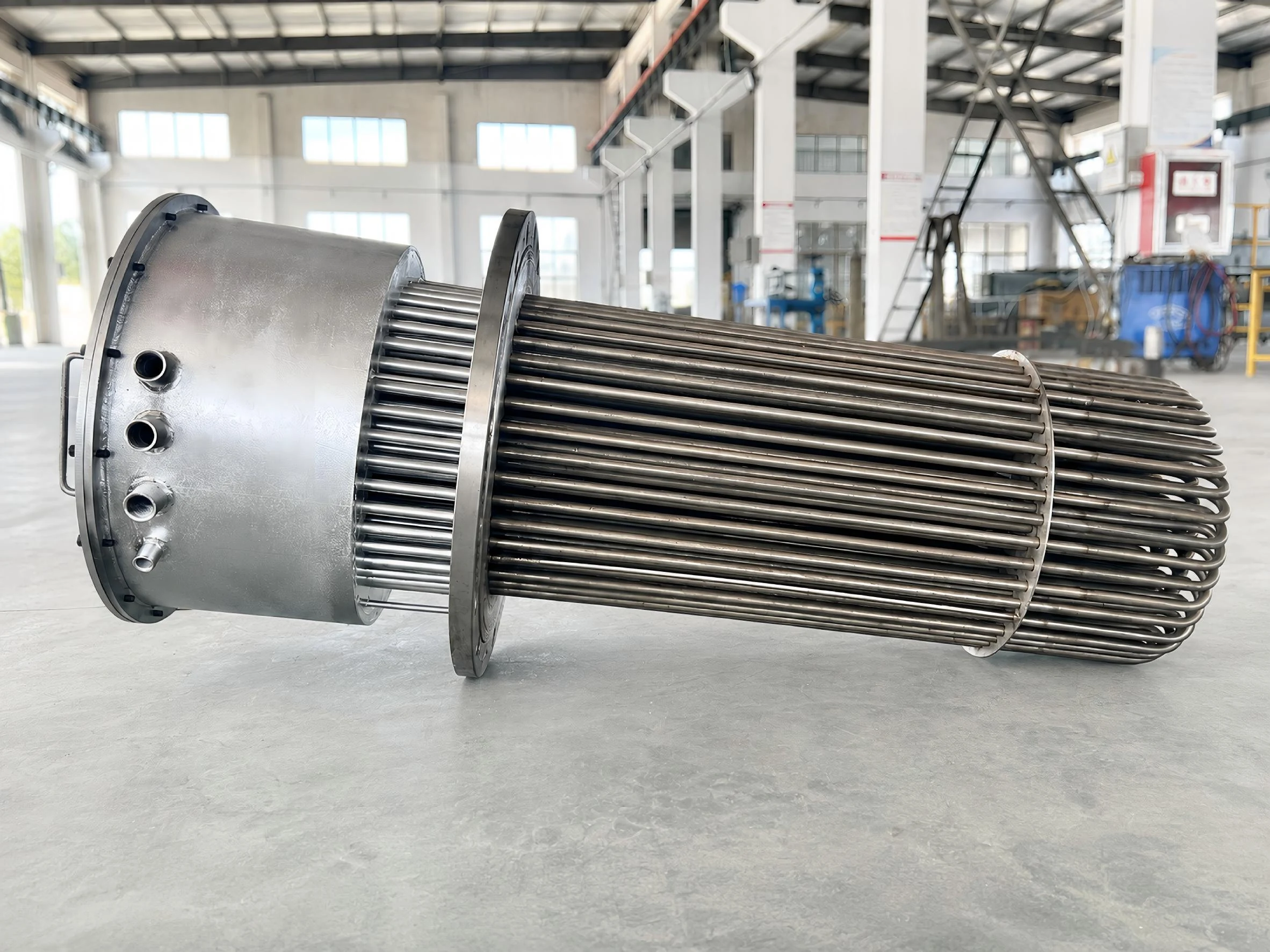
The heater normally consists of a pressure-bearing shell with crude-oil inlet and outlet nozzles, a removable flanged heating element bundle and a terminal box. Internal flow distribution is selected to avoid excessive velocity differences and stagnant zones.
Temperature sensors can be installed at the inlet, outlet and element area. Pressure, flow and differential-pressure instruments can be included. Drain, vent, cleaning and removable-bundle clearance are considered in the final layout.
A packaged unit can integrate the heater with a circulation or transfer pump, strainer, valves, instruments, control cabinet, piping and skid frame.
Materials and Customization
Material selection depends on crude-oil composition, sulfur, chlorides, water, solids, pressure and temperature. Carbon steel is commonly evaluated for the shell, while SS304, SS316L or selected alloys can be used where corrosion or cleanliness requirements justify them.
Element sheath material and watt density are selected to control surface temperature and fouling. Incoloy materials can be considered for demanding conditions after the process data are reviewed.
The heater can be customized in shell size, flange rating, element arrangement, insulation, terminal-box direction, mounting orientation and maintenance access.

Control System
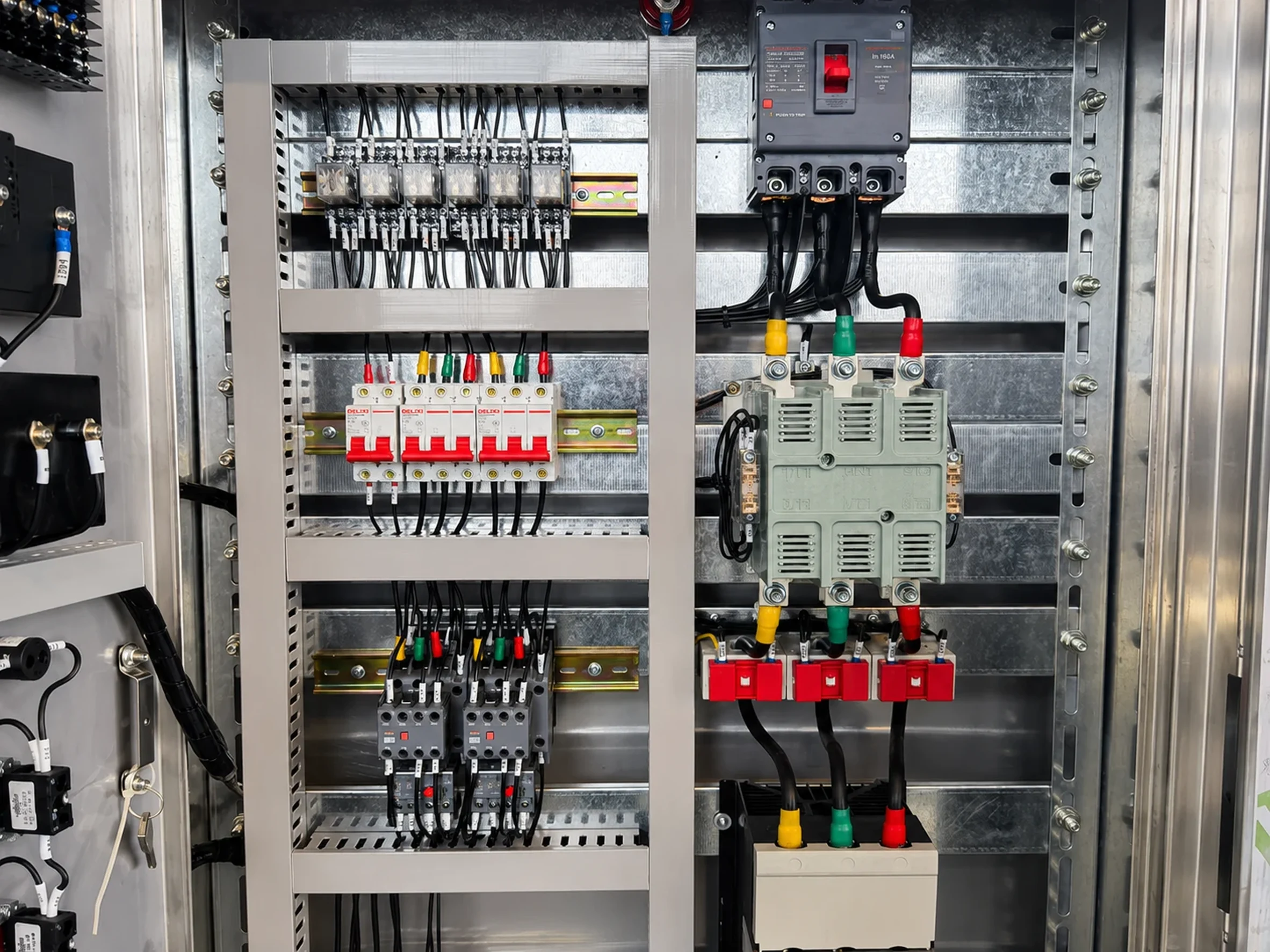
Outlet oil temperature is normally controlled using PID and SCR regulation or staged power control.The system can also monitor inlet temperature, element-sheath temperature, flow and pressure.
The heater can be operated from a local cabinet or integrated with a PLC or DCS. Pump status, valve permissive, low-flow trip, alarm output and remote start/stop can be included.
For variable flow or high-viscosity startup, the control sequence can limit initial power and increase output after confirmed circulation.
Safety Protection
Typical protection includes an independent over-temperature cutout, minimum-flow interlock, pump-running permissive, pressure monitoring, phase-loss and phase-sequence protection, earth-leakage protection, grounding and emergency stop.
Element-sheath temperature monitoring and controlled watt density can be used to reduce localized overheating. The heater should not energize without confirmed oil circulation or sufficient filling.
For hazardous-area projects, explosion-proof terminal-box and heater configurations can be evaluated according to the confirmed site classification and temperature class. Certification requirements for the destination market should be confirmed before quotation and final design.
Typical Applications
Wellhead Crude-Oil Heating
Heating produced crude oil before gathering or transfer.
Gathering Stations
Conditioning crude oil before separation, metering or downstream transport.
Pipeline Transfer
Reducing viscosity to support pipeline movement and pumpability.
Separator Feed Heating
Raising feed temperature before compatible separation processes.
Storage-Tank Circulation
Heating crude oil in an external circulation loop.
Truck and Rail Loading
Conditioning crude oil before loading or unloading operations.
Metering and Sampling
Maintaining suitable temperature before selected measurement systems.
Cold-Weather Startup
Warming crude-oil lines and equipment during low-temperature startup.
Pilot and Test Systems
Controlled crude-oil heating for process development and testing.
Oilfield Skid Packages
Combining heater, pump, valves and controls on a skid.
Refinery Feed Conditioning
Preheating compatible crude streams before selected process sections.
Temporary Process Heating
Providing modular electric heating during commissioning or maintenance.
How to Select the Right Electric Crude Oil Heater
1. Oil Composition
Provide crude type, water, sediment, sulfur and corrosive components.
2. Flow Rate
Provide the minimum, normal and maximum crude-oil flow, including the unit and corresponding operating temperature.
3. Viscosity and Density
Provide values at inlet and target temperatures.
4. Inlet Temperature
State minimum, normal and maximum inlet temperature.
5. Required Outlet Temperature
Provide target and allowable tolerance.
6. Operating and Design Pressure
State normal, maximum and design pressure.
7. Operating Mode
Confirm continuous, circulation, batch or startup duty.
8. Fouling Tendency
Describe solids, wax, asphaltene or coking concerns.
9. Power Supply
Provide voltage, phase and frequency.
10. Connection Standard
Provide flange size, class and facing.
11. Installation Layout
Confirm direction, space, drain and maintenance clearance.
12. Material Requirement
State corrosion and alloy requirements.
13. Control Method
Confirm PID, SCR, PLC, HMI or DCS interface.
14. Safety Interlocks
List pump, flow, pressure and temperature signals.
15. Site Classification
Provide ambient, IP and hazardous-area data.
Frequently Asked Questions
Common questions about Electric Crude Oil Heater selection, customization and industrial use.
What is an Electric Crude Oil Heater?
Can heating reduce crude-oil viscosity?
What information is needed for selection?
Can it be supplied as a skid package?
Can an explosion-proof design be provided?
Related Heating Solutions
For a broader oilfield process package, see Oilfield Electric Heating System. For factory-assembled modular equipment, see Skid-Mounted Electric Heating System. For higher-viscosity fuel and residual oils, see Electric Heavy Oil Heater.
Why Choose Xiangyuan Machinery
Xiangyuan Machinery designs crude-oil heaters around viscosity, flow, temperature rise, pressure, fouling risk and oilfield installation conditions.
Thermal & Material Engineering
Crude-oil thermal design using flow and viscosity data. Low watt-density and removable-bundle options.
Flexible Mechanical Arrangement
Pressure-bearing inline construction for pipelines and circulation loops.
Control & Safety Integration
Material options according to crude composition. PID, SCR, PLC and remote control interfaces.
Complete Project Supply
Pump, flow, pressure and temperature interlocks. Standalone heater or skid-mounted package.
Send Us Your Crude-Oil Process Data
Provide crude composition, flow, viscosity, inlet and outlet temperatures, pressure, power supply, connection and site classification. Xiangyuan Machinery will prepare a technical proposal and quotation.